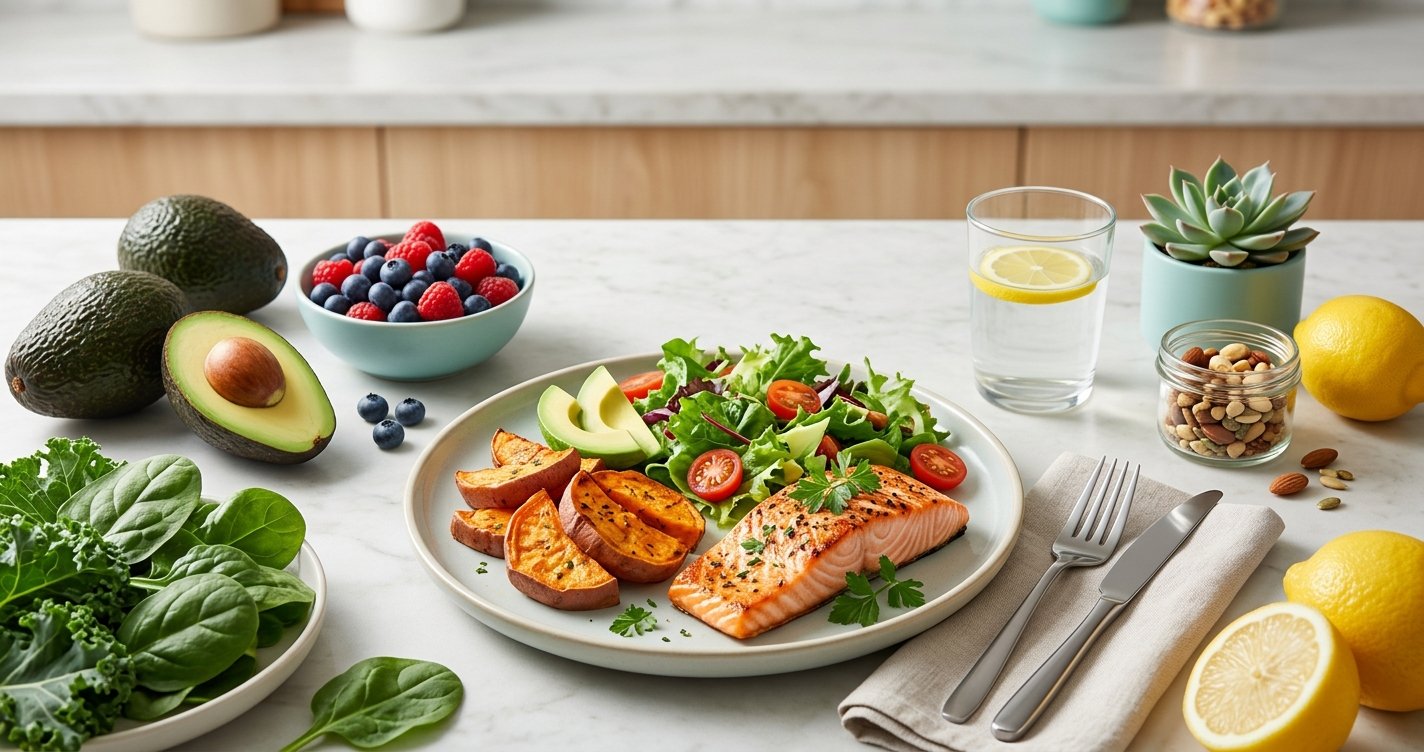
Unlock Sustainable Fat Loss: Easy Nutrition Strategies for Lasting Results
Are you tired of the endless cycle of crash diets, restrictive eating, and fleeting results? We get it. The world of fat loss can feel overwhelming, filled with conflicting advice and quick fixes that rarely stick. But what if we told you that achieving your fat loss goals doesn't have to be a battle of willpower, but rather a journey of smart, sustainable nutrition choices?
This isn't about deprivation; it's about empowerment. We're going to dive into evidence-based nutrition strategies that not only help you shed unwanted fat but also build healthy habits that last a lifetime. Get ready to transform your body and your relationship with food, all while feeling energized and satisfied. Let's ditch the fads and embrace a path to lasting success! this excellent wellness product
The Core Principle: Understanding the Calorie Deficit (Without Starving Yourself!)
At its heart, fat loss boils down to one fundamental principle: consuming fewer calories than your body burns. This creates a “calorie deficit.” Sounds simple, right? Yet, many people jump to extreme deficits, cutting calories drastically, which often leads to intense hunger, nutrient deficiencies, and ultimately, burnout and rebound weight gain. That's not sustainable, and it's certainly not enjoyable!
Instead, think of a calorie deficit as a gentle nudge, not a drastic shove. A modest deficit of 300-500 calories per day is often enough to promote steady, healthy fat loss (typically 1-2 pounds per week) without feeling deprived. This allows your body to tap into its fat stores for energy while still providing enough fuel for daily activities and vital functions. Focus on making smart food swaps and slightly smaller portions rather than eliminating entire food groups.
Protein Power: Your Secret Weapon for Fat Loss
Why Protein is King
If there's one macronutrient you should prioritize for fat loss, it's protein. Protein offers a triple threat advantage:
- Satiety: Protein is incredibly filling. Including adequate protein in your meals helps you feel fuller for longer, reducing the urge to snack unnecessarily.
- Muscle Preservation: When you're in a calorie deficit, your body can sometimes break down muscle in addition to fat. Sufficient protein intake helps protect your precious muscle mass, which is crucial for maintaining a healthy metabolism.
- Thermic Effect: Protein has a higher thermic effect of food (TEF) compared to carbs and fats. This means your body expends more energy (calories) digesting and metabolizing protein.
How Much Protein Do You Really Need?
For fat loss, aiming for 0.7 to 1 gram of protein per pound of your target body weight (or current lean body mass) is a good starting point. For example, if you weigh 150 pounds, aim for 105-150 grams of protein per day. Spread your protein intake throughout the day across all your meals and snacks.
Great Protein Sources:
- Lean meats (chicken breast, turkey, lean beef)
- Fish and seafood (salmon, cod, tuna)
- Eggs
- Dairy (Greek yogurt, cottage cheese, milk)
- Legumes (lentils, beans, chickpeas)
- Tofu and tempeh
- Protein powder (whey, casein, plant-based)
Embrace Fiber: Feel Full, Stay Lean
Fiber is another unsung hero in the fat loss journey. Often found in whole, unprocessed foods, fiber adds bulk to your meals without adding many calories. It plays a vital role in:
- Satiety: Like protein, fiber helps you feel full and satisfied, reducing overall calorie intake. Soluble fiber, in particular, forms a gel in your digestive system, slowing digestion and nutrient absorption.
- Digestive Health: It keeps your digestive system running smoothly, preventing constipation and promoting a healthy gut microbiome.
- Blood Sugar Control: Fiber helps to stabilize blood sugar levels, preventing sharp spikes and crashes that can lead to cravings and energy dips.
Aim for 25-35 grams of fiber per day. Incorporate plenty of fruits, vegetables, whole grains, and legumes into your diet.
Fiber-Rich Foods to Love:
- Berries, apples, pears
- Broccoli, spinach, kale, carrots
- Oats, quinoa, brown rice, whole wheat bread
- Black beans, kidney beans, chickpeas
- Nuts and seeds (almonds, chia seeds, flax seeds)
Smart Carb Choices & Healthy Fats: It's Not About Elimination
Carbs: Friend, Not Foe
The low-carb craze often demonizes carbohydrates, but they are essential for energy and optimal bodily function. The key is choosing the right kind of carbs:
- Focus on Complex Carbohydrates: These are whole, unprocessed carbs like whole grains, fruits, and vegetables. They are rich in fiber and nutrients, provide sustained energy, and help with satiety.
- Limit Refined Carbohydrates: Foods like white bread, sugary drinks, pastries, and candies offer little nutritional value, cause rapid blood sugar spikes, and contribute to fat storage.
Don't be afraid of carbs; just be smart about them. Prioritize nutrient-dense sources and consider timing your carb intake around your workouts for optimal energy.
The Good Fats: Fueling Your Body Right
Just like carbs, fats have gotten a bad rap, but healthy fats are crucial for hormone production, nutrient absorption, and overall health. They also contribute to satiety.
- Prioritize Unsaturated Fats: Monounsaturated and polyunsaturated fats (omega-3s and omega-6s) are beneficial for heart health and can help with fat loss by keeping you full.
- Consume in Moderation: While healthy, fats are calorie-dense, so portion control is key.
Sources of Healthy Fats:
- Avocado
- Nuts (almonds, walnuts) and seeds (chia, flax, pumpkin)
- Olive oil, avocado oil
- Fatty fish (salmon, mackerel)
Hydration & Mindful Eating: The Unsung Heroes
Drink Up: Water's Role in Fat Loss
Water is often overlooked but plays a vital role in fat loss. Staying adequately hydrated can:
- Boost Metabolism: Water is essential for metabolic processes.
- Reduce Hunger: Sometimes, thirst is mistaken for hunger. Drinking water before meals can help reduce overall food intake.
- Aid Digestion: Proper hydration helps your body process nutrients and eliminate waste efficiently.
Aim for at least 8 glasses (around 2 liters) of water daily, and even more if you're active or in a hot climate.
Tune In: Practicing Mindful Eating
Mindful eating isn't a diet; it's an approach to food that involves paying attention to your body's hunger and fullness cues, savoring your food, and eating without distraction. This practice can prevent overeating and help you truly enjoy your meals.
- Eat Slowly: It takes about 20 minutes for your brain to register that you're full.
- Chew Thoroughly: This aids digestion and helps you slow down.
- Listen to Your Body: Eat when you're hungry, stop when you're comfortably full, not stuffed.
- Minimize Distractions: Turn off the TV, put away your phone, and focus on your meal.
Beyond the Plate: Lifestyle Factors for Success
While nutrition is paramount, sustainable fat loss is a holistic endeavor. Don't underestimate the impact of these lifestyle factors:
The Power of Sleep
Lack of sleep can wreak havoc on your hormones, particularly ghrelin (the hunger hormone) and leptin (the satiety hormone). When you're sleep-deprived, ghrelin levels rise, making you hungrier, while leptin levels drop, making you feel less satisfied. Aim for 7-9 hours of quality sleep per night.
Stress Management
Chronic stress elevates cortisol levels, a hormone linked to increased appetite and fat storage, especially around the abdominal area. Find healthy ways to manage stress, whether it's through meditation, yoga, spending time in nature, or hobbies you enjoy.
Gentle Movement
You don't need to spend hours in the gym every day. Incorporate regular physical activity that you enjoy. This could be daily walks, dancing, cycling, or strength training. Movement burns calories, builds muscle, improves mood, and supports overall health.
Your Journey to Sustainable Fat Loss Starts Now!
Achieving sustainable fat loss isn't about perfection; it's about consistency, patience, and making informed choices that nourish your body and mind. By focusing on a modest calorie deficit, prioritizing protein and fiber, making smart carb and fat choices, staying hydrated, eating mindfully, and addressing lifestyle factors like sleep and stress, you're building a foundation for lasting success.
Remember, this is your unique journey. Be kind to yourself, celebrate small victories, and embrace the process. You have the power to transform your health and achieve the vibrant, energetic life you deserve. Let's make these sustainable strategies your new normal!