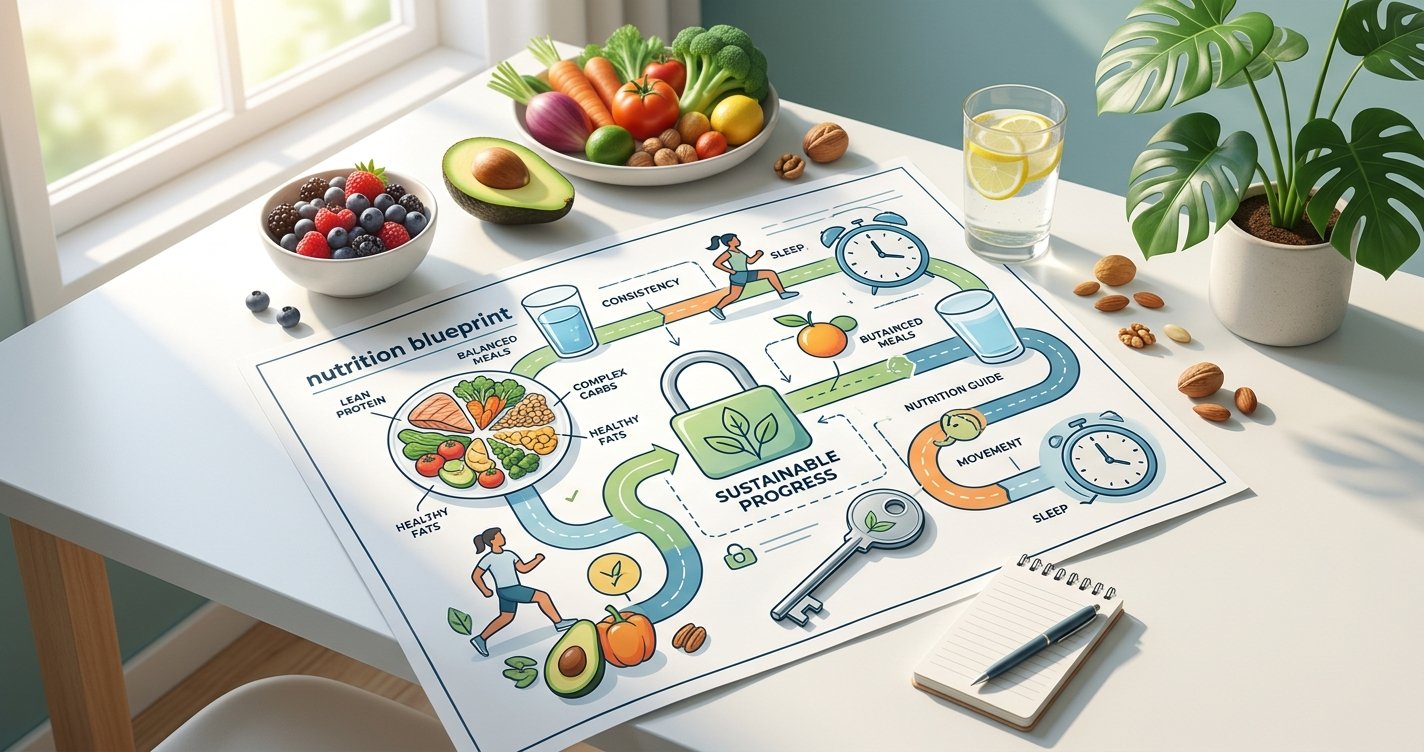
Unlock Sustainable Fat Loss: Your Evidence-Based Nutrition Blueprint
Are you tired of the endless cycle of fad diets, restrictive eating, and the frustrating 'yo-yo' effect? If you've been on a quest for sustainable fat loss, you know that quick fixes rarely deliver lasting results. The truth is, achieving and maintaining a healthy body composition isn't about deprivation; it's about understanding your body and fueling it intelligently. This isn't just another diet plan; it's an evidence-based guide to building a nutrition blueprint that works for you, focusing on long-term health and genuine fat loss.
In this comprehensive guide, we'll dive deep into the core principles of nutrition that genuinely support fat loss, backed by science and designed for real life. We’ll explore how to create a calorie deficit effectively, optimize your macronutrients, harness the power of micronutrients, and develop practical, sustainable eating habits. Get ready to ditch the diet mentality and embrace a powerful, empowering approach to nutrition that will help you achieve your fat loss goals and maintain them for good. this excellent wellness product
The Core Principle: Understanding Your Calorie Deficit
At the heart of all fat loss lies one non-negotiable principle: a calorie deficit. Simply put, you must consume fewer calories than your body burns over time. While this sounds straightforward, understanding how to achieve it sustainably and healthily is where many go wrong.
What is a Calorie Deficit?
Your body constantly burns calories for basic functions (like breathing and thinking), physical activity, and digesting food. This total energy expenditure is unique to you. A calorie deficit occurs when your dietary calorie intake is consistently lower than your body's total daily energy expenditure (TDEE). When this happens, your body turns to stored energy – primarily body fat – to make up the difference, leading to fat loss.
How to Estimate Your Needs (TDEE Simplified)
While precise measurements require lab tests, you can estimate your TDEE using online calculators that consider your age, sex, weight, height, and activity level. Start by finding your Basal Metabolic Rate (BMR), which is the calories your body burns at rest. Then, factor in your activity level. Once you have an estimate of your TDEE, aim to create a moderate deficit of 300-500 calories per day. This typically translates to a healthy and sustainable fat loss of 1-2 pounds per week.
Why Extreme Deficits Backfire
It might be tempting to slash calories drastically, but extreme deficits often lead to negative consequences. They can cause muscle loss (not just fat!), slow down your metabolism, lead to nutrient deficiencies, intense hunger, irritability, and ultimately, make the diet unsustainable. Your body is smart; it adapts. A moderate, consistent deficit is the key to preserving muscle mass and maintaining metabolic health while losing fat.
Macronutrients Matter: Fueling Your Fat Loss Journey
Once you understand your calorie target, the next step is to optimize your macronutrients: protein, carbohydrates, and fats. These aren't just calories; they play distinct roles in satiety, muscle preservation, energy, and overall health.
Protein: The Satiety and Muscle Protector
Protein is your best friend for fat loss. It's the most satiating macronutrient, meaning it helps you feel fuller for longer, reducing overall calorie intake. Furthermore, adequate protein intake is crucial for preserving lean muscle mass during a calorie deficit. Muscle is metabolically active, so maintaining it helps keep your metabolism humming. Aim for 0.7-1 gram of protein per pound of body weight, focusing on lean sources like chicken breast, fish, lean beef, eggs, dairy, and plant-based options like lentils and beans.
Carbohydrates: Friend or Foe? Choosing Smart Carbs
Carbohydrates have often been demonized, but they are your body's primary energy source. The key is choosing the right kind. Focus on complex carbohydrates rich in fiber, such as whole grains (oats, brown rice, quinoa), fruits, and vegetables. These digest slowly, provide sustained energy, and contribute to satiety. Limit refined carbohydrates like white bread, sugary drinks, and processed snacks, which offer little nutritional value and can spike blood sugar, leading to energy crashes and increased hunger.
Fats: Essential for Health and Hormones
Dietary fats are vital for hormone production, nutrient absorption, and overall cellular function. While they are calorie-dense (9 calories per gram), healthy fats are essential. Incorporate sources of unsaturated fats like avocados, nuts, seeds, olive oil, and fatty fish (salmon). Limit saturated and trans fats found in processed foods. A moderate intake of healthy fats (around 20-30% of your total calories) is crucial for health and can also contribute to satiety.
Micronutrients & Hydration: The Unsung Heroes
While macronutrients provide energy, micronutrients (vitamins and minerals) and water are the crucial supporting cast that ensures your body functions optimally, supporting energy levels, metabolism, and overall well-being during fat loss.
Vitamins, Minerals, and Fiber: Why They're Crucial
Even in a calorie deficit, your body still needs a full spectrum of vitamins and minerals. These micronutrients are involved in countless metabolic processes, including energy production and fat metabolism. A deficiency can hinder your progress and impact your health. Load up on a diverse range of colorful fruits and vegetables, which are packed with vitamins, minerals, and antioxidants. Fiber, found in fruits, vegetables, whole grains, and legumes, is another unsung hero. It aids digestion, promotes gut health, and significantly boosts satiety, helping you feel full on fewer calories.
The Power of Water: Hydration for Metabolism and Satiety
Often overlooked, adequate hydration is fundamental for fat loss. Water is essential for every bodily function, including metabolism. Dehydration can slow down your metabolism and even be mistaken for hunger, leading to unnecessary snacking. Aim to drink plenty of water throughout the day – at least 8 glasses, and more if you're active. Sometimes, a glass of water is all you need to curb a craving or feel more energized.
Practical Strategies for Sustainable Eating Habits
Knowledge is power, but application is everything. Developing sustainable eating habits is key to making your fat loss journey enjoyable and long-lasting.
Mindful Eating: Connecting with Your Food
Slow down and pay attention to your food. Mindful eating involves eating without distractions, savoring each bite, and listening to your body's hunger and fullness cues. This practice can help you recognize true hunger, prevent overeating, and enjoy your meals more, fostering a healthier relationship with food.
Meal Planning & Preparation: Your Secret Weapon
Failing to plan is planning to fail. Dedicate some time each week to plan your meals and prepare some components in advance. This might involve cooking a batch of lean protein, chopping vegetables, or portioning out snacks. Having healthy options readily available dramatically reduces the likelihood of reaching for less nutritious, convenient foods when hunger strikes.
Navigating Social Situations & Cravings
Life happens! Don't let social events derail your progress. Plan ahead: eat a healthy snack before you go, choose lighter options, and practice moderation. For cravings, distinguish between true hunger and emotional eating. Try a glass of water, a walk, or a healthy distraction. If you indulge, enjoy it, and get back on track with your next meal – don't let one moment turn into a day or week of off-plan eating.
The Importance of Sleep for Appetite Regulation
It might not seem directly related to nutrition, but sleep plays a critical role in fat loss. Insufficient sleep disrupts hormones that regulate appetite (ghrelin and leptin), leading to increased hunger and cravings for high-calorie foods. Aim for 7-9 hours of quality sleep per night to support your body's natural appetite regulation and energy levels.
Building Your Personalized Nutrition Blueprint
There's no one-size-fits-all diet. Your journey is unique, and your nutrition blueprint should reflect that. The goal is to find what works for you, consistently.
Start Small, Be Consistent
Don't try to overhaul everything at once. Pick one or two areas to focus on first – maybe increasing protein, drinking more water, or planning one healthy meal a day. Small, consistent changes build momentum and are far more sustainable than drastic overhauls that quickly lead to burnout.
Listen to Your Body & Adjust
Pay attention to how different foods and strategies make you feel. Are you energized or sluggish? Satiated or hungry? Your body provides valuable feedback. Don't be afraid to adjust your approach based on your energy levels, satiety, and progress. This is a learning process, not a rigid set of rules.
Seek Professional Guidance (When Needed)
While this guide provides a solid foundation, sometimes personalized support is invaluable. If you have specific health conditions, struggle with disordered eating, or feel overwhelmed, consider consulting a registered dietitian or a qualified nutrition coach. They can provide tailored advice and support to help you navigate your unique journey.
Conclusion: Your Path to Lasting Fat Loss
Achieving sustainable fat loss isn't about chasing the latest diet trend; it's about adopting an evidence-based, holistic approach to nutrition and lifestyle. By understanding the power of a moderate calorie deficit, optimizing your macronutrient and micronutrient intake, prioritizing hydration, and cultivating mindful eating habits, you can transform your body and your relationship with food.
Remember, this is a journey, not a destination. There will be good days and challenging days, but consistency, patience, and self-compassion are your most powerful allies. Embrace this blueprint, make it your own, and empower yourself to build a healthier, stronger, and more vibrant you. Start today, one smart choice at a time!