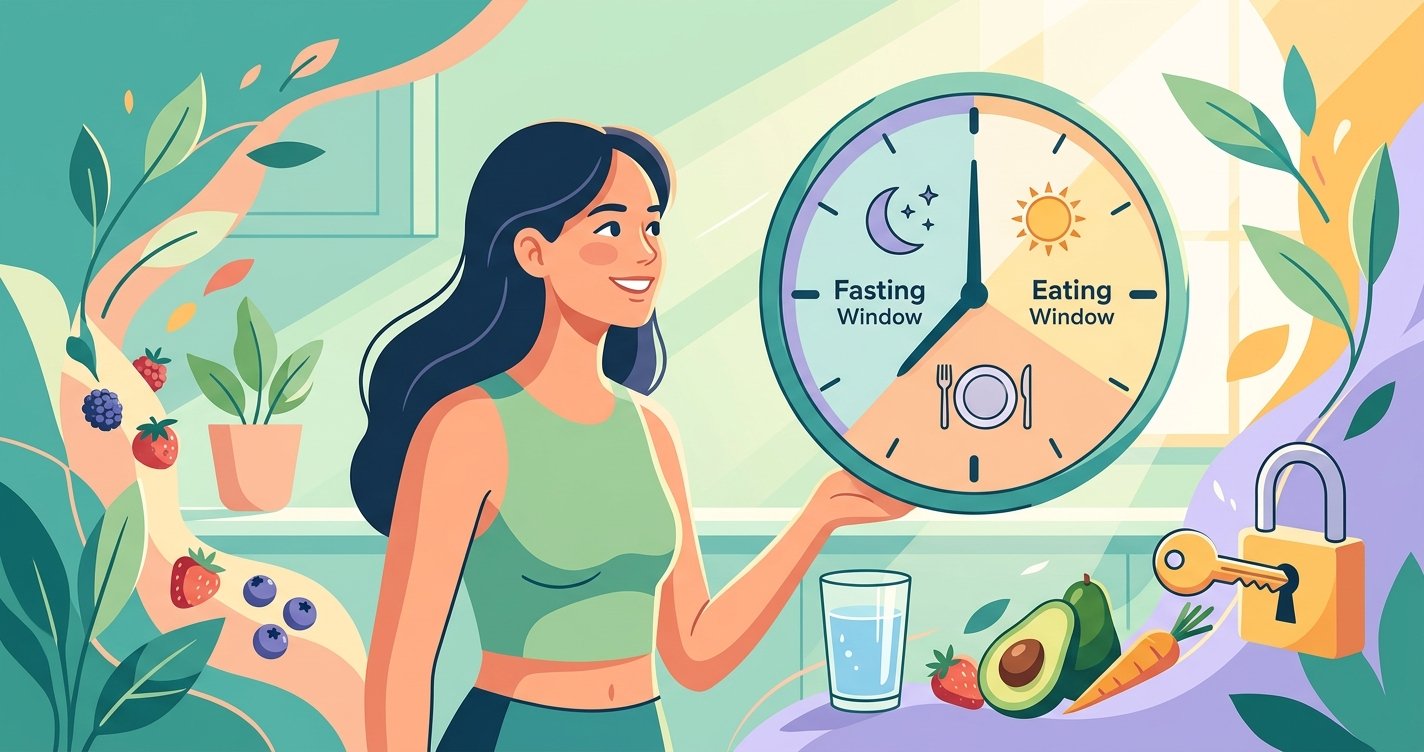
Are you feeling stuck in a cycle of restrictive diets, only to see your fat loss efforts plateau or even reverse? It's a common frustration, and one that often leads people to seek more sustainable, less daunting approaches to managing their weight and improving their health. Enter Intermittent Fasting (IF) – a powerful, yet surprisingly flexible, strategy that's gaining immense popularity for its potential to unlock sustainable fat loss and a host of other health benefits.
But what exactly is Intermittent Fasting, and how can it help you shed stubborn fat without feeling deprived? In this friendly, evidence-based guide, we’ll explore the science behind IF, its practical applications, and how you can seamlessly integrate it into your lifestyle for lasting results. Get ready to rethink your approach to eating and discover a path to a healthier, leaner you! this excellent wellness product
What Exactly is Intermittent Fasting? It's Simpler Than You Think!
At its core, Intermittent Fasting isn't a diet in the traditional sense; it's an eating pattern. Instead of focusing on what you eat (though nutritious food is always key!), IF primarily dictates when you eat. It involves cycling between periods of eating and voluntary fasting, making your body more efficient at burning fat for fuel.
Think of it less as "starvation" and more as giving your digestive system a well-deserved break. For centuries, humans have naturally practiced forms of fasting, whether due to scarcity or religious practices. Our bodies are incredibly well-equipped to handle periods without food, and in fact, can thrive on it!
The Science of Shedding Fat: How IF Works Its Magic
So, how does simply changing your eating schedule lead to sustainable fat loss? It all comes down to a few key physiological changes:
1. Insulin Sensitivity and Fat Burning
- Lowered Insulin Levels: When you eat, your body releases insulin, a hormone that helps store glucose (sugar) from your food as energy or fat. During fasting periods, insulin levels drop significantly. Low insulin signals your body to switch from burning glucose to burning stored fat for energy. This is perhaps the most crucial mechanism for fat loss with IF.
- Improved Insulin Sensitivity: Regular fasting can make your cells more responsive to insulin, meaning your body needs to produce less of it to manage blood sugar. Better insulin sensitivity is great for overall health and makes it easier for your body to access and burn fat stores.
2. Human Growth Hormone (HGH) Boost
Fasting has been shown to naturally increase the production of Human Growth Hormone (HGH). HGH is a powerful hormone that plays a vital role in metabolism, muscle maintenance, and fat burning. Higher HGH levels during fasting help preserve lean muscle mass while promoting fat loss – a perfect combination for a leaner physique!
3. Calorie Reduction (Often Naturally!)
While not explicitly a "calorie restriction diet," many people naturally consume fewer calories when they confine their eating to a shorter window. With fewer opportunities to eat, it becomes easier to create the necessary calorie deficit for fat loss without meticulously counting every morsel. This often feels less restrictive than traditional dieting, making it more sustainable in the long run.
4. Autophagy: Cellular Housekeeping
Beyond fat loss, fasting triggers a process called autophagy, where your cells clean out damaged components and regenerate newer, healthier ones. While not directly a fat loss mechanism, this cellular "detox" contributes to overall health, longevity, and better metabolic function, indirectly supporting a healthy weight.
Finding Your Rhythm: Popular Intermittent Fasting Methods
One of the beauties of IF is its flexibility. There isn't a one-size-fits-all approach, allowing you to choose a method that best suits your lifestyle and preferences. Here are some of the most popular:
1. The 16/8 Method (Time-Restricted Eating)
This is by far the most popular and beginner-friendly method. It involves fasting for 16 hours each day and confining your eating to an 8-hour window. For example, you might skip breakfast, eat your first meal at 1 PM, and finish your last meal by 9 PM. Many people find this easy to adopt as much of the fasting occurs while sleeping.
2. The 5:2 Method (The Fast Diet)
With this method, you eat normally for five days a week and restrict your calorie intake to 500-600 calories on two non-consecutive days. For example, you might eat normally Monday, Tuesday, Thursday, Friday, and Sunday, and fast (with limited calories) on Wednesday and Saturday.
3. Eat-Stop-Eat (24-Hour Fast)
This involves performing one or two 24-hour fasts per week. For instance, you might finish dinner on Monday at 7 PM and not eat again until dinner on Tuesday at 7 PM. This method can be more challenging for beginners but can be very effective for those who adapt well.
Remember: The best method is the one you can stick to consistently. Start with what feels manageable and adjust as your body adapts.
Practical Tips for a Smooth Start to Your IF Journey
Ready to give IF a try? Here's how to set yourself up for success and make the transition as smooth as possible:
- Start Slowly: Don't jump straight into extreme fasting. Begin with a shorter fasting window, like 12 hours, and gradually extend it as you feel comfortable.
- Hydration is Your Best Friend: During your fasting window, it's crucial to stay well-hydrated. Drink plenty of water, black coffee, or unsweetened tea. These can also help curb hunger pangs.
- Prioritize Nutrient-Dense Foods: When you do eat, make those meals count! Focus on whole, unprocessed foods rich in protein, healthy fats, fiber-rich vegetables, and complex carbohydrates. This will keep you feeling full, nourished, and energized.
- Listen to Your Body: IF is not about pushing yourself to discomfort. If you feel unwell, dizzy, or excessively hungry, it's okay to break your fast. Adjust your schedule or method as needed.
- Mindful Eating: Even with a shorter eating window, avoid overeating or binging. Practice mindful eating – savor your food, eat slowly, and stop when you're comfortably full.
- Sleep Well: Adequate sleep is crucial for hormone regulation, hunger control, and overall well-being, especially when starting IF. Aim for 7-9 hours of quality sleep per night.
Addressing Common Concerns & Busting Myths
It's natural to have questions, and perhaps even some skepticism, about Intermittent Fasting. Let's tackle a few common ones:
- "Will I lose muscle mass?" When done correctly, IF can actually help preserve muscle mass while burning fat, thanks to the boost in HGH. Prioritizing protein in your eating window and incorporating strength training are key.
- "Will it put me into starvation mode?" This is a common myth. Short-term fasting actually boosts metabolism, not slows it down. Starvation mode is a physiological response to prolonged, chronic calorie restriction, not intermittent fasting.
- "Is it safe for everyone?" While generally safe for most healthy adults, IF is not for everyone. Pregnant or breastfeeding women, individuals with a history of eating disorders, those on certain medications, or people with underlying medical conditions (like diabetes) should consult a doctor before starting IF.
Beyond the Scale: The Holistic Benefits of Intermittent Fasting
While fat loss is a primary motivator for many, IF offers a wealth of additional health advantages that contribute to a more vibrant, energetic you:
- Improved Mental Clarity and Focus: Many fasters report increased concentration and mental sharpness, often attributed to better blood sugar regulation and brain-derived neurotrophic factor (BDNF) production.
- Increased Energy Levels: Once your body adapts to burning fat for fuel, you might experience more stable energy throughout the day, avoiding the typical post-meal slumps.
- Simplicity and Convenience: Fewer meals to prepare, eat, and clean up means more time and less mental energy spent on food planning. It simplifies life!
- Better Blood Sugar Control: By improving insulin sensitivity, IF can be a powerful tool for managing blood sugar levels and reducing the risk of type 2 diabetes.
- Reduced Inflammation: Chronic inflammation is linked to many diseases. Studies suggest fasting can help reduce inflammatory markers in the body.
Embrace a Sustainable Path to Fat Loss
Intermittent Fasting isn't just another fad diet; it's a flexible, evidence-based eating pattern that can be a game-changer for sustainable fat loss and overall health. By working with your body's natural rhythms, you can tap into its innate fat-burning abilities, improve your metabolic health, and experience a newfound sense of control over your eating habits.
Remember, consistency is key, and listening to your body is paramount. Start small, be patient with yourself, and focus on nourishing your body with wholesome foods during your eating windows. If you have any underlying health conditions, always consult your healthcare provider before making significant dietary changes.
Ready to embark on your IF journey? Here's to unlocking a healthier, leaner, and more energized you!