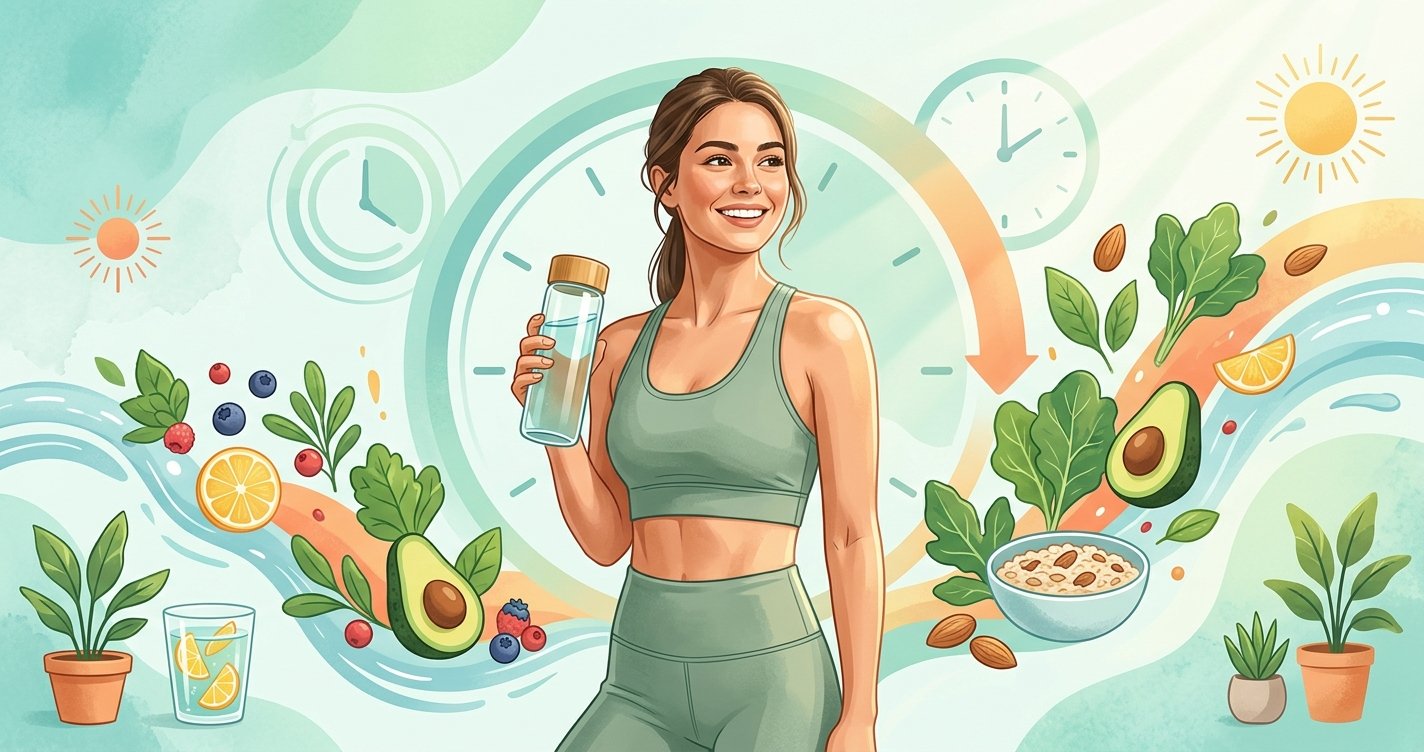
Are you looking for a sustainable, science-backed approach to fat loss that doesn't feel like another restrictive diet? You're in the right place! Intermittent Fasting (IF) has surged in popularity, not just as a trendy eating pattern, but as a powerful tool for metabolic health and effective fat loss. But what exactly is it, and how can you harness its potential to achieve your health goals? Let's dive into the friendly, evidence-based world of Intermittent Fasting and discover how it can help you unlock a healthier, leaner you.
What Exactly Is Intermittent Fasting?
Forget everything you think you know about traditional dieting. Intermittent Fasting isn't about what you eat as much as it's about when you eat. At its core, IF is an eating pattern that cycles between periods of eating and voluntary fasting. It's not a diet in the conventional sense, but rather a schedule that helps your body optimize its natural fat-burning processes. this excellent wellness product
For centuries, humans have naturally practiced forms of fasting, whether due to scarcity or religious practices. Our bodies are incredibly well-equipped to handle periods without food, often performing optimally when given a break from constant digestion. Modern IF simply reintroduces this ancient rhythm into our busy lives, offering a structured way to manage calorie intake and boost metabolic efficiency.
How Does Intermittent Fasting Aid Fat Loss? The Science Behind It
The magic of IF for fat loss isn't just about eating less (though that often happens naturally!). It's about optimizing your body's hormonal environment to encourage fat burning. Here’s a look at the key mechanisms:
1. Natural Calorie Restriction
By shortening your eating window, you naturally reduce the time available to consume food. For many, this leads to a spontaneous reduction in overall calorie intake without meticulously counting every morsel. Fewer opportunities to eat often means fewer calories consumed, which is fundamental to creating the calorie deficit needed for fat loss.
2. Improved Insulin Sensitivity
When you eat, your body releases insulin to shuttle glucose from your bloodstream into your cells for energy. Constant eating keeps insulin levels elevated, which signals your body to store fat. During fasting periods, insulin levels drop significantly. Lower insulin levels signal your body to switch from burning glucose to burning stored body fat for energy, making it easier to access those stubborn fat reserves.
3. Hormonal Optimization
- Human Growth Hormone (HGH): Fasting can significantly increase HGH levels, a hormone crucial for fat loss, muscle gain, and overall metabolic health. Higher HGH levels promote fat burning and help preserve lean muscle mass.
- Norepinephrine (Noradrenaline): Your nervous system releases norepinephrine during fasting, which acts as an alert signal, telling your body to break down stored body fat into usable energy.
4. Boosted Autophagy
While not directly a fat loss mechanism, autophagy is a fascinating cellular repair process where your body cleans out damaged cells and regenerates new, healthier ones. Fasting is a powerful trigger for autophagy, contributing to overall cellular health and potentially slowing down aging processes. A healthier body is a more efficient fat-burning body!
Popular Intermittent Fasting Methods: Find Your Fit
There's no one-size-fits-all approach to IF. The beauty lies in its flexibility! Here are some of the most popular methods:
1. The 16/8 Method (Leangains Protocol)
This is arguably the most popular and easiest method to start with. It involves fasting for 16 hours each day and restricting your eating to an 8-hour window. For example, you might skip breakfast, eat your first meal around 1 PM, and finish your last meal by 9 PM. During the fasting window, black coffee, tea, and water are allowed.
2. The 5:2 Diet (Eat-Stop-Eat Variation)
With this method, you eat normally for five days of the week and restrict your calorie intake to 500-600 calories on two non-consecutive days. For instance, you might eat normally Monday, Tuesday, Thursday, Friday, Saturday, and have your low-calorie days on Wednesday and Sunday.
3. Eat-Stop-Eat
This involves a full 24-hour fast, once or twice per week. For example, you might finish dinner on Monday at 7 PM and not eat again until dinner on Tuesday at 7 PM. This can be more challenging for beginners but is highly effective for some.
Remember, the best method is the one you can stick to consistently and that fits seamlessly into your lifestyle.
Getting Started with IF: Practical Tips for Success
Ready to give IF a try? Here's how to ease into it and set yourself up for success:
- Start Slow: Don't jump straight into 24-hour fasts. Begin with a shorter fasting window, like 12 hours, and gradually extend it as your body adapts. Even skipping a late-night snack can be a gentle start.
- Stay Hydrated: Water is your best friend during fasting periods! Drink plenty of water, black coffee, or unsweetened tea to help manage hunger and stay energized. Electrolytes (like a pinch of sea salt in water) can also be helpful.
- Prioritize Nutrient-Dense Foods: During your eating window, focus on whole, unprocessed foods. Lean proteins, healthy fats, fiber-rich vegetables, and complex carbohydrates will keep you feeling full, nourished, and support your energy levels. IF isn't a license to binge on junk food!
- Listen to Your Body: Pay attention to hunger cues, energy levels, and how you feel. If you're feeling unwell, dizzy, or excessively tired, it might be a sign to adjust your schedule or consult a healthcare professional.
- Don't Overcompensate: The goal is not to eat double the amount of food during your eating window. Focus on balanced, satisfying meals to maintain a calorie deficit over time.
- Combine with Strength Training: Incorporating resistance training into your routine is crucial. It helps preserve muscle mass during fat loss, boosts your metabolism, and enhances body composition.
Common Myths and Misconceptions About Intermittent Fasting
Let's clear up some common concerns that might be holding you back:
- Myth: IF slows down your metabolism. Fact: Studies suggest that short-term fasting can actually boost metabolism by increasing norepinephrine. Only very prolonged fasting might slightly reduce metabolism over the long term, but typical IF protocols don't.
- Myth: You'll lose muscle mass. Fact: When combined with adequate protein intake during your eating window and regular strength training, IF can actually help preserve muscle mass while burning fat, thanks to increased HGH.
- Myth: You'll be constantly hungry. Fact: While there's an adjustment period, most people find their hunger signals adapt. Many report feeling less hungry and more focused during their fasting windows once their bodies become fat-adapted.
- Myth: It's extreme and unsustainable. Fact: Many find IF incredibly flexible and easy to integrate into their daily lives, especially the 16/8 method. It frees up time and mental energy usually spent on constant meal prep.
- Myth: You can eat anything you want during your eating window. Fact: While IF provides flexibility, the quality of your food still matters immensely for fat loss and overall health. Prioritize nutrient-dense foods for optimal results.
Who Should (and Shouldn't) Try Intermittent Fasting?
Intermittent Fasting can be a fantastic tool for many, but it's not for everyone. It's generally safe and effective for most healthy adults looking to lose fat, improve metabolic health, and simplify their eating patterns.
However, certain individuals should approach IF with caution or avoid it altogether:
- Pregnant or Breastfeeding Women: Nutritional needs are higher during these periods, and fasting may not provide sufficient nutrients for both mother and baby.
- Individuals with a History of Eating Disorders: IF can sometimes trigger unhealthy behaviors or obsessions with food.
- People with Certain Medical Conditions: Especially those with diabetes (type 1 or type 2 on medication), or individuals taking medications that require food intake. Always consult your doctor before starting IF if you have a medical condition.
- Children and Teenagers: Their bodies are still growing and developing, and consistent nutrient intake is vital.
When in doubt, always consult with a healthcare professional or a registered dietitian before making significant changes to your eating habits.
Embrace a Sustainable Path to Fat Loss
Intermittent Fasting offers a refreshing, evidence-based approach to fat loss that focuses on optimizing your body's natural processes rather than constant restriction. By understanding how it works, choosing a method that suits you, and focusing on nutrient-dense foods during your eating windows, you can unlock its powerful benefits for sustainable fat loss, improved metabolic health, and enhanced well-being.
It's not just about losing weight; it's about building a healthier relationship with food and empowering your body to thrive. Are you ready to give Intermittent Fasting a try and discover a more sustainable path to a healthier, leaner you? Your journey starts now!