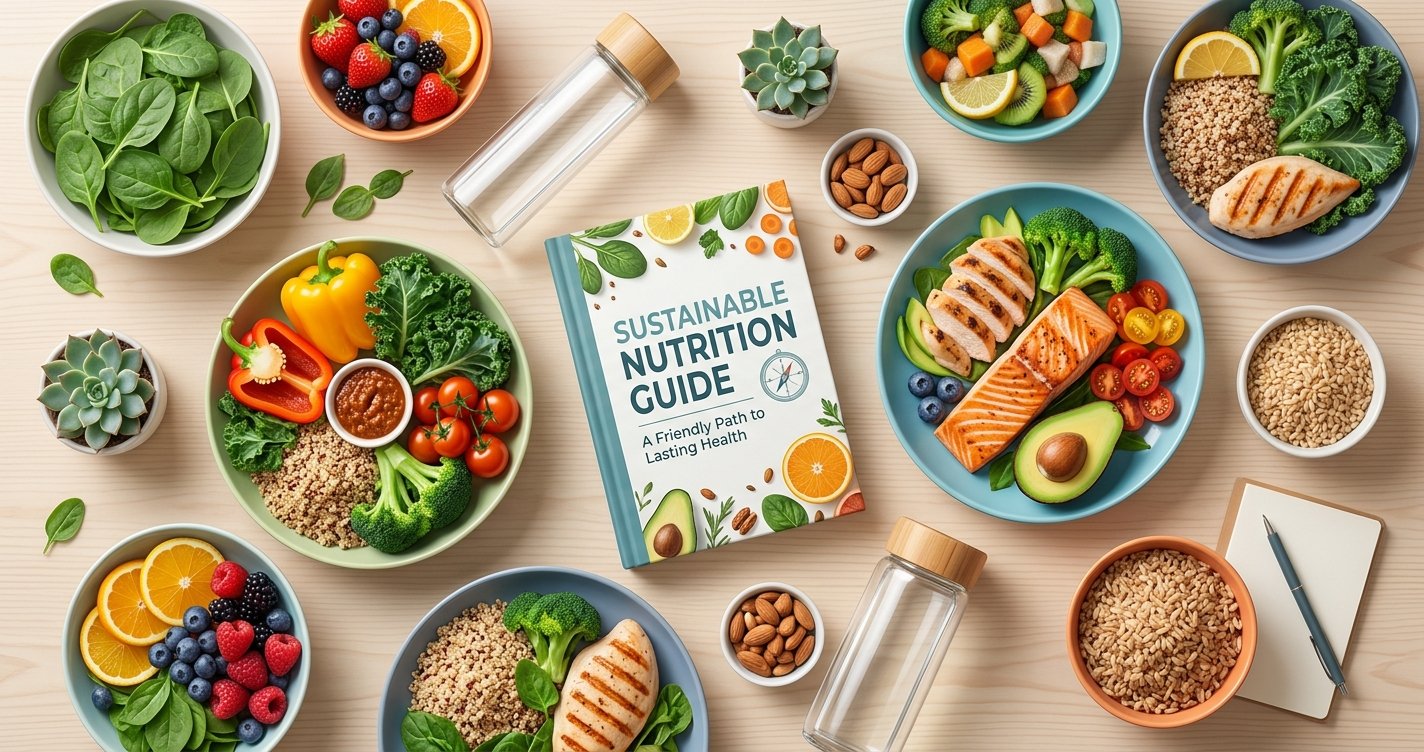
Are you tired of the yo-yo dieting cycle? The endless pursuit of the latest fad, only to find yourself back where you started (or even further behind) a few months later? You're not alone. Many people struggle with fat loss because they focus on temporary fixes rather than building sustainable habits. But what if there was a way to achieve lasting results, feeling energized and nourished along the way? The good news is, there is! It’s not about deprivation or extreme measures; it’s about smart, evidence-based nutrition strategies that fit into your life.
This guide isn't about quick fixes; it's about empowering you with the knowledge to make informed food choices that support your fat loss goals for the long haul. We'll dive into the science-backed principles of sustainable nutrition, focusing on how to eat in a way that fuels your body, satisfies your cravings, and helps you shed fat without feeling like you're constantly fighting an uphill battle. Let's build a foundation for a healthier, happier you! this excellent wellness product
The Foundation: Understanding Your Caloric Balance
At its core, fat loss boils down to a simple principle: you need to consume fewer calories than your body burns. This is known as creating a caloric deficit. While the concept is simple, executing it sustainably is where many people stumble. It’s not about starving yourself; it’s about finding a moderate deficit that your body can comfortably maintain without feeling deprived or constantly hungry.
Think of your body as a car. Calories are the fuel. If you put in less fuel than you use, your car will eventually run out. Similarly, if you consistently provide your body with slightly less energy than it needs, it will start to tap into its stored energy reserves – primarily body fat – for fuel. A good starting point for a sustainable deficit is usually around 300-500 calories below your Total Daily Energy Expenditure (TDEE). You can estimate your TDEE using online calculators, but remember these are just estimates; listening to your body and tracking your progress are key.
The magic isn't in extreme restriction, which often backfires and leads to rebound weight gain. Instead, aim for a deficit that allows for steady, manageable fat loss – typically 1-2 pounds per week. This approach preserves muscle mass, keeps your metabolism humming, and is far more enjoyable than crash dieting.
Power Up with Protein: Your Fat Loss Ally
If there's one nutrient that deserves the spotlight in your fat loss journey, it's protein. Protein is an absolute powerhouse, offering multiple benefits that make it an indispensable part of a sustainable nutrition plan.
Why Protein is King for Fat Loss
- Satiety Superstar: Protein is incredibly filling. Consuming adequate protein helps you feel fuller for longer, reducing overall calorie intake by curbing mindless snacking and overeating at meals. The science backs this up: protein has a higher satiety factor than carbohydrates or fats.
- Thermic Effect of Food (TEF): Your body uses energy to digest, absorb, and metabolize food. This is called the Thermic Effect of Food (TEF). Protein has the highest TEF compared to other macronutrients, meaning you burn more calories simply by digesting protein-rich foods.
- Muscle Preservation: When you're in a caloric deficit, your body can sometimes break down muscle tissue for energy, not just fat. Adequate protein intake is crucial for preserving your precious muscle mass. Why is this important? Muscle is metabolically active, meaning it burns more calories at rest than fat tissue. Preserving muscle helps maintain a higher metabolism, making fat loss easier in the long run.
How Much Protein Do You Need?
General recommendations for fat loss often suggest consuming 1.6 to 2.2 grams of protein per kilogram of body weight (or 0.7 to 1 gram per pound of target body weight). Spread your protein intake throughout the day across all your meals and snacks for optimal benefits.
Excellent protein sources include: lean meats (chicken breast, turkey, lean beef), fish (salmon, tuna, cod), eggs, dairy (Greek yogurt, cottage cheese), legumes (lentils, beans), tofu, tempeh, and protein powder supplements.
Embrace Fiber: The Unsung Hero of Satiety and Gut Health
Often overlooked, dietary fiber is another critical component of a successful, sustainable fat loss strategy. Fiber, particularly soluble fiber, plays a significant role in helping you feel full and satisfied.
When you consume fiber-rich foods, the fiber expands in your stomach, creating a sense of fullness. It also slows down the digestion and absorption of other nutrients, which helps stabilize blood sugar levels. Stable blood sugar means fewer energy crashes and reduced cravings for sugary, high-calorie snacks.
Beyond satiety, fiber is fantastic for your gut health. A healthy gut microbiome is increasingly linked to better metabolism and overall well-being. Fiber acts as a prebiotic, feeding the beneficial bacteria in your gut.
Boost your fiber intake with: plenty of fruits (berries, apples, pears), vegetables (broccoli, spinach, carrots), whole grains (oats, quinoa, brown rice), and legumes (beans, lentils, chickpeas). Aim for at least 25-30 grams of fiber per day.
Smart Carb and Fat Choices: Quality Over Quantity
Carbohydrates and fats have often been demonized in various diet trends, but the truth is, both are essential for your health and can absolutely be part of a successful fat loss journey. The key lies in choosing the right kinds and managing your portions.
Carbohydrates: Fueling Your Body Wisely
Carbohydrates are your body's primary source of energy. Instead of cutting them out entirely, focus on consuming complex carbohydrates and naturally occurring sugars found in whole foods. These are rich in fiber and micronutrients, providing sustained energy without the sharp blood sugar spikes and crashes associated with refined carbs.
Prioritize: whole grains (oats, quinoa, brown rice, whole-wheat bread), fruits, and a wide variety of vegetables. These provide essential vitamins, minerals, and the fiber we just talked about. Limit highly processed carbs like white bread, sugary cereals, pastries, and sodas, which offer little nutritional value and can sabotage your fat loss efforts.
You don't need to go low-carb to lose fat, but being mindful of your carb sources and portion sizes is crucial. Timing some of your carb intake around your workouts can also be beneficial for energy and recovery.
Fats: Essential for Health, Not Your Enemy
For decades, fat was the dietary villain, but we now know that healthy fats are vital for hormone production, nutrient absorption (especially fat-soluble vitamins A, D, E, K), brain health, and even satiety. The trick is to distinguish between healthy and unhealthy fats and to remember that all fats are calorie-dense, so portion control is key.
Focus on healthy unsaturated fats: monounsaturated (found in avocados, olive oil, nuts like almonds and pecans) and polyunsaturated (found in fatty fish like salmon, walnuts, flaxseeds, and many plant-based oils). These fats can help reduce inflammation and support heart health.
Limit saturated fats (found in high amounts in red meat, butter, full-fat dairy, and many processed foods) and avoid artificial trans fats entirely (often found in processed baked goods and fried foods). While healthy fats are good for you, a little goes a long way due to their high calorie content. A serving of nuts or a drizzle of olive oil is enough to reap the benefits without overdoing it on calories.
Hydration, Sleep, and Stress: The Often-Overlooked Trio
Nutrition isn't just about what you eat; it's also about creating an optimal environment for your body to thrive and shed fat. Three critical, yet often neglected, factors are hydration, sleep, and stress management.
- Hydration: Water is essential for every bodily function, including metabolism. Sometimes, our bodies confuse thirst signals with hunger, leading to unnecessary snacking. Drinking plenty of water can help you feel full, support digestion, and ensure your body is working efficiently. Aim for at least 8 glasses (around 2 liters) of water daily, and even more if you're active.
- Sleep: Skimping on sleep can wreak havoc on your fat loss efforts. Lack of sleep disrupts hunger-regulating hormones: ghrelin (which increases appetite) goes up, and leptin (which signals fullness) goes down. This makes you hungrier and more prone to cravings for high-calorie, sugary foods. Aim for 7-9 hours of quality sleep per night.
- Stress: Chronic stress elevates cortisol levels, a hormone that can promote fat storage, particularly around the abdomen (visceral fat). Stress can also lead to emotional eating. Finding healthy ways to manage stress, such as meditation, yoga, spending time in nature, or engaging in hobbies, is just as important as your diet.
These three pillars create a powerful synergy with your nutritional choices, accelerating your progress and improving your overall well-being. Don't underestimate their impact!
Mindful Eating and Sustainable Habits: Beyond the Plate
The best nutrition plan in the world won't work if you can't stick to it. This is where mindful eating and building sustainable habits come in. Fat loss isn't just about the food; it's about your relationship with food and your lifestyle.
- Practice Mindful Eating: Slow down. Pay attention to your food – its taste, texture, and smell. Eat without distractions (no TV, phone, or computer). Listen to your body's hunger and fullness cues. This helps prevent overeating and increases your enjoyment of meals.
- Plan Ahead: Meal prepping or simply planning your meals and snacks for the week can dramatically reduce the likelihood of making poor food choices when hunger strikes. Having healthy options readily available is a game-changer.
- Don't Strive for Perfection: Life happens. There will be times when you eat something 'off-plan.' Instead of viewing it as a failure, acknowledge it, learn from it, and get back on track with your next meal. The 80/20 rule (eating healthy 80% of the time and allowing for flexibility 20% of the time) is a realistic and sustainable approach.
- Be Patient and Consistent: Sustainable fat loss takes time. The scale might not move every day, and that's okay. Focus on consistency over perfection. Celebrate non-scale victories, like increased energy, better sleep, improved mood, or clothes fitting better.
Your Journey to Lasting Fat Loss Starts Now
Achieving sustainable fat loss isn't about chasing the latest diet fad; it's about making informed, consistent choices that nourish your body and support your overall health. By focusing on a moderate caloric deficit, prioritizing protein and fiber, making smart choices with carbohydrates and fats, and paying attention to hydration, sleep, and stress, you're building a foundation that truly lasts.
Remember, this is a journey, not a destination. Be kind to yourself, celebrate your progress, and trust the process. You have the power to transform your relationship with food and unlock the healthy, energetic life you deserve. Start implementing these strategies today, one small, sustainable step at a time. You've got this!