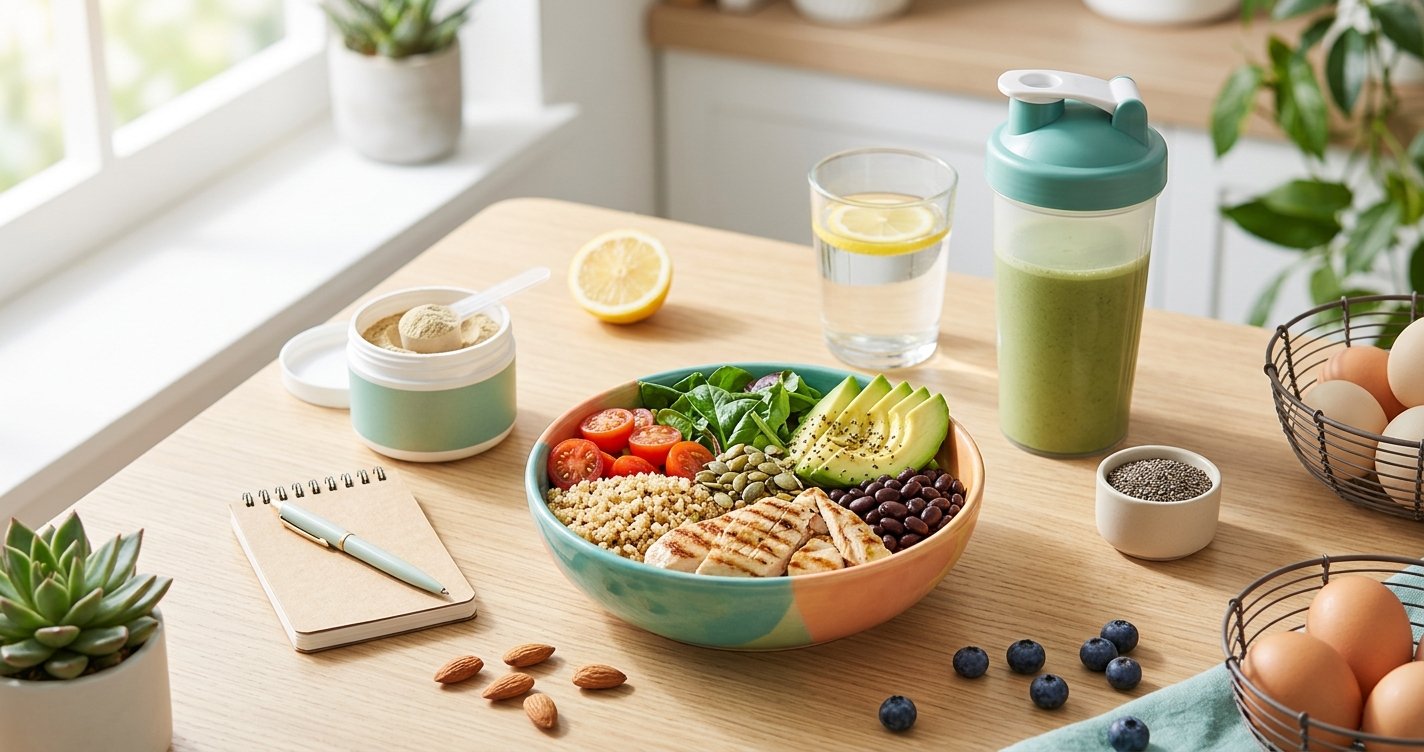
Unlock Sustainable Fat Loss: Your Friendly Guide to Smart Nutrition & Protein Power
Are you tired of the endless cycle of crash diets, restrictive eating, and the frustrating rebound effect? You're not alone. The journey to fat loss can often feel overwhelming, filled with conflicting advice and unrealistic expectations. But what if there was a path that wasn't about deprivation, but about smart, evidence-based nutrition that fuels your body, satisfies your cravings, and leads to lasting results?
This isn't another quick-fix promise. Instead, we're diving deep into the two most powerful, yet often misunderstood, pillars of sustainable fat loss: understanding your calorie deficit and harnessing the incredible power of protein. Get ready to transform your approach to eating, embrace a healthier lifestyle, and finally achieve the lean, energetic body you deserve, all while enjoying your food! this excellent wellness product
Why Sustainable Fat Loss Matters More Than Quick Fixes
The allure of rapid weight loss is strong, but the reality of crash diets often leads to disappointment. These extreme approaches typically result in a loss of water and muscle, not just fat. Worse, they can slow down your metabolism, making it harder to keep the weight off in the long run. This is the dreaded 'yo-yo dieting' effect, a frustrating cycle that can harm your physical and mental health.
Sustainable fat loss, on the other hand, focuses on gradual, consistent progress through habits you can maintain for life. It's about nourishing your body, building strength, and making choices that support your overall well-being, not just a number on the scale. When you prioritize sustainability, you're investing in a future where you feel good, look great, and have the energy to live life to the fullest, without constant struggle.
The Cornerstone of Fat Loss: Understanding Your Calorie Deficit
What is a Calorie Deficit?
At its heart, fat loss is a simple equation: you need to consume fewer calories than your body burns. This state is known as a calorie deficit. Think of your body as a car. If you put less fuel in than it uses to drive, it will eventually run out. Similarly, if your body needs, say, 2000 calories to maintain its current weight and you consistently provide only 1700 calories, it will start to tap into its stored energy – your body fat – to make up the difference. This is non-negotiable for fat loss.
It's not about starving yourself; it's about strategic under-eating for a specific goal. The key is to create a deficit that is significant enough to encourage fat loss, but not so extreme that it leaves you feeling deprived, exhausted, or triggers unhealthy cravings.
How to Estimate Your Calorie Needs (Without Obsession)
While precise calorie counting can be tedious, understanding your approximate daily calorie needs is empowering. You can use online TDEE (Total Daily Energy Expenditure) calculators as a starting point. These tools consider factors like your age, sex, weight, height, and activity level to estimate how many calories your body burns in a day.
Once you have an estimate, aim for a moderate deficit of 250-500 calories per day. This typically allows for a healthy and sustainable fat loss rate of 0.5 to 1 pound per week. For example, if your TDEE is 2200 calories, aiming for 1700-1950 calories daily would put you in a good deficit.
- Start with Awareness: For a few days, try tracking your food intake using an app. This isn't about long-term obsession, but simply becoming aware of your typical calorie consumption and where you can make adjustments.
- Portion Control: Learn what a healthy portion size looks like. Use your hand as a guide: a palm-sized portion of protein, a cupped hand of carbs, two cupped hands of vegetables, and a thumb-sized portion of fats.
- Smart Swaps: Look for easy ways to reduce calories without feeling deprived. Swap sugary drinks for water, opt for leaner protein sources, and choose whole foods over processed snacks.
The Protein Powerhouse: Your Secret Weapon for Fat Loss
Why Protein is King for Fat Loss
If there's one nutrient that deserves the spotlight in your fat loss journey, it's protein. Protein offers a triple threat advantage:
- Satiety: Protein is incredibly filling. Including adequate protein in your meals helps you feel fuller for longer, reducing the urge to snack unnecessarily and making it easier to stick to your calorie deficit.
- Thermic Effect of Food (TEF): Your body expends energy to digest, absorb, and metabolize food. Protein has the highest TEF compared to carbs and fats, meaning you burn more calories just by eating and processing protein-rich foods!
- Muscle Preservation: When you're in a calorie deficit, your body can sometimes break down muscle tissue for energy, alongside fat. Adequate protein intake, especially when combined with strength training, helps protect your precious muscle mass. More muscle means a higher resting metabolism, making it easier to burn calories even at rest.
How Much Protein Do You Really Need?
While general guidelines for adults suggest around 0.8 grams of protein per kilogram of body weight, for active individuals aiming for fat loss, the recommendations are higher. A good target range is 1.6 to 2.2 grams of protein per kilogram of body weight. For example, if you weigh 70 kg (about 154 lbs), you'd aim for roughly 112-154 grams of protein per day.
Don't just hit your daily target; distribute your protein intake throughout the day. Aim for 20-40 grams of protein per meal to maximize muscle protein synthesis and satiety.
Delicious Ways to Boost Your Protein Intake
- Lean Meats & Poultry: Chicken breast, turkey, lean beef, pork tenderloin.
- Fish & Seafood: Salmon, tuna, cod, shrimp.
- Eggs: A versatile and complete protein source.
- Dairy: Greek yogurt, cottage cheese, milk, whey protein.
- Legumes & Lentils: Beans, chickpeas, lentils (great for plant-based options).
- Protein Supplements: Whey, casein, or plant-based protein powders can be a convenient way to boost intake, especially post-workout or as a snack.
Beyond Calories and Protein: Other Nutritional Pillars
While calories and protein are foundational, a truly sustainable and healthy fat loss plan also embraces other key nutritional components:
Embrace Whole Foods
Prioritize nutrient-dense, whole foods like fruits, vegetables, whole grains, and healthy fats. These foods are packed with vitamins, minerals, and fiber. Fiber is particularly important as it adds bulk to your meals, promotes digestive health, and further enhances satiety without adding many calories.
Don't Fear Healthy Fats
Fats are essential for hormone production, nutrient absorption, and overall health. While they are calorie-dense, incorporating healthy fats in moderation (from sources like avocados, nuts, seeds, and olive oil) can contribute to satiety and provide important nutrients. Just be mindful of portion sizes.
Hydration is Key
Water is often overlooked but plays a crucial role in metabolism, energy levels, and even satiety. Sometimes, your body can confuse thirst for hunger. Aim to drink plenty of water throughout the day – at least 8 glasses, and more if you're active or in a warm climate.
Practical Strategies for Long-Term Success
Meal Planning and Preparation
Failing to plan is planning to fail, especially when it comes to nutrition. Dedicate some time each week to plan your meals and snacks. Prepare ingredients or whole meals in advance (meal prepping) to ensure you always have healthy, high-protein options readily available. This reduces the likelihood of reaching for convenient, less healthy choices when hunger strikes.
Mindful Eating Practices
Slow down! Pay attention to your food, savor each bite, and listen to your body's hunger and fullness cues. Eating mindfully can help you recognize when you're truly satisfied, preventing overeating and fostering a healthier relationship with food. Put away distractions like your phone or TV during meals.
Patience and Consistency
Fat loss is a journey, not a sprint. There will be good days and challenging days. Don't get discouraged by slow progress or occasional slip-ups. Consistency over time is far more important than perfection. Celebrate small victories, learn from setbacks, and keep moving forward. Remember, sustainable change takes time.
Flexibility and Enjoyment
A truly sustainable approach allows for flexibility. It's okay to enjoy your favorite foods in moderation. The 80/20 rule (eating healthy 80% of the time and allowing for treats 20% of the time) can be very effective in preventing feelings of deprivation and making your plan more enjoyable and maintainable.
Your Path to a Leaner, Healthier You Starts Now
You now have the fundamental knowledge and practical tools to embark on a sustainable fat loss journey. By understanding the critical role of a calorie deficit and harnessing the power of protein, combined with smart whole-food choices and consistent effort, you're not just losing weight – you're building a healthier, stronger, and more confident you.
Forget the quick fixes and embrace this evidence-based, friendly approach. Start small, be consistent, and trust the process. Your body will thank you for it, and you'll discover that sustainable fat loss is not about what you give up, but about what you gain: health, energy, and lasting well-being. You've got this!