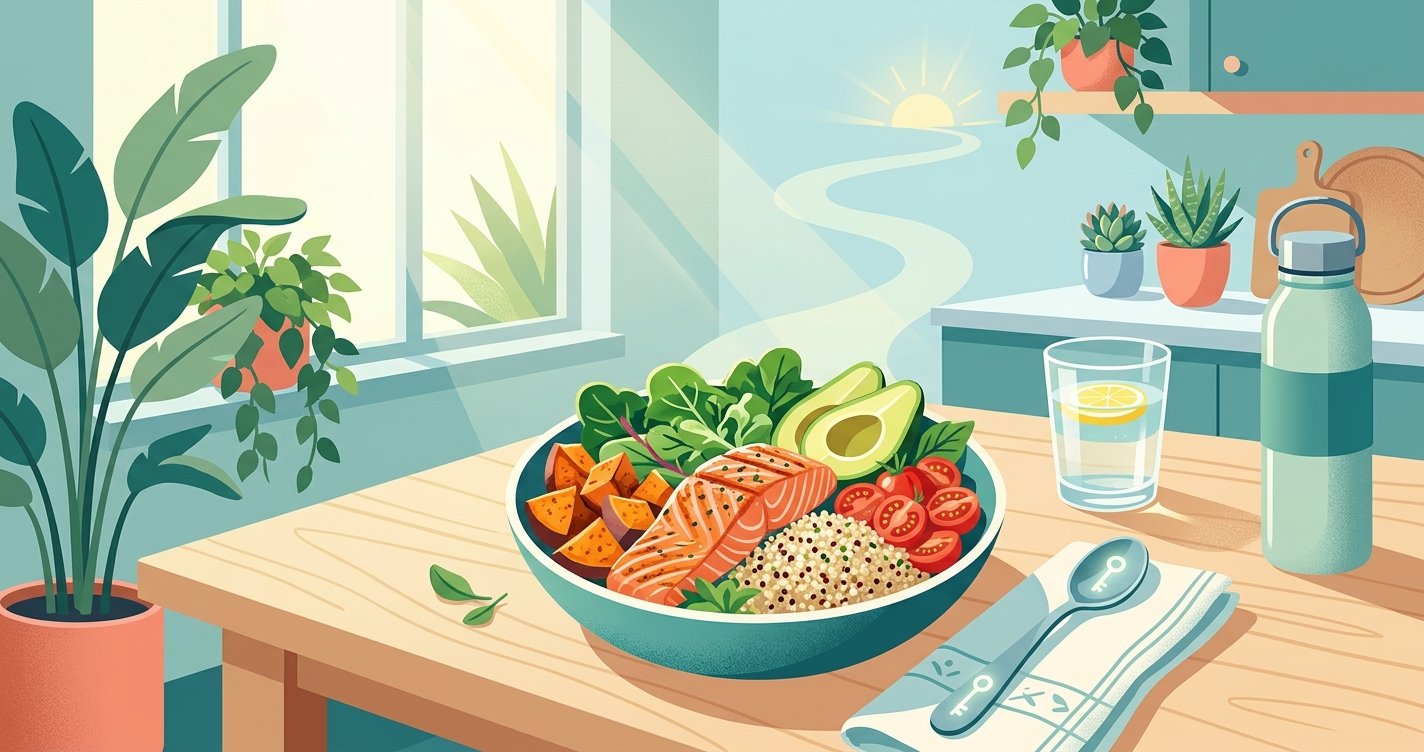
Unlock Sustainable Fat Loss: Your Gentle Guide to a Calorie Deficit Without Extreme Dieting
Have you ever felt trapped in the cycle of extreme dieting? One day you’re meticulously counting every crumb, the next you’re feeling deprived, ravenous, and ready to throw in the towel. It’s a frustrating and all-too-common experience that often leaves us feeling defeated and further away from our fat loss goals. But what if we told you there’s a kinder, more sustainable path to shedding unwanted fat without the misery of extreme restriction?
At the heart of all fat loss lies a fundamental principle: the calorie deficit. However, understanding this concept isn't about starvation; it's about smart, gentle adjustments that your body and mind can happily sustain. This guide will demystify the calorie deficit, showing you how to achieve meaningful, long-term fat loss by making informed choices, not by punishing yourself. this excellent wellness product
What Exactly IS a Calorie Deficit, Anyway?
Let's strip away the jargon and get to the core. A calorie deficit simply means you're consuming fewer calories than your body burns each day. Think of your body like a car. To move, it needs fuel (calories). If you put in less fuel than it needs for its journey, it starts tapping into its reserves – and for us, those reserves are stored body fat. When your body consistently needs more energy than you provide through food, it turns to stored fat for fuel, leading to fat loss.
It’s important to distinguish this from calorie deprivation. A deficit is a controlled, mindful reduction, not a drastic cut that leaves you feeling constantly hungry and depleted. The goal is to create a small, manageable energy gap that encourages your body to use fat stores without triggering survival mode or causing adverse health effects.
Beyond the Basics: How Your Body Uses Calories
To create an effective calorie deficit, it helps to understand where your body's energy goes. Your Total Daily Energy Expenditure (TDEE) is the total number of calories your body burns in a day, and it's made up of several components:
- Basal Metabolic Rate (BMR): The calories your body burns at rest to perform basic functions like breathing, circulation, and cell production. This accounts for the largest portion of your daily calorie burn.
- Non-Exercise Activity Thermogenesis (NEAT): Calories burned through everyday movements not classified as formal exercise, such as walking, fidgeting, typing, and even standing.
- Thermic Effect of Food (TEF): The energy your body uses to digest, absorb, and metabolize the food you eat. Protein has a higher TEF than carbs or fats.
- Exercise Activity Thermogenesis (EAT): Calories burned during structured exercise like running, weightlifting, or playing sports.
Understanding these components helps you see that fat loss isn't just about hitting the gym hard; it's about optimizing your entire day's energy balance.
Calculating Your Sweet Spot: Not Too Much, Not Too Little
The idea is to find a deficit that is effective but not extreme. A good starting point for sustainable fat loss is typically a deficit of 250-500 calories per day. This usually translates to a healthy weight loss of about 0.5 to 1 pound per week. Why not more?
- Extreme Deficits are Unsustainable: Large deficits often lead to intense hunger, fatigue, irritability, and nutrient deficiencies, making them almost impossible to stick to long-term.
- Muscle Loss Risk: When your body enters a severe deficit, it may start breaking down muscle tissue for energy, not just fat. Muscle is metabolically active and crucial for a healthy metabolism.
- Metabolic Slowdown: Your body is smart. If it senses prolonged starvation, it can adapt by slowing down your metabolism to conserve energy, making further fat loss even harder.
You can estimate your TDEE using online calculators (search for 'TDEE calculator') which take into account your age, gender, height, weight, and activity level. Remember, these are estimates. The best approach is to start with a calculated deficit, track your progress, and adjust as needed.
Fueling Your Deficit: Smart Food Choices for Satiety and Success
Creating a calorie deficit doesn't mean eating less; it means eating smarter. Focus on nutrient-dense foods that keep you full and satisfied, making the deficit feel effortless rather than restrictive.
Protein Power
Protein is your best friend for fat loss. It’s highly satiating, meaning it keeps you feeling full for longer, reducing cravings. It also has a higher thermic effect, burning more calories during digestion. Crucially, adequate protein intake helps preserve muscle mass during a calorie deficit. Aim for lean sources like chicken breast, fish, eggs, Greek yogurt, tofu, and legumes.
Fiber-Rich Friends
Fiber adds bulk to your meals without adding many calories. Found in fruits, vegetables, whole grains, and legumes, fiber helps slow digestion, promotes satiety, and supports a healthy gut. Load up on salads, incorporate whole grains like oats and quinoa, and snack on berries.
Healthy Fats for Hormones
While fats are calorie-dense, healthy fats are essential for hormone production, nutrient absorption, and overall satiety. Don't cut them out entirely! Incorporate sources like avocados, nuts, seeds, and olive oil in moderation to ensure your body functions optimally and you feel satisfied.
Hydration Heroes
Often overlooked, water plays a crucial role. Staying well-hydrated can help manage hunger cues (sometimes thirst is mistaken for hunger) and supports all metabolic processes. Make water your primary beverage choice.
Beyond the Plate: Lifestyle Factors That Support Your Journey
Fat loss isn't just about what you eat; it's a holistic process influenced by your entire lifestyle.
The Role of Movement
While diet is paramount for a calorie deficit, physical activity increases your TDEE, giving you more flexibility with your food intake or accelerating your fat loss. Focus on a mix of:
- Strength Training: Builds and preserves muscle, which boosts your metabolism.
- Cardio: Burns calories and improves cardiovascular health.
- NEAT: Simple daily movements like taking the stairs, parking further away, or going for a walk add up significantly.
Sleep Your Way Leaner
Quality sleep is non-negotiable for fat loss. Poor sleep disrupts hormones like ghrelin (which stimulates hunger) and leptin (which signals fullness), leading to increased cravings, especially for high-calorie foods. Aim for 7-9 hours of quality sleep per night.
Stress Less, Lose More
Chronic stress elevates cortisol levels, a hormone that can promote fat storage, especially around the belly. Find healthy ways to manage stress, whether it's meditation, spending time in nature, hobbies, or connecting with loved ones.
Common Pitfalls and How to Avoid Them
Even with the best intentions, the journey can have bumps. Here are some common traps and how to navigate them:
- Over-Restricting and Bingeing: This is the classic boom-and-bust cycle. A gentle deficit prevents extreme hunger that often leads to overeating.
- Ignoring Hunger Cues: Learn to differentiate true hunger from emotional eating or boredom. Listen to your body and fuel it appropriately with nutrient-rich foods.
- Obsessing Over the Scale: Your weight can fluctuate daily due to water, hormones, and digestion. Focus on trends over weeks, and consider other metrics like body measurements and how your clothes fit.
- Not Adjusting as You Progress: As you lose weight, your TDEE decreases because there's less of you to move around. You'll need to periodically re-evaluate and slightly adjust your calorie intake to continue making progress.
Your Gentle Path Forward: Making It Sustainable
Sustainable fat loss isn't about perfection; it's about consistency and progress. Embrace the process with patience and self-compassion. There will be days when you go over your calorie target, and that’s perfectly okay. One meal or one day doesn't derail your entire journey.
Focus on building healthy habits that you can maintain for life. Prioritize whole, unprocessed foods, move your body regularly, get adequate sleep, and manage stress. These pillars, combined with a gentle, consistent calorie deficit, are the true keys to not just losing fat, but keeping it off for good.
You have the power to transform your body and your relationship with food, not through deprivation, but through understanding, balance, and kindness to yourself. Start today, and discover the gentle path to sustainable fat loss.