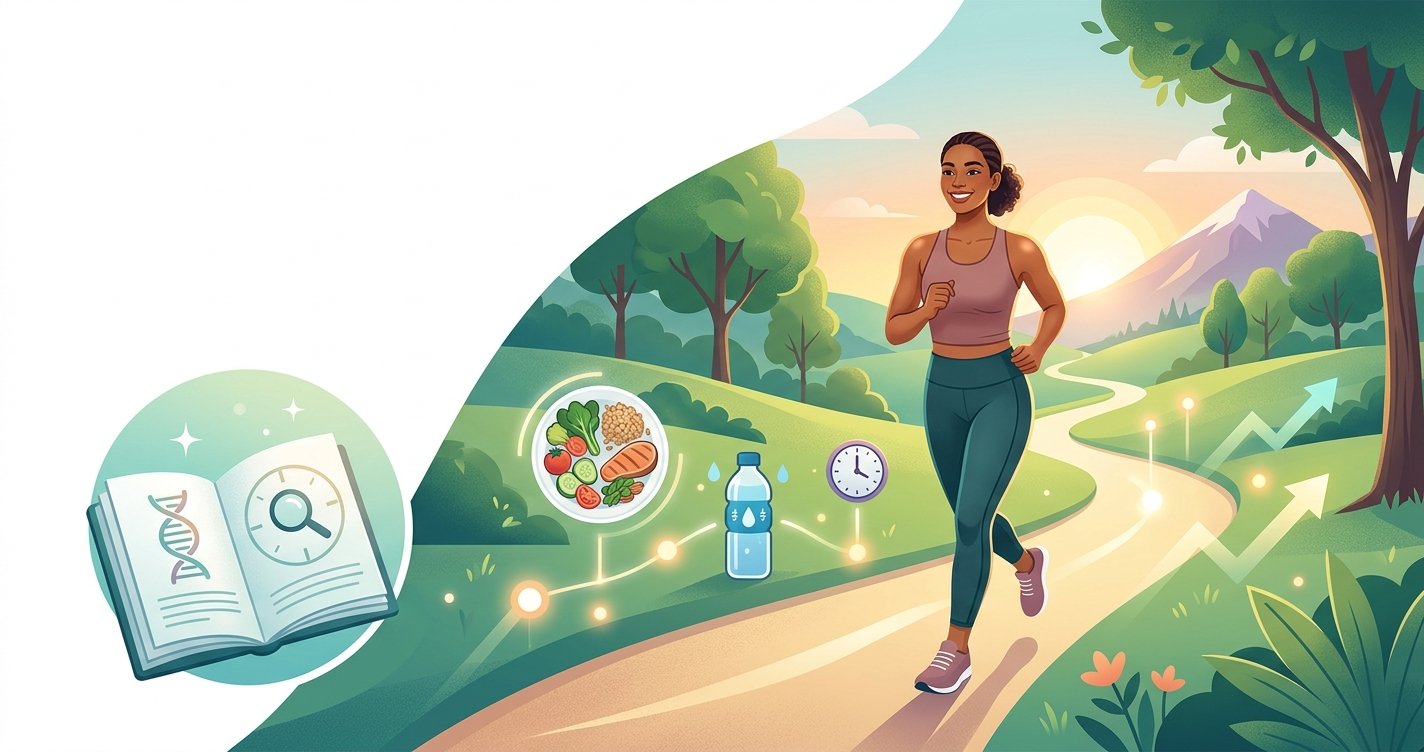
Unlock Sustainable Fat Loss: Your Friendly, Evidence-Based Guide to Lasting Results
Tired of the endless cycle of restrictive diets, intense workout binges, and disappointing plateaus? You're not alone. Many of us have been caught in the trap of quick fixes, only to find ourselves back where we started, often feeling more frustrated and disheartened than before. The truth is, sustainable fat loss isn't about deprivation or extreme measures; it's about understanding your body, nourishing it wisely, and integrating healthy habits into your everyday life. This isn't a race; it's a journey towards a healthier, happier you.
In this guide, we're ditching the fads and focusing on what truly works: an evidence-based approach to fat loss that prioritizes balance, consistency, and long-term well-being. Get ready to transform your relationship with food, movement, and yourself, paving the way for lasting results. this excellent wellness product
The Foundation: Understanding Your Caloric Balance
At its core, fat loss boils down to a simple principle: consuming fewer calories than your body burns. This creates a 'calorie deficit,' prompting your body to tap into its stored fat for energy. While simple in theory, it's often misunderstood and oversimplified.
Why Calories Still Matter (But Aren't Everything)
Think of calories as your body's energy currency. Every activity, from breathing to exercising, requires energy. If you consistently provide more energy than you expend, your body stores the excess, often as fat. Conversely, a consistent, moderate deficit leads to fat loss. However, focusing solely on calorie counting without considering the quality of those calories is like trying to build a house with only a hammer – you need a full toolkit!
Finding Your Sweet Spot: Calorie Deficit Explained
A healthy and sustainable calorie deficit is typically 300-500 calories below your daily maintenance level. This allows for gradual fat loss (around 1-2 pounds per week) without slowing down your metabolism or leaving you feeling constantly hungry and deprived. Online calculators can provide an estimate of your maintenance calories, but listening to your body and tracking your progress are key to fine-tuning this number.
Fueling Your Body Right: Nutrition for Fat Loss
What you eat is just as, if not more, important than how much you eat. Quality nutrition provides essential nutrients, supports satiety, and fuels your body for optimal function and fat burning.
The Power of Protein: Build Muscle, Burn Fat
Protein is your secret weapon for fat loss. It's incredibly satiating, meaning it keeps you feeling full longer, reducing the urge to snack. Furthermore, protein has a higher thermic effect, meaning your body burns more calories digesting it compared to carbs or fats. Crucially, adequate protein intake helps preserve muscle mass during a calorie deficit, which is vital because muscle burns more calories at rest than fat does.
- Good sources: Lean meats, poultry, fish, eggs, dairy (Greek yogurt, cottage cheese), legumes, tofu, protein powder.
Don't Fear the Carbs (Choose Wisely!)
Carbohydrates have gotten a bad rap, but they are your body's primary energy source. The key is to choose complex carbohydrates over refined ones. Complex carbs (found in whole grains, fruits, vegetables) are rich in fiber, providing sustained energy, promoting satiety, and supporting gut health. Refined carbs (white bread, sugary drinks, pastries) lead to rapid blood sugar spikes and crashes, often leaving you hungry shortly after.
Healthy Fats: Your Hormonal Allies
While fat is calorie-dense, healthy fats are essential for hormone production, nutrient absorption, and overall health. They also contribute to satiety. Focus on unsaturated fats and omega-3 fatty acids, and consume them in moderation.
- Good sources: Avocados, nuts, seeds, olive oil, fatty fish (salmon, mackerel).
Fiber Up: Fullness and Gut Health
Fiber is a non-negotiable for sustainable fat loss. It adds bulk to your meals without adding calories, helping you feel full and satisfied. It also aids digestion, stabilizes blood sugar levels, and supports a healthy gut microbiome, which plays a surprising role in weight management.
- Good sources: Vegetables, fruits (especially with skins), whole grains, legumes, nuts, seeds.
Move Your Body: Exercise Strategies for Results
Exercise isn't just about burning calories; it's about building strength, boosting your metabolism, improving mood, and enhancing overall health. A balanced approach combines different types of movement.
Strength Training: Your Metabolism's Best Friend
If you're not lifting weights, you're missing out on a huge fat-loss advantage! Strength training builds muscle, and more muscle means a higher resting metabolic rate – you burn more calories even when you're not working out. Aim for 2-4 sessions per week, focusing on compound movements (squats, deadlifts, presses) that work multiple muscle groups.
Cardio: The Heart-Healthy Fat Burner
Cardiovascular exercise is excellent for burning calories, improving heart health, and boosting endurance. Don't feel you need to spend hours on a treadmill. Incorporate a mix of moderate-intensity cardio (brisk walking, cycling, swimming) and occasional high-intensity interval training (HIIT) for efficient calorie burn and metabolic boost.
NEAT: The Unsung Hero of Daily Activity
NEAT (Non-Exercise Activity Thermogenesis) refers to the calories you burn doing everyday activities that aren't formal exercise. Think walking, fidgeting, taking the stairs, gardening, or cleaning. Increasing your NEAT throughout the day can significantly contribute to your overall calorie expenditure and prevent a sedentary lifestyle from sabotaging your efforts. Get up and move frequently!
Beyond the Plate and Gym: Lifestyle Factors that Matter
Fat loss isn't just about diet and exercise; it's a holistic process influenced by many aspects of your lifestyle. Ignoring these can make your journey much harder.
Sleep Your Way to a Leaner You
Lack of sleep can wreak havoc on your hormones, increasing ghrelin (the hunger hormone) and decreasing leptin (the satiety hormone). This makes you feel hungrier and less satisfied, often leading to increased calorie intake and cravings for unhealthy foods. Aim for 7-9 hours of quality sleep per night to support your body's natural fat-burning processes.
Stress Less, Lose More: The Cortisol Connection
Chronic stress triggers the release of cortisol, a hormone that can promote fat storage, especially around the abdominal area. High cortisol levels can also increase cravings for sugary, high-fat foods. Incorporate stress-reducing activities into your routine: meditation, yoga, spending time in nature, or hobbies you enjoy.
Hydration: Simple, Yet Powerful
Water is often overlooked but plays a crucial role in metabolism, satiety, and overall health. Sometimes, what feels like hunger is actually thirst. Drinking plenty of water can help you feel fuller, support nutrient transport, and aid in fat metabolism. Aim for at least 8 glasses a day, more if you're active.
The Mindset Shift: Cultivating Sustainable Habits
Sustainable fat loss is more about consistency and mindset than perfection. It's a marathon, not a sprint.
Patience and Consistency: Your New Best Friends
Results don't happen overnight. There will be good days and challenging days. The key is to stay consistent with your healthy habits most of the time. Celebrate small victories and learn from setbacks without letting them derail your entire journey.
Listening to Your Body: Mindful Eating
Move away from restrictive rules and towards mindful eating. Pay attention to your body's hunger and fullness cues. Eat slowly, savor your food, and notice how different foods make you feel. This practice helps you build a healthier relationship with food and prevents overeating.
The Power of Small, Consistent Changes
Don't try to overhaul everything at once. Start with one or two small, manageable changes – like adding protein to every meal, taking a 20-minute walk daily, or ensuring you drink enough water. Once these become habits, gradually add more. Small changes accumulate into significant, lasting results.
Common Pitfalls to Avoid
Awareness of common mistakes can help you navigate your journey more smoothly.
The "All or Nothing" Trap
One slip-up doesn't ruin your progress. Don't let a single 'bad' meal or missed workout turn into a week of unhealthy choices. Acknowledge it, learn from it, and get back on track with your next meal or workout.
Over-Restricting and Binge Cycles
Extreme calorie restriction is unsustainable and often leads to intense cravings, binges, and a damaged metabolism. Focus on a moderate deficit and nourishing your body adequately to avoid this detrimental cycle.
Ignoring Progress Beyond the Scale
The scale is just one metric. Celebrate non-scale victories too! Are your clothes fitting better? Do you have more energy? Are you stronger? Are you sleeping better? These are all signs of progress and overall health improvement that often get overlooked.
Your Journey to Lasting Fat Loss Starts Now
Sustainable fat loss isn't about chasing a number on the scale; it's about building a healthier lifestyle that supports your body and mind for the long run. By focusing on balanced nutrition, effective exercise, crucial lifestyle factors, and a positive mindset, you're not just losing fat – you're gaining health, energy, and confidence. Embrace the process, be kind to yourself, and trust that consistent effort will lead to the lasting results you desire. You've got this!