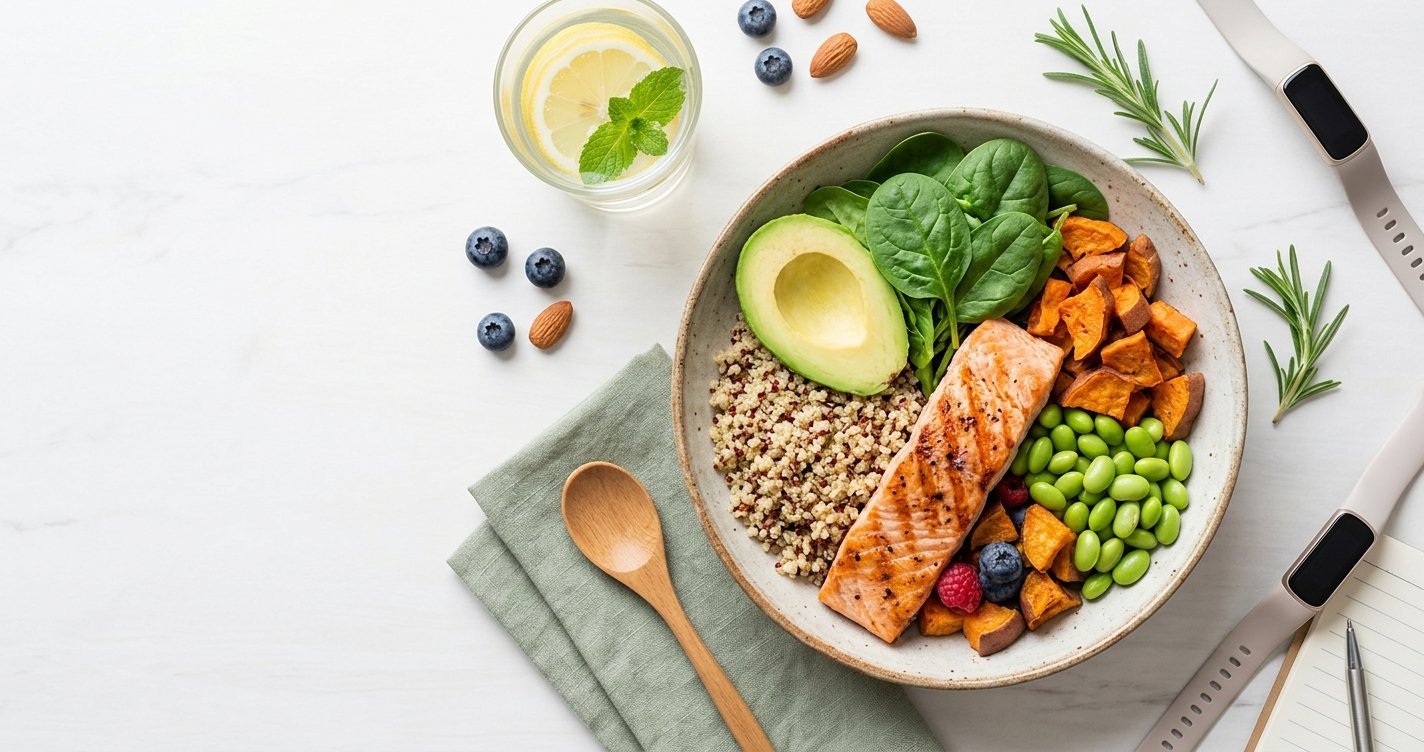
Tired of Yo-Yo Diets? Discover the Science of Sustainable Fat Loss!
You’ve tried the restrictive diets, the quick fixes, and the latest trends, only to find yourself back where you started, or even further behind. Sound familiar? It’s a common story, and it’s not your fault. The world of fat loss is often riddled with misinformation, leading many to believe that extreme measures are the only path to success. But what if there was a simpler, more sustainable way to achieve lasting results without sacrificing your favorite foods or your sanity?
Welcome to the evidence-based approach to fat loss, where we ditch the fads and focus on the fundamental principles that truly work. This guide will empower you with the knowledge to understand and implement two non-negotiable pillars of effective fat loss: creating a smart calorie deficit and mastering your macronutrient balance. Get ready to transform your body, boost your energy, and cultivate a healthier relationship with food, all while building habits that last a lifetime. Let’s dive in! this excellent wellness product
The Core Principle: Understanding the Calorie Deficit
At its heart, fat loss boils down to a fundamental equation: you must consume fewer calories than your body expends. This state is known as a calorie deficit. Think of your body as a car and calories as fuel. If you put less fuel in than the car uses, it starts tapping into its reserves – in our case, stored body fat.
It sounds simple, and in theory, it is. But many people either cut too drastically (leading to fatigue, nutrient deficiencies, and eventual rebound) or don’t cut enough to see consistent progress. The key is finding your sweet spot.
How to Create a Smart Calorie Deficit
First, you need an estimate of how many calories your body uses daily – your Total Daily Energy Expenditure (TDEE). This includes your Basal Metabolic Rate (BMR – calories burned at rest) plus calories burned through activity. While precise calculation can be complex, many online calculators can give you a good starting point based on your age, sex, weight, height, and activity level.
Once you have your TDEE, aim to create a deficit of 300-500 calories per day. This moderate deficit is generally considered safe and sustainable, allowing for a healthy fat loss rate of 1-2 pounds per week for most individuals. A deficit too large can lead to muscle loss, metabolic slowdown, and make adherence incredibly difficult. Remember, consistency over perfection is the name of the game!
Beyond Calories: The Power of Macronutrient Balance
While a calorie deficit is essential, simply eating fewer calories isn't enough for optimal health and body composition. The types of calories you consume – your macronutrients – play a crucial role in satiety, energy levels, muscle preservation, and overall well-being during your fat loss journey.
Macronutrients are protein, carbohydrates, and fats. Each has unique functions and impacts your body differently. Balancing them correctly can make your calorie deficit feel much easier to maintain and ensure you’re losing fat, not valuable muscle mass.
Protein: Your Fat Loss MVP
If there's one macronutrient to prioritize during fat loss, it's protein. Here's why it's so critical:
- Satiety: Protein is incredibly filling. Including adequate protein in your meals helps you feel fuller for longer, reducing cravings and overeating.
- Muscle Preservation: When you're in a calorie deficit, your body can sometimes break down muscle tissue for energy. A high protein intake signals to your body to preserve muscle, ensuring that the weight you lose is primarily fat.
- Thermic Effect: Protein has a higher thermic effect of food (TEF) than carbs or fats. This means your body burns more calories digesting and metabolizing protein.
Recommendation: Aim for 1.6 to 2.2 grams of protein per kilogram of body weight (or 0.7 to 1 gram per pound of body weight) daily. Focus on lean sources like chicken breast, turkey, fish, lean beef, eggs, Greek yogurt, cottage cheese, legumes, and protein supplements.
Carbohydrates: Friend or Foe?
Carbohydrates often get a bad rap in the fat loss world, but they are far from the enemy! Carbs are your body's primary source of energy, fueling your workouts and daily activities. The key is to choose the right kind of carbs.
- Complex Carbs: These are your best friends. Found in whole grains (oats, brown rice, quinoa), fruits, and vegetables, they provide sustained energy, fiber (which aids digestion and satiety), and essential micronutrients.
- Simple Carbs (in moderation): Sugary drinks, candies, and highly processed snacks offer quick energy but often lead to energy crashes and contribute to excess calorie intake without much nutritional value. While they can have a place, especially around intense workouts, limit them for general fat loss.
Recommendation: Focus on whole, unprocessed carbohydrate sources. The exact amount will depend on your activity level and individual preference, but they should make up a significant portion of your diet to provide energy and fiber.
Fats: Essential for Health and Hormones
Healthy fats are vital for hormone production, nutrient absorption (especially fat-soluble vitamins A, D, E, K), brain health, and providing a sense of satiety. Just like carbs, the type of fat matters.
- Unsaturated Fats: These are your healthy fats! Found in avocados, nuts, seeds, olive oil, and fatty fish (like salmon), they are crucial for overall health.
- Saturated Fats: Found in animal products and some plant oils (like coconut oil), consume these in moderation.
- Trans Fats: Avoid these entirely. Often found in processed foods, they are detrimental to heart health.
Remember that fats are calorie-dense (9 calories per gram compared to 4 for protein and carbs), so portion control is important even with healthy fats. Don't be afraid of them, but be mindful of how much you're consuming.
Practical Strategies for Implementing Your Plan
Knowing the science is one thing, but putting it into practice is where the real magic happens. Here are actionable tips to help you integrate calorie deficit and macronutrient balance into your daily life:
Mindful Eating and Portion Control
Even without strict tracking, practicing mindful eating can make a huge difference. Pay attention to your hunger and fullness cues. Eat slowly, savor your food, and put your fork down between bites. Use smaller plates to help manage portions visually. Understand what a serving size looks like for different foods.
Meal Planning and Preparation
Failing to plan is planning to fail, especially in fat loss. Dedicate some time each week to plan your meals and snacks. Prepare healthy options in advance (e.g., cook a batch of chicken, chop vegetables, portion out snacks). This reduces the likelihood of impulsive, unhealthy food choices when hunger strikes.
Tracking (As a Tool, Not a Punishment)
For some, tracking calories and macros using an app can be incredibly insightful, especially in the beginning. It helps you understand exactly what you're eating and where your calories are coming from. Think of it as a learning tool, not a life sentence. You don't have to track forever, but a few weeks can teach you valuable lessons about portion sizes and food composition.
Hydration: The Unsung Hero
Often overlooked, adequate water intake is crucial. Sometimes, thirst can be mistaken for hunger. Drinking plenty of water throughout the day can help manage appetite, boost metabolism, and keep your body functioning optimally. Aim for at least 8 glasses (around 2-3 liters) daily, more if you're active.
Sleep and Stress Management
Believe it or not, how well you sleep and manage stress significantly impacts your ability to lose fat. Lack of sleep can disrupt hormones that regulate appetite (ghrelin and leptin), leading to increased cravings and hunger. Chronic stress can elevate cortisol, which can promote fat storage, especially around the midsection. Prioritize 7-9 hours of quality sleep and incorporate stress-reducing activities like meditation, yoga, or spending time in nature.
The Journey is Yours: Patience, Consistency, and Self-Compassion
Sustainable fat loss is a journey, not a race. There will be days when you're perfectly on track and days when you slip up. That's okay! What matters most is consistency over time and how you respond to those setbacks. Don't let one less-than-perfect meal derail your entire week. Get back on track with your next meal, learn from the experience, and move forward.
Be patient with your body. Fat loss isn't always linear, and weight fluctuations are normal. Focus on developing healthy habits that you can maintain for the long term. Celebrate your small victories, acknowledge your progress, and most importantly, be kind to yourself. This is about building a healthier, stronger, and more confident you, inside and out.
Your Path to Lasting Transformation Begins Now
By understanding and applying the principles of a smart calorie deficit and balanced macronutrient intake, you're not just losing weight; you're building a foundation for lifelong health and well-being. This isn't about deprivation; it's about empowerment through knowledge and making informed choices that serve your body and your goals.
Embrace this evidence-based approach, arm yourself with patience and consistency, and watch as you unlock sustainable fat loss that truly lasts. Your journey to a healthier, happier you starts today!