Unlock Sustainable Fat Loss: Your Friendly Guide to Protein, Carbs, and Fats
So, you're on a journey to shed some body fat, improve your health, and feel fantastic. That's wonderful! But if you've ever felt overwhelmed by conflicting diet advice, endless calorie counting, or the frustration of yo-yo dieting, you're not alone. Many people focus solely on 'eating less' without truly understanding what they're eating and, more importantly, why it matters. The secret to sustainable fat loss isn't just about restriction; it's about smart nutrition – and that starts with mastering your macronutrients.
Forget extreme diets and quick fixes. This guide is all about empowering you with evidence-based knowledge to build a balanced, enjoyable eating plan that supports lasting fat loss, boosts your energy, and keeps you feeling satisfied. We'll dive into the world of protein, carbohydrates, and fats, explaining their unique roles and how to optimize them for your goals. Ready to transform your approach to food and finally achieve the results you've been working for? Let's get started! this excellent wellness product
What Are Macronutrients, Anyway? Your Body's Essential Building Blocks
Before we dive deep, let's quickly define what we mean by 'macronutrients.' Simply put, these are the nutrients your body needs in large amounts to function properly, provide energy, and support all its vital processes. They are:
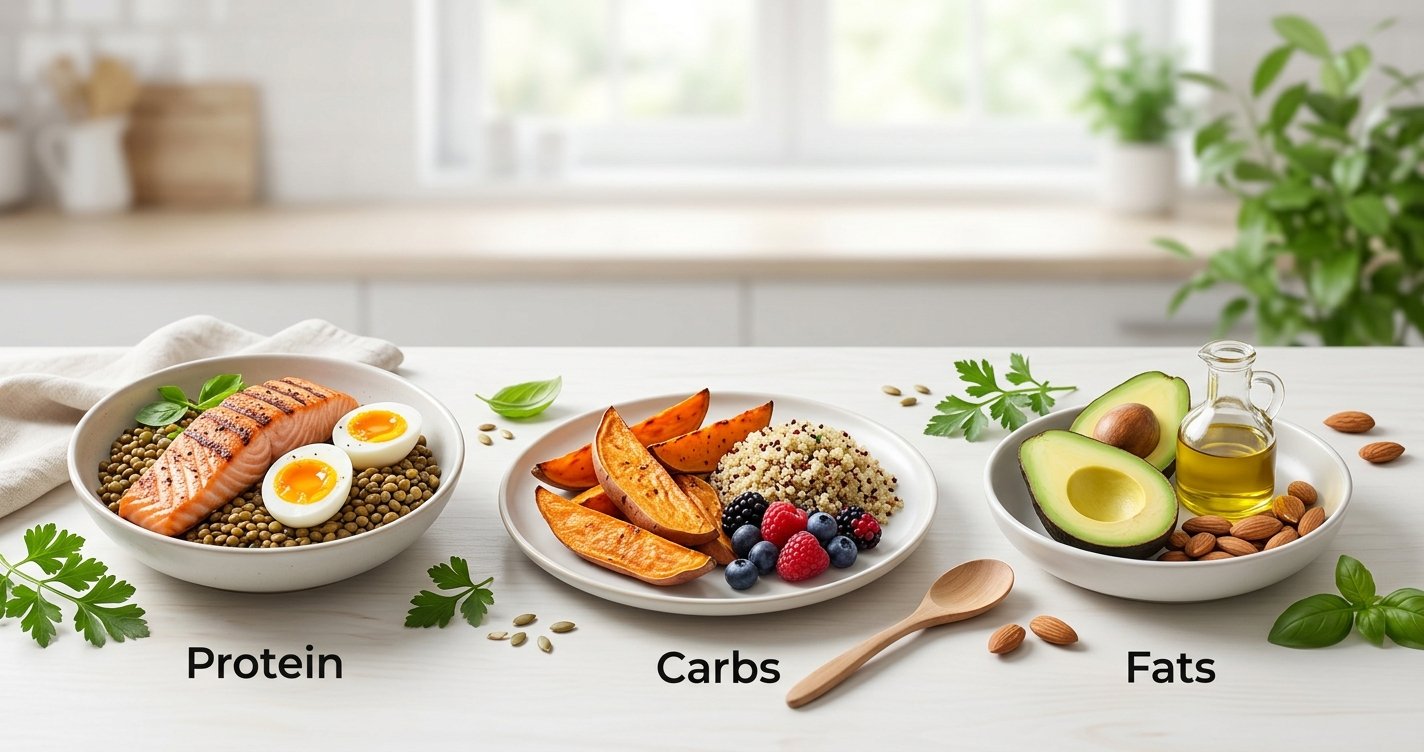
- Protein: Essential for building and repairing tissues, making enzymes and hormones, and supporting immune function.
- Carbohydrates: Your body's primary source of energy, fueling your brain, muscles, and organs.
- Fats: Crucial for hormone production, nutrient absorption, cell function, and providing a concentrated source of energy.
Each macro plays a distinct and vital role. Thinking of them as mere calories is like saying a car needs 'fuel' without distinguishing between gasoline, oil, or brake fluid. They all contribute, but each does something different and important for optimal performance.
Protein: Your Fat Loss Powerhouse and Satiety Superstar
If there's one macronutrient that deserves a gold medal in the fat loss olympics, it's protein. Why is it so crucial?
1. The Satiety Factor: Feel Fuller, Longer
Protein is incredibly effective at making you feel full and satisfied. When you eat protein, it triggers the release of hormones that signal fullness to your brain. This means less mindless snacking and fewer cravings, naturally helping you reduce your overall calorie intake without feeling deprived.
2. The Thermic Effect of Food (TEF): Burn More Calories Digestion
Did you know your body expends energy just to digest food? This is known as the Thermic Effect of Food (TEF). Protein has the highest TEF of all macronutrients, meaning your body burns more calories breaking down and processing protein than it does for carbs or fats. It's a small but significant metabolic boost!
3. Muscle Preservation: Protect Your Metabolism
When you're in a calorie deficit for fat loss, your body can sometimes break down muscle tissue for energy, not just fat. This is bad news, as muscle is metabolically active, meaning it burns more calories at rest than fat does. Adequate protein intake helps preserve your precious muscle mass, ensuring that the weight you lose is primarily fat, and keeping your metabolism humming.
Practical Protein Tips:
- Aim for 20-30 grams of protein at each main meal.
- Include lean protein sources like chicken breast, turkey, fish, lean beef, eggs, Greek yogurt, cottage cheese, tofu, lentils, and beans.
- Consider a protein shake post-workout or as a convenient snack if needed.
Carbohydrates: Fueling Your Journey, Wisely
Carbohydrates often get a bad rap in the fat loss world, but they are far from the enemy! Carbs are your body's preferred source of energy, essential for brain function, physical activity, and overall vitality. The key is choosing the right types of carbs and understanding portion sizes.
1. Complex vs. Simple: Quality Over Quantity
Not all carbs are created equal. Focus on complex carbohydrates, which are rich in fiber and digest slowly, providing a steady release of energy and keeping blood sugar levels stable. Examples include whole grains (oats, brown rice, quinoa, whole-wheat bread), starchy vegetables (sweet potatoes, potatoes), and legumes.
Limit simple carbohydrates, such as sugary drinks, candies, pastries, and white bread, which cause rapid spikes in blood sugar, followed by crashes that can leave you feeling hungry and lethargic.
2. The Power of Fiber: Satiety and Gut Health
Fiber, a type of carbohydrate, is your digestive system's best friend and a powerful ally for fat loss. It adds bulk to your meals, helping you feel full, and slows down digestion, further promoting satiety. Plus, it supports a healthy gut microbiome, which is increasingly linked to metabolic health and weight management.
Practical Carb Tips:
- Prioritize whole, unprocessed carb sources.
- Pair your carbs with protein and healthy fats to slow digestion and improve satiety.
- Adjust carb intake based on your activity level; more active days might require more carbs.
Fats: Essential for Health and Hormone Balance
Like carbs, fats have been unfairly demonized. But healthy fats are absolutely vital for your health, hormone production, vitamin absorption, and yes, even fat loss! The trick is choosing the right fats and consuming them in moderation, as they are calorie-dense.
1. Essential Fatty Acids and Hormone Health
Your body can't produce essential fatty acids (like Omega-3s and Omega-6s), so you must get them from your diet. These fats are crucial for brain health, reducing inflammation, and producing hormones that regulate metabolism and appetite.
2. Nutrient Absorption and Satiety
Healthy fats help your body absorb fat-soluble vitamins (A, D, E, K). They also contribute to satiety, helping to keep hunger at bay between meals.
Practical Fat Tips:
- Focus on unsaturated fats: avocados, nuts, seeds, olive oil, fatty fish (salmon, mackerel).
- Limit trans fats (found in many processed foods) and excessive saturated fats.
- Remember that fats are calorie-dense (9 calories per gram vs. 4 for protein/carbs), so portion control is key. A tablespoon of oil or a quarter of an avocado is often enough per meal.
Bringing It All Together: Crafting Your Plate for Lasting Success
Understanding each macronutrient is step one. Step two is learning how to combine them effectively on your plate! The ideal macro balance isn't a one-size-fits-all formula; it depends on your activity level, body composition, and personal preferences. However, a general guideline for fat loss often leans towards a higher protein intake, moderate healthy fats, and a carb intake adjusted to your activity.
Key Principles for Macro-Optimized Meals:
- Prioritize Protein: Make protein the star of every meal. It's your foundation for satiety and muscle preservation.
- Fill Up on Fiber: Load up on non-starchy vegetables (broccoli, spinach, bell peppers) and include whole grains or legumes for complex carbs.
- Include Healthy Fats: Add a modest serving of healthy fats for nutrient absorption and hormone support.
- Listen to Your Body: Pay attention to your hunger and fullness cues. Adjust portions as needed.
- Focus on Whole Foods: Unprocessed foods provide more nutrients and fiber, and are generally more satisfying than their processed counterparts.
Remember, a calorie deficit is still necessary for fat loss. However, optimizing your macronutrients ensures that this deficit is achieved in a way that preserves muscle, keeps you full, and supports your overall health, making the process much more sustainable and enjoyable.
Beyond the Macros: Holistic Habits for Fat Loss
While macronutrients are a powerful lever for fat loss, remember they are part of a larger picture. Don't forget these crucial supporting pillars:
- Hydration: Drink plenty of water throughout the day. It supports metabolism, helps with satiety, and is vital for overall health.
- Sleep: Quality sleep is non-negotiable. Poor sleep can disrupt hunger hormones (ghrelin and leptin) and increase cravings.
- Stress Management: Chronic stress can elevate cortisol, a hormone linked to increased fat storage, especially around the midsection. Find healthy ways to manage stress.
- Movement: Regular physical activity, especially strength training, complements your nutrition efforts by building muscle and boosting your metabolism.
Your Sustainable Path Forward
Congratulations! You now have a solid understanding of how protein, carbohydrates, and fats work together to support sustainable fat loss. This isn't about rigid rules or perfect eating; it's about making informed, conscious choices that nourish your body, keep you satisfied, and move you closer to your goals.
Start by making small, consistent changes. Focus on adding more protein to your meals, swapping refined carbs for whole grains, and incorporating healthy fats. Be patient with yourself, celebrate your progress, and remember that this is a journey towards a healthier, happier you – one delicious, macro-optimized meal at a time!