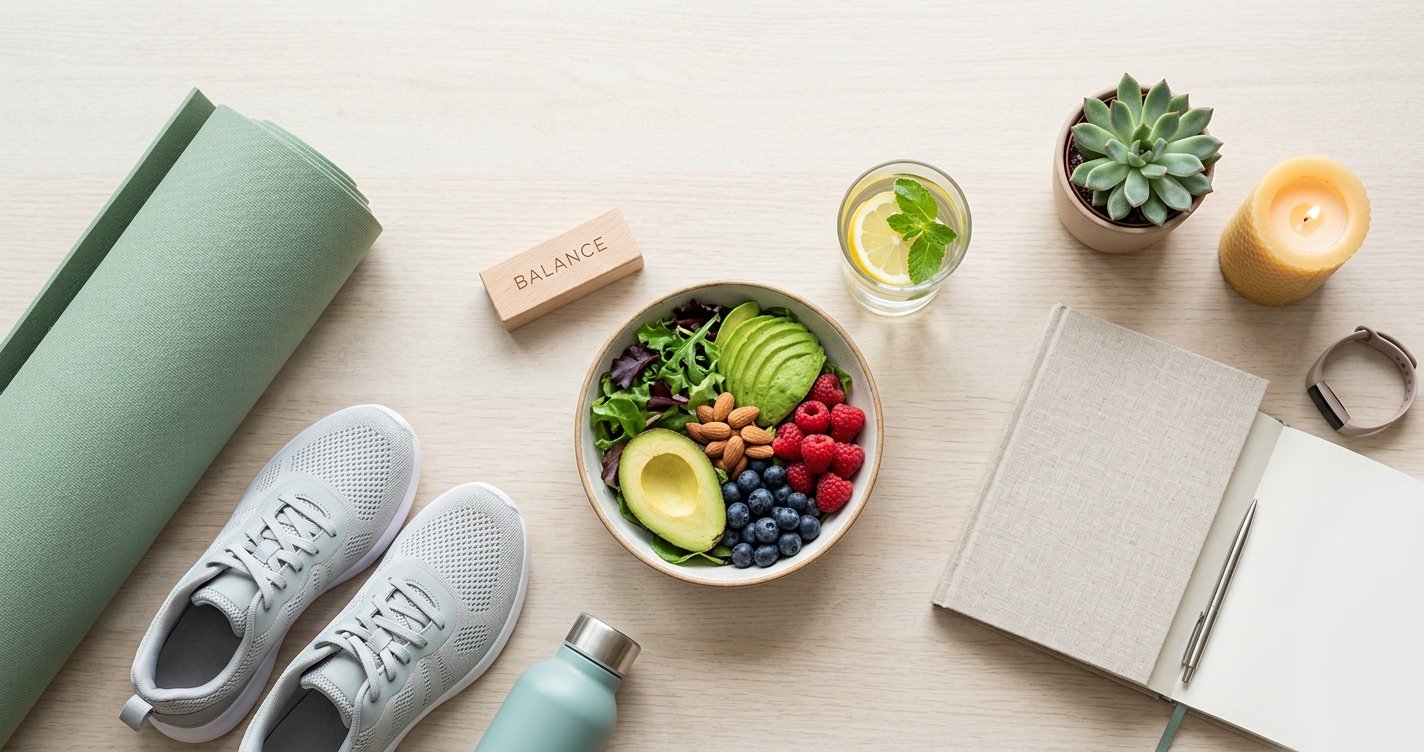
Are you tired of the endless cycle of restrictive diets, intense workouts, and disappointing results when it comes to fat loss? You're not alone. Many people approach fat loss as a sprint, focusing solely on quick fixes and the number on the scale. But what if there was a better way? A sustainable, holistic path that not only helps you shed unwanted fat but also improves your overall health, energy, and well-being?
Welcome to the world of sustainable fat loss – a journey focused on long-term health rather than short-term deprivation. It’s about understanding your body, nourishing it with wholesome foods, moving it joyfully, and cultivating a positive mindset. In this comprehensive guide, we'll dive deep into evidence-based strategies that empower you to achieve lasting fat loss, transforming your relationship with food, exercise, and yourself. Let’s ditch the quick fixes and embrace a lifestyle that truly supports you! this excellent wellness product
Understanding Sustainable Fat Loss: More Than Just a Number on the Scale
Before we dive into the "how," let's clarify the "what." Sustainable fat loss isn't about extreme calorie deficits or grueling workouts that leave you feeling depleted. It's about creating a lifestyle that gently encourages your body to release excess fat while preserving muscle mass and enhancing your metabolic health. It’s a process that respects your body’s natural rhythms and promotes overall vitality.
True sustainable fat loss means:
- Gradual Progress: Aim for a steady loss of 1-2 pounds per week. This pace allows your body to adapt, minimizes muscle loss, and is more maintainable in the long run.
- No Deprivation: You shouldn't feel constantly hungry or deprived. Sustainable methods focus on satiety and nutrient density.
- Improved Health Markers: Beyond weight, look for improvements in energy levels, sleep quality, mood, blood pressure, cholesterol, and blood sugar.
- Long-Term Adherence: The strategies you adopt should be enjoyable and integrate seamlessly into your daily life, not just for a few weeks, but for years to come.
- Mindset Shift: Moving from a "dieting" mentality to a "lifestyle" mentality, where self-care and well-being are prioritized.
The Power of Balanced Nutrition: Fueling Your Body, Not Depriving It
When it comes to fat loss, nutrition is king. But this doesn't mean eating boring, tasteless food. It means making smart, delicious choices that nourish your body and keep you feeling full and satisfied. Forget restrictive diets; think abundance and balance.
Prioritize Whole, Unprocessed Foods
Build your meals around nutrient-dense foods: lean proteins, colorful vegetables, fruits, whole grains, and healthy fats. These foods are packed with vitamins, minerals, and fiber, which are essential for satiety, energy, and optimal bodily functions. Processed foods, on the other hand, often contain empty calories, unhealthy fats, and added sugars that can sabotage your fat loss efforts and leave you feeling sluggish.
Embrace Protein Power
Protein is your best friend for fat loss. It’s highly satiating, meaning it keeps you feeling fuller for longer, reducing the urge to snack. It also has a higher thermic effect, meaning your body burns more calories digesting protein than fats or carbs. Aim for a good source of lean protein at every meal: chicken breast, fish, eggs, Greek yogurt, lentils, beans, tofu, or lean beef.
Don't Fear Healthy Fats
Healthy fats (from avocados, nuts, seeds, olive oil, fatty fish) are crucial for hormone production, nutrient absorption, and satiety. They help stabilize blood sugar and prevent cravings. Just remember they are calorie-dense, so moderation is key.
Fiber Up!
Found in fruits, vegetables, whole grains, and legumes, fiber adds bulk to your meals, aids digestion, and helps you feel full without adding many calories. It also helps regulate blood sugar levels, preventing those energy crashes that often lead to unhealthy snacking.
Mindful Eating: Listen to Your Body
Beyond what you eat, how you eat matters. Practice mindful eating by slowing down, savoring each bite, and paying attention to your body's hunger and fullness cues. Eat when you’re truly hungry, and stop when you’re comfortably full, not stuffed. This practice helps you avoid overeating and fosters a healthier relationship with food.
Movement Matters: Exercise for Fat Loss and Overall Well-being
While nutrition lays the foundation, exercise is the active builder of your fat loss journey. It's not just about burning calories; it's about building muscle, boosting your metabolism, improving mood, and enhancing overall physical health.
Strength Training: Your Metabolic Supercharger
Many people focus solely on cardio for fat loss, but strength training is arguably more critical. Building muscle increases your resting metabolic rate, meaning you burn more calories even when you're not working out! Aim for 2-3 full-body strength training sessions per week. You can use weights, resistance bands, or even your own body weight.
Cardio for Heart Health and Calorie Burn
Cardiovascular exercise, like brisk walking, jogging, cycling, or swimming, is excellent for heart health, improving endurance, and burning calories. Aim for 150-300 minutes of moderate-intensity cardio per week. Find activities you genuinely enjoy to ensure consistency!
Incorporate More Movement into Your Day
Beyond structured workouts, look for opportunities to move more. Take the stairs, walk during phone calls, park further away, or stand while working. These small bursts of activity add up and contribute significantly to your daily energy expenditure.
The Unsung Heroes: Sleep, Stress, and Hydration
Often overlooked, these three pillars play a monumental role in your body's ability to lose fat and maintain overall health.
Sleep Your Way to Success
Lack of sleep wreaks havoc on your hormones. It increases ghrelin (the hunger hormone) and decreases leptin (the satiety hormone), leading to increased appetite and cravings, especially for high-carb, sugary foods. Aim for 7-9 hours of quality sleep per night to optimize your body’s fat-burning potential and improve recovery. Create a consistent sleep schedule and a relaxing bedtime routine.
Manage Stress Effectively
Chronic stress triggers the release of cortisol, a hormone that can promote fat storage, particularly around the abdomen. Find healthy ways to manage stress: meditation, yoga, spending time in nature, hobbies, or connecting with loved ones. Prioritizing stress reduction is not a luxury; it's a necessity for sustainable fat loss.
Hydration is Key
Water is vital for countless bodily functions, including metabolism. Drinking enough water can help you feel fuller, boost your metabolism slightly, and aid in nutrient transport and waste removal. Sometimes, what feels like hunger is actually thirst. Aim for at least 8 glasses of water a day, more if you're active.
Mindset and Consistency: Building Lasting Habits
Your mental approach is just as important as your physical actions. Sustainable fat loss is a marathon, not a sprint, and consistency is your most powerful tool.
Be Patient and Kind to Yourself
Results won't happen overnight, and there will be ups and downs. Don't let a "bad day" derail your entire journey. Forgive yourself, learn from it, and get back on track. Celebrate small victories and focus on progress, not perfection.
Set Realistic Goals
Instead of aiming for drastic weight loss in a short period, set achievable, process-oriented goals. For example, "I will eat a serving of vegetables with every meal" or "I will go for a 30-minute walk three times a week." These small, consistent actions build momentum and lead to bigger results.
Find Your "Why"
Why do you want to achieve sustainable fat loss? Is it for more energy, better health, to play with your kids, or to feel more confident? Connecting to your deeper motivation will fuel your commitment when motivation wanes.
Debunking Fat Loss Myths: What to Ignore
The internet is rife with misinformation. Here are a few common myths to steer clear of:
- Spot Reduction: You cannot target fat loss from specific body parts (e.g., doing crunches won't get rid of belly fat alone). Overall fat loss will reduce fat from all areas.
- Magic Pills/Supplements: There are no shortcuts. Sustainable fat loss comes from consistent effort in nutrition and exercise, not from a bottle.
- Extreme Calorie Restriction: Severely cutting calories can slow your metabolism, lead to muscle loss, and is unsustainable, often resulting in rebound weight gain.
- "Good" vs. "Bad" Foods: Labeling foods as strictly good or bad can lead to guilt and an unhealthy relationship with eating. Focus on balance and moderation.
Putting It All Together: Your Actionable Steps Towards a Sustainable You
Ready to start your journey? Here’s a quick recap and some actionable steps:
- Audit Your Diet: Gradually replace processed foods with whole, nutrient-dense options. Increase protein and fiber intake.
- Move Your Body: Incorporate 2-3 strength training sessions and regular cardio each week. Find activities you enjoy!
- Prioritize Sleep: Aim for 7-9 hours of quality sleep.
- Manage Stress: Find effective coping mechanisms that work for you.
- Hydrate: Drink plenty of water throughout the day.
- Practice Mindful Eating: Pay attention to hunger and fullness cues.
- Be Patient & Consistent: Embrace the journey, celebrate progress, and don't strive for perfection.
Sustainable fat loss isn't about chasing a fleeting ideal; it's about building a healthier, happier you from the inside out. It's about empowering yourself with knowledge, making informed choices, and fostering a loving relationship with your body. By adopting these holistic, evidence-based strategies, you're not just losing fat; you're gaining a lifetime of well-being, energy, and confidence. Embrace the process, be kind to yourself, and watch as you transform into the best version of you. Your sustainable journey starts now!