Tired of Dieting? Discover the Power of Intermittent Fasting for Sustainable Fat Loss!
Have you ever felt caught in a never-ending cycle of restrictive diets, calorie counting, and complicated meal plans, only to feel frustrated and give up? What if there was a simpler, more intuitive approach that not only helps you shed stubborn fat but also boosts your overall health? Enter Intermittent Fasting (IF).
Intermittent Fasting isn't a diet in the traditional sense; it's an eating pattern that focuses on when you eat, rather than solely what you eat. And while it might sound intimidating, with a friendly, evidence-based approach, it can be a powerful tool in your fat loss journey and a sustainable lifestyle change. This guide will walk you through the science, the methods, and the practical tips to help you embrace IF confidently and achieve lasting results. this excellent wellness product
What Exactly is Intermittent Fasting (and Why the Buzz)?
At its core, Intermittent Fasting involves cycling between periods of eating and voluntary fasting. Think of it less as a diet and more as a schedule for your meals. While it might sound like a modern wellness trend, fasting has been a part of human history and culture for centuries, practiced for spiritual, health, and survival reasons.
The current buzz around IF isn't just hype; it's backed by a growing body of scientific research suggesting remarkable benefits, particularly for fat loss, metabolic health, and even longevity. The beauty of IF lies in its simplicity: no special foods to buy, no complex recipes to follow, and often, it streamlines your day by reducing meal preparation time.
The key misunderstanding many people have is equating intermittent fasting with starvation. This couldn't be further from the truth. During your eating window, you consume your regular, healthy meals. The fasting window is simply a period where you abstain from calorie-containing foods and drinks, typically for 12-16 hours, allowing your body to switch its energy source.
The Science Behind the Fast: How IF Helps You Lose Fat
So, how does simply changing your eating schedule lead to fat loss? The magic of Intermittent Fasting happens on a cellular and hormonal level. When you fast, several beneficial processes kick in:
Insulin Sensitivity & Fat Burning
Perhaps the most significant mechanism for fat loss with IF is its impact on insulin. When you eat, your body releases insulin to shuttle glucose (sugar) from your bloodstream into your cells for energy. High, frequent insulin levels signal your body to store fat and can make it harder to access existing fat stores for energy.
During a fast, your insulin levels drop significantly. Lower insulin levels signal your body to switch from burning glucose to burning stored fat for energy. This makes your body more efficient at tapping into those stubborn fat reserves, directly contributing to fat loss.
Human Growth Hormone (HGH) Boost
Studies have shown that fasting can lead to a significant increase in Human Growth Hormone (HGH) levels. HGH is a powerful hormone that plays a crucial role in fat loss, muscle growth, and overall metabolic health. Higher HGH levels during fasting can help you burn fat while preserving precious muscle mass, which is vital for maintaining a healthy metabolism.
Autophagy: Cellular Housekeeping
Another fascinating benefit of fasting is the activation of a process called autophagy, which literally means “self-eating.” This is your body's natural cellular cleansing process, where old, damaged cells are removed and recycled, making way for newer, healthier cells. While not directly a fat-loss mechanism, enhanced autophagy contributes to overall cellular health, reduced inflammation, and improved metabolic function, all of which indirectly support a healthier body composition and more efficient fat loss.
Calorie Reduction (Often Unintentional)
While IF isn't primarily about calorie restriction, eating within a smaller window often naturally leads to consuming fewer calories overall. It's simply harder to overeat in an 8-hour window than it is across a 12-16 hour period. This gentle, often unintentional calorie deficit is a key driver for weight and fat loss, making IF a sustainable approach without the constant need for strict calorie counting.
Popular Intermittent Fasting Methods for Beginners
There are several ways to practice Intermittent Fasting, but for beginners, simplicity and sustainability are key. Let's explore the most common methods:
The 16/8 Method (Our Top Pick for Beginners)
This is by far the most popular and easiest method to adopt. It involves fasting for 16 hours and having an 8-hour eating window. For most people, this means simply skipping breakfast and having your first meal around noon or 1 PM, then finishing your last meal by 8 PM or 9 PM. During your fasting window, you can drink water, black coffee, and unsweetened tea.
- Example: Fast from 8 PM to 12 PM the next day (16 hours), then eat between 12 PM and 8 PM (8 hours).
- Why it works: It's flexible, easily fits into most lifestyles, and often means you're asleep for a significant portion of your fast.
The 5:2 Method (A Different Approach)
With this method, you eat normally for five days of the week and restrict your calorie intake to 500-600 calories on two non-consecutive days. For instance, you might eat normally Monday, Tuesday, Thursday, Saturday, and Sunday, and have your low-calorie days on Wednesday and Friday.
While effective, some people find the restricted calorie days challenging, making 16/8 a gentler start.
Eat-Stop-Eat (Advanced)
This method involves one or two 24-hour fasts per week. For example, you might finish dinner on Monday at 7 PM and not eat again until dinner on Tuesday at 7 PM. This method is generally considered more advanced and not recommended for beginners due to its intensity.
Recommendation: If you're new to IF, start with the 16/8 method. It allows your body to gradually adapt and helps you build consistency without feeling overwhelmed.
Fueling Your Body: What to Eat During Your Eating Window
Intermittent Fasting is powerful, but it's not a magic bullet that allows you to eat whatever you want. The quality of your food during your eating window is just as crucial for sustainable fat loss and overall health. Think of your eating window as an opportunity to nourish your body with nutrient-dense foods.
Prioritize Whole, Unprocessed Foods
Focus on a diet rich in whole foods: plenty of fruits, vegetables, lean proteins, healthy fats, and complex carbohydrates. Avoid highly processed foods, sugary drinks, and excessive amounts of refined grains, as these can negate the benefits of IF and hinder your progress.
Lean Protein is Your Best Friend
Ensure each meal contains adequate lean protein. Protein helps you feel full and satisfied, reduces cravings, and is essential for preserving muscle mass during fat loss. Think chicken breast, fish, eggs, tofu, lentils, and Greek yogurt.
Don't Skimp on Fiber
Fiber-rich foods like vegetables, fruits, and whole grains promote satiety and support healthy digestion. They help stabilize blood sugar levels, preventing energy crashes and making it easier to manage hunger during your fasting window.
Healthy Fats for Satiety
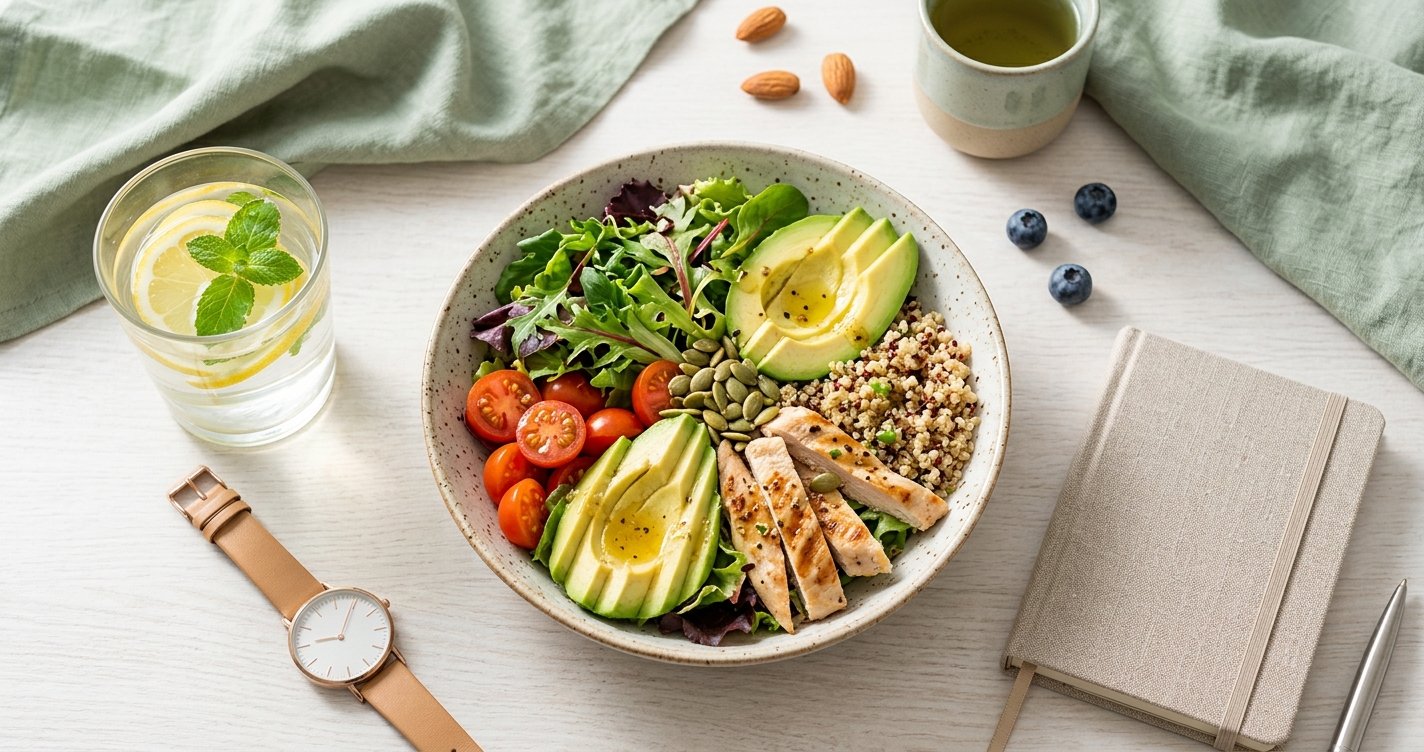
Include healthy fats like avocados, nuts, seeds, and olive oil in your meals. Fats are incredibly satiating and provide essential nutrients, helping you feel fuller for longer and providing sustained energy.
Hydration is Key (Even During Your Fast)
During both your fasting and eating windows, staying well-hydrated is paramount. Drink plenty of water. During your fast, plain water, black coffee, and unsweetened tea are your best friends. They can help suppress hunger and keep you feeling energized.
Navigating the Fast: Tips for Success and Overcoming Challenges
Embarking on Intermittent Fasting can come with a few initial hurdles, but with the right strategies, you can overcome them and make IF a seamless part of your life.
- Start Slow: Don't jump straight into a 16-hour fast. Begin with a 12-hour fast and gradually extend it by an hour or so each day or week until you comfortably reach your desired fasting window.
- Stay Hydrated: This cannot be stressed enough! Hunger pangs are often mistaken for thirst. Drink plenty of water, sparkling water, black coffee, or unsweetened tea during your fasting window.
- Listen to Your Body: IF should make you feel good and energized, not deprived or miserable. If you feel dizzy, excessively weak, or unwell, break your fast and re-evaluate. This is especially important if you're new to fasting or have underlying health conditions.
- Prioritize Sleep: Adequate sleep is crucial for managing hunger hormones (ghrelin and leptin). When you're well-rested, it's easier to manage cravings and stick to your fasting schedule.
- Manage Hunger: When hunger strikes during your fast, try distracting yourself with activities, drink a large glass of water, or sip on black coffee or tea. Often, hunger comes in waves and will pass.
- Be Patient: Like any lifestyle change, it takes time for your body to adapt. Don't get discouraged if you don't see immediate results. Consistency is key.
- Exercise Smartly: Many people find they can exercise effectively during their fasted state. However, if you're feeling sluggish, consider scheduling your workouts closer to your eating window, or adjust the intensity.
Is Intermittent Fasting Right for Everyone? (Important Considerations)
While Intermittent Fasting offers incredible benefits for many, it's not suitable for everyone. It's crucial to listen to your body and, ideally, consult with a healthcare professional before making significant dietary changes, especially if you have existing health conditions.
Intermittent Fasting is generally not recommended for:
- Pregnant or breastfeeding women
- Individuals with a history of eating disorders (anorexia, bulimia)
- People with specific medical conditions, such as Type 1 diabetes (due to strict insulin management)
- Those on certain medications that require food intake (e.g., blood thinners, certain diabetes medications)
- Individuals who are underweight or have nutritional deficiencies
For others, especially those with Type 2 diabetes, it's essential to work closely with a doctor to adjust medication schedules and monitor blood sugar levels. Remember, IF is a tool, and like any tool, it needs to be used wisely and appropriately for your individual circumstances.
Beyond Fat Loss: Other Potential Benefits of IF
While fat loss is a primary motivator for many, Intermittent Fasting offers a spectrum of other potential health benefits that contribute to overall well-being:
- Improved Insulin Sensitivity: As mentioned, lower insulin levels can lead to better insulin sensitivity, reducing the risk of Type 2 diabetes.
- Reduced Inflammation: Chronic inflammation is linked to various diseases, and studies suggest IF can help reduce inflammatory markers in the body.
- Enhanced Brain Health: Some research indicates that IF may support brain health by boosting brain-derived neurotrophic factor (BDNF), which promotes the growth of new brain cells.
- Longevity: While human studies are ongoing, animal studies have shown that IF can extend lifespan and improve resistance to disease.
- Simplicity and Time-Saving: For many, IF simplifies meal planning and preparation, freeing up time and mental energy.
Ready to Unlock Your Fat Loss Potential?
Intermittent Fasting is a powerful, flexible, and sustainable approach to fat loss and improved health that doesn't rely on deprivation or complex rules. By simply shifting when you eat, you can tap into your body's natural fat-burning mechanisms, boost your metabolism, and experience a host of other health benefits.
Remember to start slowly, listen to your body, prioritize nutrient-dense foods during your eating window, and stay hydrated. With a friendly and evidence-based approach, you can integrate Intermittent Fasting into your lifestyle and embark on a rewarding journey towards a healthier, leaner you. Are you ready to give it a try?