Struggling to shed those stubborn pounds? Feeling overwhelmed by conflicting diet advice? You’re not alone. Many people cycle through restrictive diets, only to find themselves back at square one. But what if there was a simpler, more sustainable approach to fat loss that didn't involve counting every single calorie or cutting out entire food groups?
Enter Intermittent Fasting (IF) – an eating pattern that’s gaining immense popularity, not just for its effectiveness in promoting fat loss, but also for its potential health benefits. This isn't another fad diet; it's a powerful tool, backed by science, that focuses on when you eat, rather than solely what you eat. If you’re curious about how to harness the power of IF for sustainable fat loss in a friendly, evidence-based way, you've come to the right place. Let's dive in! this excellent wellness product
What Exactly is Intermittent Fasting? (And What It Isn't)
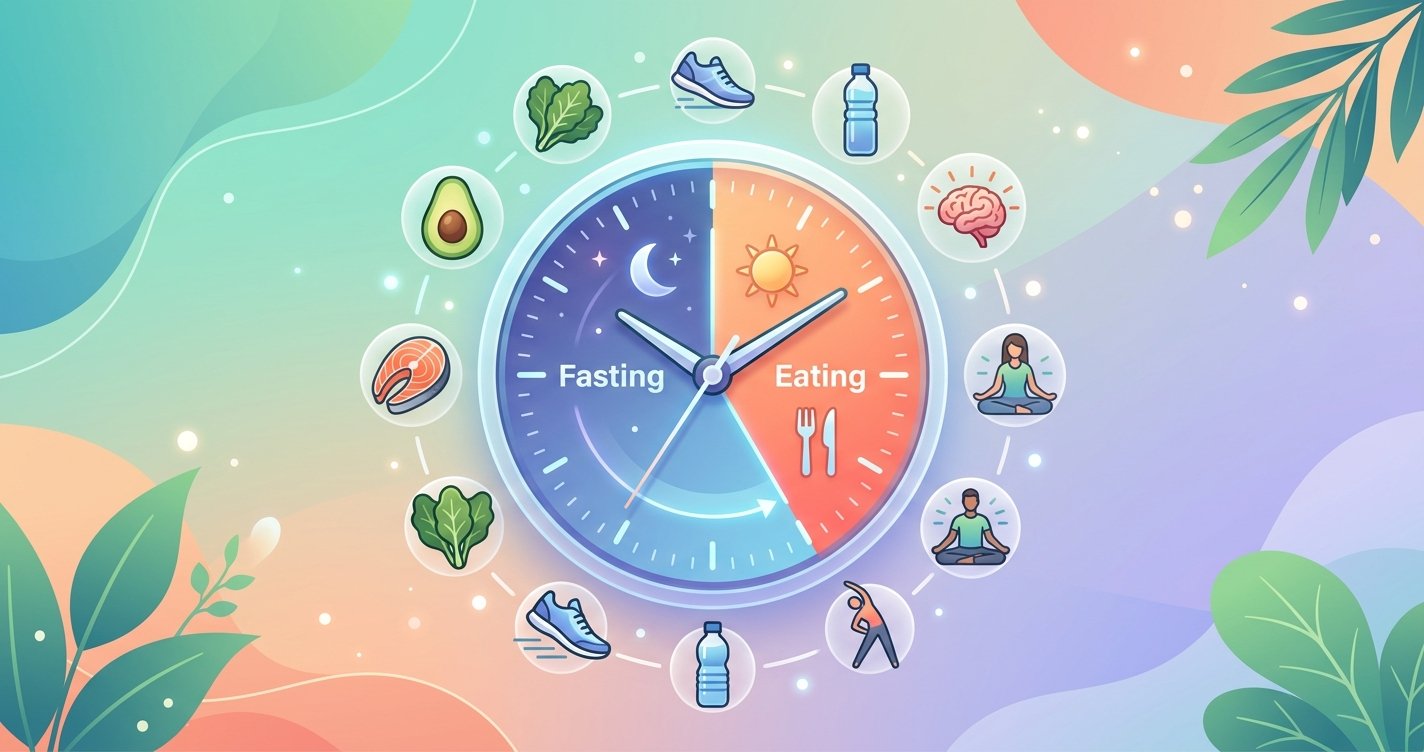
At its core, intermittent fasting isn't a diet in the traditional sense. You won't find specific meal plans or forbidden foods. Instead, IF is an eating pattern that cycles between periods of eating and voluntary fasting. Think of it as simply extending your body's natural overnight fast.
It's crucial to understand what IF isn't. It's not starvation, and it's not about depriving your body of nutrients. While calorie quality still matters immensely, the primary focus of IF is on creating a structured eating window. This simple shift can have profound effects on your metabolism and ability to burn fat.
The Basic Idea: Eating Windows vs. Fasting Windows
The concept is straightforward: during your 'eating window,' you consume your meals. During your 'fasting window,' you abstain from calorie-containing foods and beverages, though water, black coffee, and plain tea are generally permitted. The length of these windows varies depending on the specific IF method you choose, allowing for flexibility to fit your lifestyle.
The Science Behind Intermittent Fasting and Fat Loss
So, how does simply changing when you eat lead to effective fat loss? It all comes down to a clever interplay of hormones and metabolic processes within your body. IF doesn't just help you eat fewer calories (though it often does); it optimizes your body's ability to burn its own stored fat for energy.
Insulin Sensitivity & Fat Burning
Perhaps the most significant mechanism behind IF's fat loss power is its impact on insulin. When you eat, especially carbohydrates, your blood sugar rises, and your pancreas releases insulin to move that sugar into your cells for energy or storage. High, constant insulin levels signal your body to store fat and make it harder to access existing fat stores for energy.
During a fasting period, insulin levels drop significantly. This lower insulin state signals your body to switch from burning glucose (sugar) to burning stored body fat for fuel. This metabolic shift is key to sustainable fat loss.
Hormonal Boosts: Growth Hormone & Norepinephrine
Intermittent fasting can also lead to an increase in human growth hormone (HGH) levels. HGH is vital for muscle growth, fat loss, and overall body composition. Simultaneously, your body can increase levels of norepinephrine (noradrenaline), a hormone that signals fat cells to release fatty acids, making them available for energy burning.
Cellular Repair (Autophagy) & Metabolic Flexibility
Beyond fat loss, fasting triggers a cellular clean-up process called autophagy, where cells remove waste products and damaged components. This isn't directly a fat loss mechanism, but it contributes to overall cellular health and metabolic efficiency, which supports a healthier body capable of better fat management.
IF also helps improve 'metabolic flexibility' – your body's ability to seamlessly switch between burning carbs and burning fat for fuel. This makes you less reliant on constant food intake and more efficient at utilizing your own fat stores.
Popular Intermittent Fasting Methods for Beginners
One of the beauties of intermittent fasting is its flexibility. There's no single 'right' way to do it. The best method is the one you can stick to consistently. Here are a few popular approaches, perfect for beginners:
The 16/8 Method (Leangains)
This is arguably the most popular and easiest method for most people to adopt. It involves fasting for 16 hours each day and restricting your eating to an 8-hour window. For example, you might finish dinner by 8 PM and not eat again until 12 PM the next day, effectively skipping breakfast. This method is often easily integrated into busy schedules.
The 12/12 Method (Gentle Start)
If 16 hours seems daunting, start with a 12/12 schedule. This means you fast for 12 hours and eat within a 12-hour window. For instance, if you finish dinner at 7 PM, you'd break your fast at 7 AM. This is often a natural extension of your overnight fast and can be a great way to ease into IF, allowing your body to adapt gently.
The 5:2 Method (Eat-Stop-Eat Variation)
This method involves eating normally for five days of the week and then restricting your calorie intake to 500-600 calories on two non-consecutive days. For example, you might eat regularly Monday, Tuesday, Thursday, Saturday, and Sunday, and have your low-calorie days on Wednesday and Friday. This approach requires a bit more planning for the low-calorie days but offers significant flexibility on your 'normal' eating days.
Making Intermittent Fasting Work For YOU: Practical Tips & Tricks
Successfully integrating intermittent fasting into your life for sustainable fat loss involves more than just picking a schedule. Here are some friendly, actionable tips to help you thrive:
- Stay Hydrated: Water is your best friend during fasting windows. Drink plenty of plain water, black coffee, or plain tea. These can help curb hunger and keep you feeling good.
- Prioritize Nutrient-Dense Foods: When you do eat, make those calories count! Focus on whole, unprocessed foods like lean proteins, healthy fats, plenty of vegetables, and complex carbohydrates. This ensures you get adequate nutrients and feel satiated.
- Listen to Your Body: IF is not a one-size-fits-all. If you feel unwell, lightheaded, or excessively hungry, adjust your fasting window or consider if IF is right for you. Don't push yourself too hard, especially when starting.
- Break Your Fast Gently: Avoid the temptation to binge when your eating window opens. Start with a balanced meal that includes protein and healthy fats to stabilize blood sugar and prevent overeating.
- Exercise Smartly: Many people find they can exercise effectively during their fasted state. Pay attention to your energy levels. If you're doing intense workouts, you might prefer to time your eating window around them to fuel recovery.
- Be Patient & Consistent: Fat loss is a journey, not a race. It takes time for your body to adapt. Consistency over perfection is key. Don't get discouraged by slow progress; celebrate small victories.
Common Myths & Misconceptions About IF Debunked
Like any popular health trend, intermittent fasting is often surrounded by myths. Let's clear up some common concerns:
"It will slow down my metabolism!"
Quite the opposite! Short-term fasting (up to 72 hours) has actually been shown to slightly increase metabolic rate, primarily due to the boost in norepinephrine. It's prolonged, chronic calorie restriction that can slow metabolism, not the strategic cycling of IF.
"I'll lose all my muscle!"
This is a common fear, but evidence suggests that IF is quite effective at preserving muscle mass during fat loss, especially when combined with adequate protein intake and resistance training. The hormonal changes (like increased HGH) can even be protective for muscle tissue.
"I'll be starving all the time!"
While some hunger is normal, especially in the beginning, your body adapts. Many people report feeling less hungry once they're accustomed to IF, as their bodies become more efficient at burning fat for fuel, leading to more stable energy levels and fewer cravings.
Is Intermittent Fasting Right For Everyone? (Important Considerations)
While intermittent fasting offers incredible benefits for many, it's not a universal solution. Certain individuals should approach IF with caution or avoid it altogether:
- Pregnant or breastfeeding women: Nutrient needs are higher during these periods, and fasting may not be appropriate.
- Individuals with a history of eating disorders: IF can potentially trigger unhealthy patterns.
- People with certain medical conditions: Such as diabetes (especially Type 1), individuals with low blood pressure, or those taking specific medications that require food intake.
- Children and adolescents: Their bodies are still growing and developing.
Always consult your doctor or a qualified healthcare professional before starting any new eating pattern, especially if you have underlying health conditions or are on medication.
Embracing Your Journey: Sustainable Fat Loss with IF
Intermittent fasting is a powerful, flexible, and evidence-based tool that can significantly aid your fat loss journey. It's not about restriction or deprivation, but about optimizing your body's natural fat-burning capabilities through strategic eating windows. By focusing on quality nutrition during your eating periods and allowing your body to rest and repair during fasting, you can unlock a more sustainable and enjoyable path to your fat loss goals.
Remember, this is your journey. Start slow, experiment with different methods, listen to your body, and don't be afraid to adjust as you go. With consistency, patience, and a friendly approach to your body, intermittent fasting can be a transformative part of achieving lasting fat loss and improved health. You've got this!