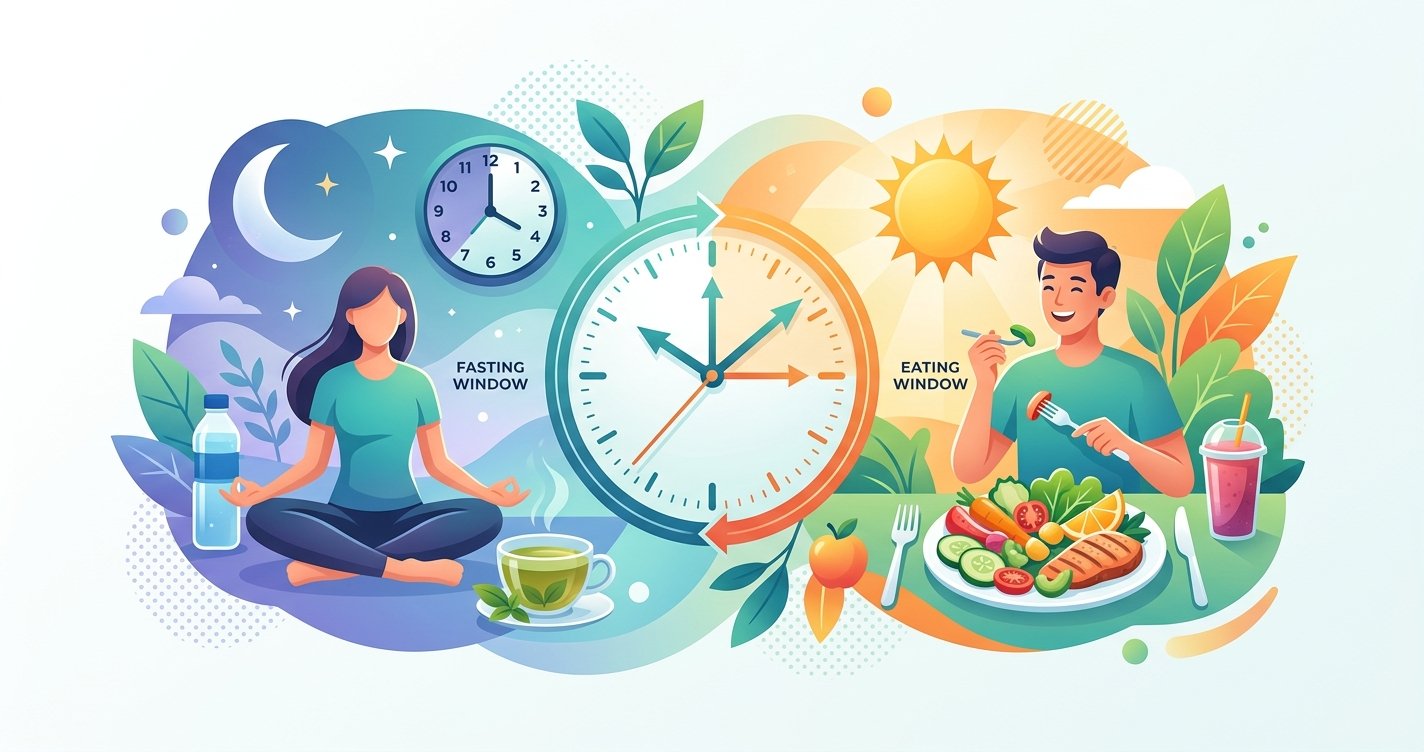
Are you searching for a fresh approach to fat loss that feels sustainable, not restrictive? You've likely heard the buzz around Intermittent Fasting (IF), and for good reason. It's not a diet in the traditional sense, but rather an eating pattern that cycles between periods of eating and voluntary fasting. Far from being a fleeting fad, IF is backed by a growing body of scientific evidence supporting its potential benefits for weight management, metabolic health, and even longevity. But how exactly does it work for fat loss, and is it right for you?
In this friendly, evidence-based guide, we'll demystify Intermittent Fasting, explain its powerful mechanisms for shedding unwanted fat, explore popular methods, and provide practical tips to help you get started safely and effectively. Get ready to discover a flexible and empowering path to a healthier, leaner you! this excellent wellness product
What Exactly is Intermittent Fasting, and Why Does it Work for Fat Loss?
At its core, Intermittent Fasting isn't about what you eat, but when you eat. Instead of constantly grazing or adhering to a strict meal plan, IF involves setting specific windows for eating and fasting. During your eating window, you consume your meals as usual, focusing on nutritious, whole foods. During your fasting window, you abstain from caloric intake, though water, black coffee, and plain tea are typically permitted.
The Science Behind the Fat Loss
So, how does simply changing your eating schedule lead to fat loss? It boils down to a few key metabolic shifts:
- Insulin Sensitivity: When you eat, your body releases insulin to manage blood sugar. Constant eating keeps insulin levels elevated, which signals your body to store fat. During a fasting period, insulin levels drop significantly. This lower insulin state signals your body to tap into its stored fat for energy, rather than relying on incoming food. Over time, this can improve insulin sensitivity, making your body more efficient at using glucose and storing less fat.
- Human Growth Hormone (HGH) Boost: Fasting naturally increases the production of Human Growth Hormone, a powerful hormone that plays a crucial role in fat loss and muscle preservation. Higher HGH levels can help your body burn fat while maintaining lean muscle mass, which is key for a healthy metabolism.
- Norepinephrine Release: Fasting can also lead to an increase in norepinephrine, a hormone that acts as a natural fat-burning agent. Norepinephrine signals fat cells to release fatty acids, making them available for your body to burn as energy.
- Autophagy: While not directly a fat loss mechanism, autophagy (a cellular "self-cleaning" process) is boosted during fasting. This process removes damaged cells and regenerates new ones, contributing to overall cellular health and potentially better metabolic function, which indirectly supports fat loss.
By allowing your body regular breaks from digestion, you create an environment where it's much more inclined to burn stored fat for fuel, rather than constantly storing new fat.
Popular Intermittent Fasting Methods: Find Your Fit
One of the beauties of IF is its flexibility. There's no one-size-fits-all approach, and you can choose a method that best suits your lifestyle. Here are some of the most popular:
The 16/8 Method (Leangains Protocol)
This is arguably the most popular and easiest method for beginners. It involves fasting for 16 hours and having an 8-hour eating window. For example, you might skip breakfast and eat your first meal around 1 PM, finishing your last meal by 9 PM. This often means simply extending your overnight fast a little longer each day. Many find this method highly sustainable as it fits well into most daily routines.
Eat-Stop-Eat (24-Hour Fast)
This method involves choosing one or two non-consecutive days per week to perform a full 24-hour fast. For example, you might finish dinner on Monday at 7 PM and not eat again until dinner on Tuesday at 7 PM. On the two remaining days, you eat normally. This can be more challenging initially but offers significant benefits when done correctly.
The 5:2 Diet
With the 5:2 diet, you eat normally for five days of the week and restrict your calorie intake to 500-600 calories on two non-consecutive days. This is less of a pure fast and more of a calorie restriction on specific days. It can be a good entry point for those intimidated by full fasting periods.
Remember, consistency is key, so choose a method you genuinely feel you can stick with long-term.
Maximizing Your Fat Loss Results with Intermittent Fasting
While IF is powerful on its own, pairing it with smart choices during your eating window and integrating healthy lifestyle habits will supercharge your results.
- Prioritize Nutrient-Dense Foods: Your eating window isn't a free-for-all! Focus on whole, unprocessed foods. Think lean proteins (chicken, fish, legumes), healthy fats (avocado, nuts, olive oil), plenty of fiber-rich vegetables, and complex carbohydrates (whole grains, sweet potatoes). These foods will keep you feeling full, provide essential nutrients, and support your metabolism.
- Stay Hydrated: Water is your best friend, especially during fasting periods. It helps curb hunger, maintains energy levels, and supports overall bodily functions. Black coffee and plain tea are also fine and can help with hunger.
- Incorporate Regular Exercise: Combining IF with a balanced exercise routine (both strength training and cardiovascular exercise) will accelerate fat loss and help preserve muscle mass. Timing your workouts is flexible; some prefer fasting workouts, while others eat beforehand. Listen to your body.
- Get Enough Quality Sleep: Sleep is crucial for hormone regulation, including those related to hunger and satiety. Poor sleep can sabotage your fat loss efforts, so aim for 7-9 hours of quality sleep per night.
- Manage Stress: Chronic stress elevates cortisol, a hormone that can promote fat storage, especially around the midsection. Find healthy ways to manage stress, such as meditation, yoga, or spending time in nature.
Common Mistakes to Avoid on Your IF Journey
Even with the best intentions, it's easy to fall into common traps. Being aware of these can help you stay on track:
- Overcompensating During Eating Windows: The biggest mistake! Your eating window isn't an excuse to binge on unhealthy foods. While you don't need to count every calorie, consistently overeating or choosing nutrient-poor foods will negate the benefits of fasting.
- Not Drinking Enough Water: Dehydration can be mistaken for hunger, leading to unnecessary discomfort and potential headaches during fasts.
- Ignoring Your Body's Signals: While some hunger is normal, severe dizziness, extreme fatigue, or persistent headaches are signs to break your fast and reassess. IF should feel empowering, not punishing.
- Starting Too Aggressively: Don't jump straight into a 24-hour fast if you're new. Start with a shorter eating window, like 12/12, and gradually extend your fast as your body adapts.
- Lack of Consistency: IF works best when practiced regularly. Occasional fasts are fine, but consistent adherence to your chosen method will yield the best fat loss results.
Is Intermittent Fasting Right for You? Important Considerations
While Intermittent Fasting offers incredible benefits for many, it's not suitable for everyone. Always consult with your doctor or a qualified healthcare professional before starting any new eating regimen, especially if you have underlying health conditions.
IF is generally NOT recommended for:
- Pregnant or breastfeeding women
- Individuals with a history of eating disorders
- People with Type 1 diabetes or those on medications that require food intake
- Individuals who are underweight or have nutritional deficiencies
- Children and adolescents
For others, it can be a safe and effective tool. Pay close attention to how your body responds and adjust as needed.
Getting Started with Intermittent Fasting: A Gentle Approach
Ready to give IF a try? Here's how to begin with confidence:
- Choose a Method: Start with the 16/8 method. It's the most flexible and easiest to integrate into daily life.
- Start Gradually: Don't try to fast for 16 hours on day one if you're used to eating constantly. Try pushing breakfast back by an hour each day, or finishing dinner earlier.
- Plan Your Meals: During your eating window, plan balanced, nutritious meals. This prevents impulsive, unhealthy choices.
- Stay Hydrated: Keep water, black coffee, or plain tea handy during your fasting window.
- Listen to Your Body: The first few days might feel a little challenging as your body adapts. Mild hunger is normal, but extreme discomfort isn't. Adjust your fasting window if needed.
- Be Patient: Fat loss takes time. Be consistent, trust the process, and celebrate small victories.
Embrace a Sustainable Path to Fat Loss
Intermittent Fasting isn't a magic bullet, but it is a powerful, evidence-based tool that can significantly aid in sustainable fat loss and improve overall metabolic health. By understanding how it works, choosing a method that fits your lifestyle, and making smart choices during your eating window, you can unlock its full potential.
Remember, the goal is long-term health and well-being, not just a number on the scale. Approach IF with curiosity, listen to your body, and enjoy the journey towards a healthier, more vibrant you. You've got this!
Disclaimer: This article is for informational purposes only and does not constitute medical advice. Always consult with a qualified healthcare professional before making any changes to your diet or lifestyle, especially if you have underlying health conditions.