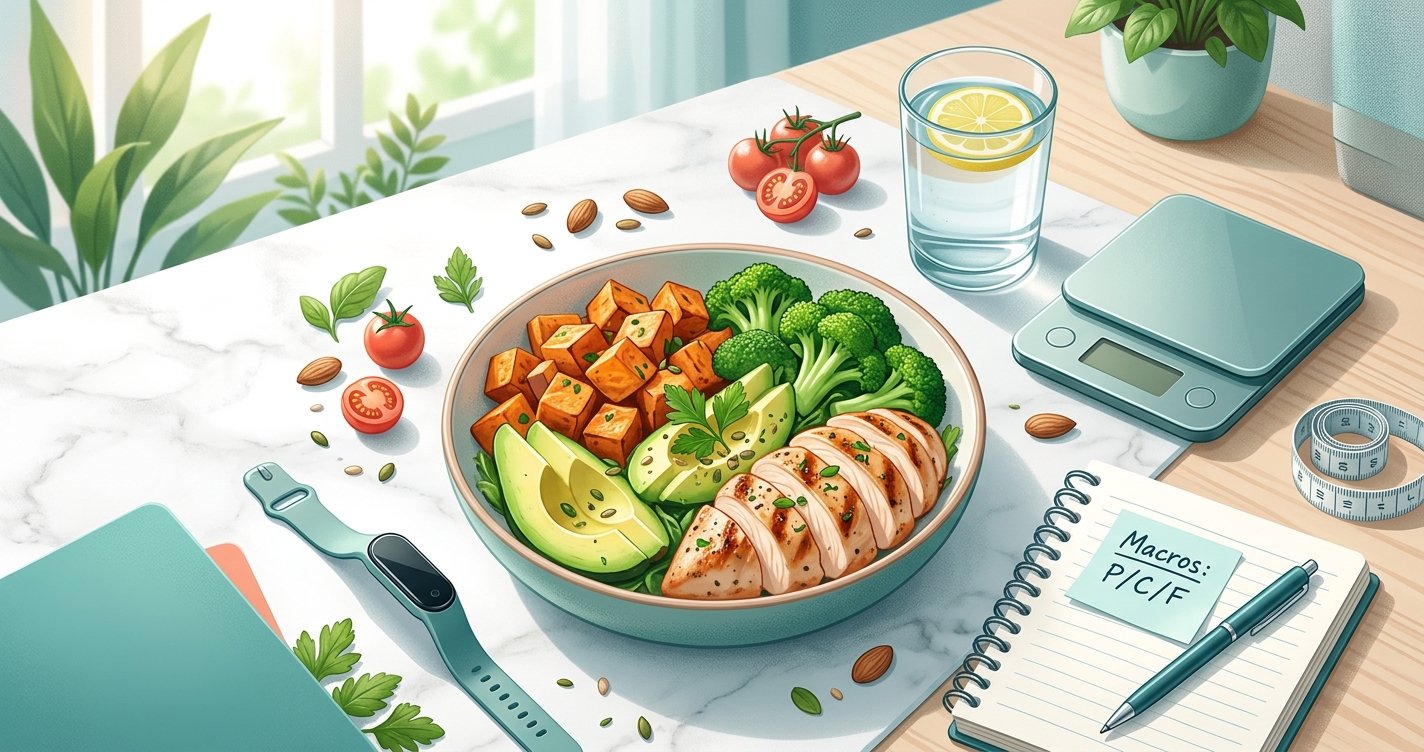
Tired of Yo-Yo Diets? Discover the Sustainable Path to Fat Loss!
If you've ever felt trapped in a cycle of restrictive diets, quick fixes, and disappointing results, you're not alone. The world of fat loss is often riddled with confusing advice, extreme measures, and promises that rarely deliver long-term success. But what if there was a simpler, more sustainable, and evidence-based approach that actually works? Good news – there is! It all boils down to mastering two fundamental pillars: understanding your calorie deficit and balancing your macronutrients.
This isn't about deprivation or endless hours at the gym. It's about empowering you with the knowledge to work with your body, not against it, to achieve lasting fat loss. We'll cut through the noise and provide you with a friendly, encouraging guide to making your metabolism your ally, not your enemy. this excellent wellness product
The Core Principle: Understanding the Calorie Deficit
At its heart, fat loss is a simple equation: you need to consume fewer calories than your body burns. This state is known as a calorie deficit. While countless products promise to "boost your metabolism" or "burn fat effortlessly," the scientific truth is that creating a consistent, moderate calorie deficit is the most reliable path to losing body fat.
What Exactly is a Calorie Deficit?
Imagine your body as a car. Calories are its fuel. If you put in less fuel than the car needs to run for the day, it starts tapping into its reserves (stored body fat) for energy. That's a calorie deficit in action! Your body needs a certain amount of energy just to exist (Basal Metabolic Rate or BMR) and additional energy for all your daily activities, from walking to thinking to exercising (Total Daily Energy Expenditure or TDEE).
How to Calculate Your Maintenance Calories (TDEE)
Before you can create a deficit, you need to know your starting point. Your TDEE is the estimated number of calories your body burns in a 24-hour period. While online calculators can give you a good estimate, remember they are just that – estimates. Factors like age, sex, weight, height, and activity level all play a role. A common approach is to use a TDEE calculator online and then track your intake and weight for a week or two to see if that number accurately maintains your current weight.
Creating a Realistic and Sustainable Deficit
Once you have an estimated TDEE, the goal is to consistently eat 300-500 calories less than that number each day. Why 300-500? Because it's enough to promote steady fat loss (typically 1-2 pounds per week) without being so aggressive that it:
- Leaves you feeling constantly hungry and deprived.
- Causes significant muscle loss (which you want to avoid!).
- Slows down your metabolism unnecessarily.
- Makes adherence incredibly difficult, leading to burnout.
An extreme deficit might seem appealing for quick results, but it often backfires, leading to muscle loss, nutrient deficiencies, fatigue, and ultimately, regaining the weight. Slow and steady wins the race when it comes to sustainable fat loss.
Beyond Calories: The Power of Macronutrients
While the calorie deficit is king for fat loss, what those calories are made of – your macronutrients – plays a crucial role in how you feel, how your body functions, and how successful you are in preserving muscle mass while losing fat.
Protein: Your Fat Loss Ally
Protein is arguably the most important macronutrient for fat loss. Here's why:
- Satiety: Protein keeps you feeling full and satisfied for longer, reducing cravings and overeating.
- Muscle Preservation: When in a calorie deficit, your body can break down muscle for energy. Adequate protein intake helps protect your hard-earned muscle mass, ensuring that the weight you lose is primarily fat.
- Thermic Effect: Protein has a higher thermic effect of food (TEF) than carbs or fats, meaning your body burns more calories digesting and metabolizing protein.
Aim for 0.7 to 1 gram of protein per pound of your target body weight. Good sources include lean meats, poultry, fish, eggs, dairy, legumes, and protein supplements.
Carbohydrates: Not the Enemy
Carbohydrates have gotten a bad rap in many fad diets, but they are essential for energy, brain function, and overall health. The key is choosing the right types and amounts:
- Complex Carbs: Found in whole grains, fruits, and vegetables, these are rich in fiber, which aids digestion, promotes satiety, and provides sustained energy.
- Simple Carbs: Found in sugary drinks, candies, and refined grains, these offer quick energy but often lead to energy crashes and don't provide much nutritional value.
Focus on incorporating plenty of fiber-rich complex carbohydrates into your diet, especially around your workouts to fuel your activity. They are not to be feared!
Fats: Essential for Health
Dietary fats are vital for hormone production, nutrient absorption, cell function, and even satiety. Healthy fats are your friend:
- Monounsaturated Fats: Found in avocados, nuts, and olive oil.
- Polyunsaturated Fats: Found in fatty fish (omega-3s), seeds, and some plant oils.
While fats are crucial, they are also calorie-dense (9 calories per gram compared to 4 for protein and carbs), so portion control is important. Focus on quality sources and integrate them mindfully.
Putting It All Together: Practical Strategies for Success
Knowing the theory is one thing; putting it into practice is another. Here are some actionable strategies to help you implement your calorie deficit and macronutrient balance effectively:
Meal Planning & Preparation
Consistency is key! Dedicate some time each week to plan your meals and snacks. This could involve:
- Writing a grocery list based on your planned meals.
- Batch cooking protein sources (chicken, lentils) or grains (quinoa, brown rice).
- Prepping healthy snacks like chopped veggies, fruit, or portioned nuts.
Having healthy, prepped food readily available drastically reduces the likelihood of making impulsive, less healthy choices when hunger strikes.
Tracking Your Intake (Awareness, Not Obsession)
To ensure you're consistently hitting your calorie and macro targets, tracking your food intake for a period can be incredibly insightful. Apps like MyFitnessPal or Cronometer make it easy to log your meals. The goal isn't to track forever, but to build an awareness of:
- The calorie and macronutrient content of common foods.
- Your typical portion sizes.
- Where you might be overconsuming calories without realizing it.
Think of it as a learning tool, not a life sentence.
Hydration: An Unsung Hero
Drinking plenty of water throughout the day is often overlooked but plays a significant role in fat loss. Water can help with satiety, boost metabolism slightly, and is crucial for overall bodily functions. Aim for at least 8 glasses (around 2 liters) per day, and more if you're active.
The Role of Sleep and Stress Management
Believe it or not, adequate sleep and managing stress are just as important as diet and exercise for fat loss. Poor sleep can disrupt hunger-regulating hormones (ghrelin and leptin), leading to increased cravings and appetite. Chronic stress elevates cortisol, which can promote fat storage, particularly around the midsection. Prioritize 7-9 hours of quality sleep and find healthy ways to manage stress, whether it's meditation, hobbies, or spending time in nature.
Embracing a Sustainable Lifestyle, Not Just a Diet
The biggest mistake people make is viewing fat loss as a temporary "diet" with an endpoint. True, lasting fat loss comes from adopting a sustainable lifestyle that you can maintain indefinitely. This means:
- Flexibility: Don't aim for perfection. Life happens. One less-than-perfect meal or day won't derail your progress. Get back on track with your next meal.
- Listening to Your Body: Pay attention to hunger and fullness cues. Learn what foods make you feel energized and satisfied.
- Patience and Consistency: Fat loss is not linear. There will be plateaus and fluctuations. Trust the process, stay consistent, and celebrate small victories.
- Incorporating Enjoyable Movement: While diet is primary for fat loss, regular physical activity, including strength training and cardio, enhances results, preserves muscle, and improves overall health and mood. Find activities you genuinely enjoy!
Common Pitfalls to Avoid
As you embark on this journey, be mindful of these common traps:
- Over-Restricting: Going too low on calories or completely cutting out entire food groups is unsustainable and often leads to rebound eating.
- Comparing Yourself to Others: Everyone's journey is unique. Focus on your own progress and celebrate your improvements.
- The "All or Nothing" Mindset: One slip-up doesn't mean you've failed. It's an opportunity to learn and adjust.
- Ignoring Non-Scale Victories: Don't just focus on the number on the scale. Notice increased energy, better sleep, clothes fitting differently, and improved mood.
Your Journey to Sustainable Fat Loss Starts Now
You now have the fundamental knowledge to embark on a truly sustainable fat loss journey. Remember, it's not about quick fixes or harsh restrictions; it's about understanding your body, making informed choices, and building consistent habits that support your goals. By focusing on a moderate calorie deficit and balancing your macronutrients, you're not just losing weight – you're building a healthier, stronger, and more energetic you.
Start small, be consistent, and be kind to yourself. Your body is an incredible machine, and with the right approach, you can unlock its full potential for lasting health and vitality. You've got this!