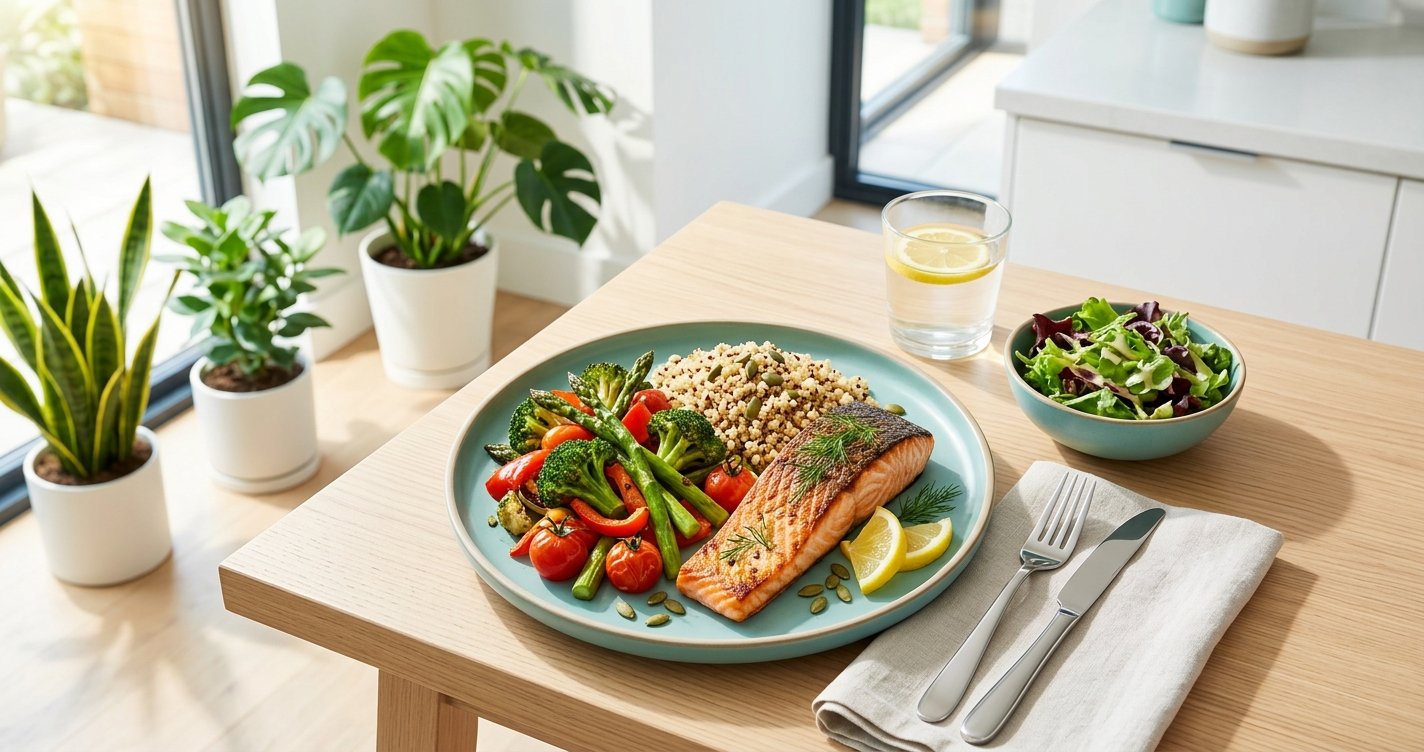
Hey there, future you! If you're reading this, chances are you've been on a journey to shed some unwanted fat, perhaps navigating a confusing landscape of fad diets, quick fixes, and conflicting advice. It's easy to feel overwhelmed, but what if we told you that the most powerful, scientifically-backed approach to sustainable fat loss boils down to two core principles? It’s not about deprivation, extreme cleanses, or endless cardio. It’s about understanding and strategically using a calorie deficit and the magic of protein.
This isn't another promise for overnight transformation. Instead, it’s an evidence-based, friendly guide designed to empower you with the knowledge to make lasting changes, feel great, and finally achieve the sustainable results you deserve. Let's dive in! this excellent wellness product
The Non-Negotiable Core: Understanding the Calorie Deficit
At its heart, fat loss is surprisingly simple physics: you need to consume fewer calories than your body burns. This state is known as a calorie deficit. Think of your body like a car. If you put less fuel in than it uses for driving, it eventually has to tap into its reserve tank – which, for us, is stored body fat.
What Exactly is a Calorie Deficit?
Your body is constantly burning calories just to keep you alive (breathing, circulating blood, thinking – this is your Basal Metabolic Rate or BMR) and for all your daily activities (walking, exercising, even digesting food). When the calories you eat are consistently lower than the total calories your body expends (your Total Daily Energy Expenditure or TDEE), your body begins to use stored fat for energy. That's fat loss in a nutshell!
How to Calculate Your Calorie Needs (The Smart Way)
You don't need to be a mathematician to figure this out. While precise calculation is complex, you can get a very good estimate. Start by using an online TDEE calculator (just search for 'TDEE calculator'). These tools take into account your age, gender, height, weight, and activity level to estimate how many calories your body burns daily.
Once you have your estimated TDEE, aim to create a moderate deficit. For most people, a deficit of 300-500 calories per day is ideal. This allows for steady, sustainable fat loss (typically 1-2 pounds per week) without feeling overly deprived or sacrificing too much energy. Why moderate? Because extreme deficits can lead to muscle loss, nutrient deficiencies, and make adherence incredibly difficult.
Why a Moderate Deficit is Your Best Friend for Sustainable Results
- Muscle Preservation: A too-aggressive deficit can cause your body to break down muscle for energy, which is counterproductive. Muscle is metabolically active, meaning it burns more calories even at rest.
- Energy Levels: A moderate deficit allows you to maintain better energy levels for workouts and daily life.
- Adherence: It's simply easier to stick to. You're less likely to feel constantly hungry or deprived, making it a sustainable lifestyle change rather than a temporary diet.
- Metabolic Health: Extremely low-calorie diets can sometimes slow your metabolism over time. A moderate approach is kinder to your metabolic rate.
The Muscle-Saving, Hunger-Fighting Hero: Protein
Now, let's talk about the unsung hero of fat loss: protein. While a calorie deficit is the engine, protein is the premium fuel that ensures your engine runs efficiently, preserves your valuable muscle, and keeps hunger at bay.
Why Protein is Your Best Friend for Fat Loss
- Satiety Powerhouse: Protein is incredibly filling. Eating enough protein helps you feel fuller for longer, reducing cravings and the likelihood of overeating. Think about how satisfied you feel after a chicken breast versus a handful of chips.
- Higher Thermic Effect of Food (TEF): Your body uses energy to digest, absorb, and metabolize food. Protein has a significantly higher TEF than carbohydrates or fats. This means you burn more calories just by eating protein!
- Muscle Preservation: When you're in a calorie deficit, your body might try to break down muscle for energy. Adequate protein intake provides the building blocks (amino acids) to signal your body to hold onto that precious muscle, ensuring that the weight you lose is primarily fat.
- Repair and Recovery: If you're exercising (and we hope you are!), protein is crucial for repairing and rebuilding muscle tissue, leading to faster recovery and better performance.
How Much Protein Do You Really Need? (Evidence-Based Recommendations)
Forget the old recommendations. For fat loss, studies suggest a higher protein intake is beneficial. Aim for approximately 1.6 to 2.2 grams of protein per kilogram of body weight, or roughly 0.7 to 1 gram per pound of body weight. For example, if you weigh 150 pounds (approx. 68 kg), you'd aim for 105-150 grams of protein per day.
Spread your protein intake across all your meals and snacks to maximize satiety and muscle protein synthesis. Think 20-40 grams per meal.
Top Sources of Lean Protein
- Animal Sources: Chicken breast, turkey, lean beef, fish (salmon, cod, tuna), eggs, Greek yogurt, cottage cheese.
- Plant-Based Sources: Lentils, beans, chickpeas, tofu, tempeh, edamame, quinoa, protein powder (whey, casein, soy, pea).
Putting It All Together: Practical Strategies for Success
Knowing the science is one thing; applying it consistently is another. Here’s how to integrate a calorie deficit and high protein intake into your daily life without it feeling like a chore.
Tracking Made Easy (And When to Stop)
Initially, tracking your food intake using an app like MyFitnessPal or Cronometer can be incredibly enlightening. It helps you understand portion sizes, calorie density, and your actual protein intake. Think of it as a learning tool, not a life sentence.
Once you've developed a good sense of portion control and macronutrient distribution, you can transition to more intuitive eating, focusing on whole, nutrient-dense foods and listening to your body's hunger and fullness cues.
Meal Planning & Preparation: Your Secret Weapon
Failing to plan is planning to fail, especially when it comes to nutrition. Dedicate some time each week to:
- Plan Your Meals: Decide what you'll eat for breakfast, lunch, dinner, and snacks. Build your meals around a lean protein source.
- Batch Cook: Prepare large quantities of staples like grilled chicken, roasted vegetables, quinoa, or lentils that you can mix and match throughout the week.
- Smart Snacking: Keep protein-rich snacks handy – Greek yogurt, cottage cheese, hard-boiled eggs, a handful of almonds, or a protein shake.
Navigating Social Situations & Cravings
Life happens! Don't let social events or cravings derail your progress. Here are some tips:
- The 80/20 Rule: Aim for nutrient-dense, protein-rich foods 80% of the time, and allow for some flexibility with the remaining 20%. This prevents feelings of deprivation.
- Prioritize Protein: If you know you're going out, focus on protein-rich options on the menu.
- Stay Hydrated: Sometimes thirst is mistaken for hunger. Drink water throughout the day.
- Mindful Indulgence: If you're going to have a treat, savor it. Enjoy it without guilt, then get back on track with your next meal.
Beyond Calories & Protein: Complementary Pillars for Optimal Fat Loss
While a calorie deficit and protein are foundational, other lifestyle factors significantly impact your body composition and overall well-being. Don't neglect these often-overlooked elements.
The Role of Strength Training: Build & Burn
Cardio is great, but strength training is your fat loss MVP. Building and maintaining muscle mass not only shapes your body but also boosts your metabolism, meaning you burn more calories even at rest. Aim for 2-4 strength training sessions per week, focusing on compound movements that work multiple muscle groups.
Don't Forget Sleep & Stress Management
Sleep deprivation and chronic stress are silent saboteurs of fat loss. Poor sleep disrupts hormones like ghrelin (hunger hormone) and leptin (satiety hormone), making you hungrier and less satisfied. Chronic stress elevates cortisol, which can promote fat storage, especially around the midsection. Prioritize 7-9 hours of quality sleep and find healthy ways to manage stress (meditation, walks, hobbies).
Hydration: The Unsung Hero
Drinking enough water is simple, yet powerful. It helps with satiety, metabolism, nutrient transport, and overall bodily function. Aim for at least 2-3 liters of water per day, and more if you're exercising or in a hot climate.
Debunking Common Fat Loss Myths: Separating Fact from Fiction
The fitness world is rife with misinformation. Let's bust some common myths that might be holding you back.
Myth 1: Carbs are the Enemy
Fact: Carbs are not inherently bad; they are your body's preferred energy source. The issue lies with excessive intake of refined, processed carbs and poor portion control. Focus on complex carbohydrates like whole grains, fruits, and vegetables, and manage your portions within your calorie deficit.
Myth 2: You Need to Eat "Clean" 100% of the Time
Fact: Striving for perfection often leads to burnout and rebound overeating. The 80/20 rule allows for flexibility and makes your eating plan sustainable long-term. Consistency, not perfection, is the key.
Myth 3: Fasting Alone Guarantees Fat Loss
Fact: Intermittent fasting can be a useful tool for some to create a calorie deficit, but it's not a magic bullet. If you overeat during your eating window, you won't lose fat. The calorie deficit still reigns supreme, regardless of when you eat.
Your Journey to Lasting Results Starts Now
Sustainable fat loss isn't about chasing the latest trend; it's about understanding fundamental principles and applying them consistently. By focusing on a moderate calorie deficit and prioritizing adequate protein intake, you're building a strong, evidence-based foundation for success.
Remember, this is a journey, not a race. There will be good days and challenging days. Be patient with yourself, celebrate small victories, and focus on building habits that will serve you for life. You have the power to transform your body and your health, one smart, protein-packed, calorie-conscious decision at a time. Start small, stay consistent, and watch as you unlock the sustainable fat loss you’ve been striving for!