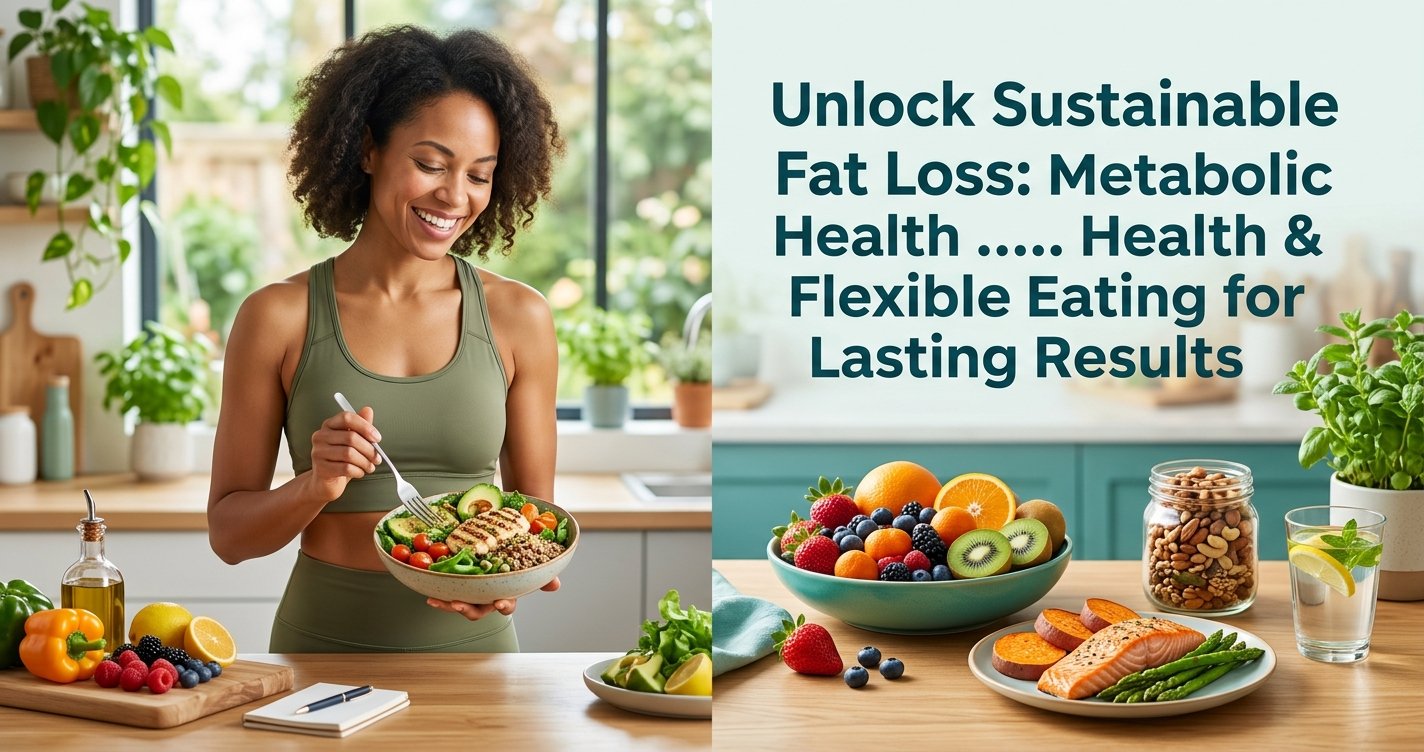
Unlock Sustainable Fat Loss: Metabolic Health & Flexible Eating for Lasting Results
Are you tired of the endless cycle of crash diets, restrictive eating, and frustrating weight fluctuations? You’re not alone. Many people embark on a fat loss journey with high hopes, only to be met with disappointment when the initial progress stalls or the lost weight creeps back. The truth is, sustainable fat loss isn't about deprivation; it's about building a healthier, more resilient you from the inside out. It's about nurturing your metabolic health and adopting a truly flexible eating approach that fits your life, not the other way around.
In this comprehensive guide, we're going to explore how to achieve lasting fat loss by focusing on evidence-based strategies that respect your body and your lifestyle. Say goodbye to extreme measures and hello to a smarter, more enjoyable path to a leaner, healthier you. this excellent wellness product
Understanding Sustainable Fat Loss: Beyond Crash Diets
Before we dive into the 'how,' let's clarify the 'what.' What does sustainable fat loss truly mean, and why do so many popular diets fail to deliver it?
The Problem with Quick Fixes (and Why They Fail)
The allure of rapid fat loss is powerful. Diets promising to shed 10 pounds in a week often involve severe calorie restriction, elimination of entire food groups, and unsustainable rules. While you might see initial weight drop (often water weight, not just fat!), these approaches lead to:
- Nutrient Deficiencies: Restricting foods can mean missing out on vital vitamins and minerals.
- Metabolic Slowdown: Your body adapts to extreme calorie deficits by reducing its energy expenditure, making further fat loss harder.
- Muscle Loss: Without adequate protein and resistance training, severe dieting can cause you to lose precious muscle mass, which is crucial for a healthy metabolism.
- Rebound Weight Gain: Once you return to normal eating, your body, now with a slower metabolism, is primed to regain weight, often more than you lost. This is often linked to the concept of 'metabolic adaptation.'
- Poor Relationship with Food: Restrictive diets can foster feelings of guilt, shame, and anxiety around food, leading to disordered eating patterns.
These quick fixes are a recipe for frustration and ultimately undermine your long-term health and fat loss goals.
What "Sustainable" Really Means for Your Body
Sustainable fat loss means creating a calorie deficit in a way that preserves muscle, supports metabolic function, and is enjoyable enough to maintain indefinitely. It's about making gradual, consistent changes that become ingrained habits, not temporary sacrifices. It focuses on:
- Health First: Prioritizing nutrient density and overall well-being.
- Muscle Preservation: Maintaining or even building muscle mass.
- Metabolic Resilience: Keeping your metabolism humming.
- Psychological Well-being: Fostering a healthy, balanced relationship with food.
The Pillars of Metabolic Health for Fat Loss
Your metabolism is the sum of all chemical processes that occur in your body to maintain life. A healthy metabolism is key to efficient fat burning and overall vitality. Here's how to optimize it for sustainable fat loss.
Calorie Deficit: The Non-Negotiable Foundation (But How to Do It Smartly)
At its core, fat loss requires consuming fewer calories than your body burns – a calorie deficit. However, the key is to create a moderate, rather than extreme, deficit (e.g., 300-500 calories below maintenance). This allows for steady fat loss without triggering drastic metabolic slowdown or excessive hunger. Tools like online calculators can estimate your maintenance calories, but listening to your body and tracking intake for a period can give you more accurate insights.
Prioritizing Protein: Your Muscle-Preserving Ally
Protein is the superhero of fat loss. It's incredibly satiating, meaning it keeps you feeling full longer, reducing overall calorie intake. More importantly, protein is essential for preserving and building muscle mass, especially during a calorie deficit. Muscle is metabolically active tissue, meaning it burns more calories at rest than fat does. Aim for 0.7-1 gram of protein per pound of body weight daily, spread throughout your meals.
The Power of Strength Training: Building Your Metabolic Engine
If you're serious about sustainable fat loss, you simply cannot skip strength training. Lifting weights (or using your body weight) directly combats muscle loss during dieting and helps build new muscle. This not only improves your body composition but also boosts your resting metabolic rate, turning your body into a more efficient fat-burning machine. Aim for 2-4 strength training sessions per week, focusing on compound movements.
Don't Fear Carbs and Fats: Finding Your Balance
Unlike restrictive diets that demonize entire macronutrient groups, a sustainable approach embraces all of them. Carbohydrates provide energy for your workouts and daily activities, while healthy fats are crucial for hormone production and nutrient absorption. The key is to choose quality sources (whole grains, fruits, vegetables for carbs; avocados, nuts, seeds, olive oil for fats) and find the right balance for your activity level and preferences. There's no one-size-fits-all macro ratio, but a general guideline for fat loss might be 20-30% fat, 30-40% carbs, and 30-40% protein.
Flexible Eating: A Mindset, Not a Diet
This is where the "sustainable" truly comes into play. Flexible eating is about empowering you with choice, rather than trapping you in rigid rules.
Ditching Dogma: Why Food Restrictions Often Backfire
When you label foods as "good" or "bad," you create an unhealthy mental framework. Restricting certain foods often leads to intense cravings, feelings of deprivation, and eventually, overeating or binging. Flexible eating, on the other hand, acknowledges that all foods can fit into a healthy diet in moderation.
The 80/20 Rule: Enjoying Life While Progressing
The 80/20 rule is a cornerstone of flexible eating. It suggests that 80% of your food choices should come from nutrient-dense, whole foods that fuel your body and support your fat loss goals. The remaining 20% can be allocated to foods you enjoy, even if they're less "healthy." This allows for social events, treats, and simply enjoying life without derailing your progress. It's about consistency, not perfection.
Practical Tips for Flexible Meal Planning
- Prioritize Protein & Produce: Build your meals around a lean protein source and plenty of vegetables.
- Smart Snacking: Opt for protein-rich or fiber-rich snacks to keep hunger at bay.
- Mindful Indulgence: When you choose to eat a less nutrient-dense food, savor it. Eat slowly, enjoy the experience, and don't feel guilty.
- Preparation is Key: Meal prepping some components (cooked chicken, chopped veggies) can make healthy eating easier during busy weeks.
- Track (if it helps): For some, tracking calories and macros initially can build awareness and understanding of portion sizes. For others, intuitive eating works best. Find what empowers you.
Beyond Diet and Exercise: The Unsung Heroes of Fat Loss
Fat loss isn't just about what you eat and how you move. Other lifestyle factors play a huge, often underestimated, role.
The Crucial Role of Sleep
Lack of sleep messes with your hormones. It increases ghrelin (the hunger hormone) and decreases leptin (the satiety hormone), making you feel hungrier and less satisfied. It also impacts insulin sensitivity and can elevate cortisol, both of which can hinder fat loss. Aim for 7-9 hours of quality sleep per night.
Stress Management: Taming Cortisol
Chronic stress triggers the release of cortisol, a hormone that, in excess, can promote fat storage, particularly around the abdomen. Finding healthy ways to manage stress – whether through meditation, yoga, spending time in nature, or hobbies – is vital for both your mental health and your fat loss journey.
Hydration: Simple Yet Powerful
Drinking enough water is a simple habit with significant benefits. It can help you feel fuller, boost metabolism slightly, and is essential for all bodily functions. Often, thirst is mistaken for hunger, leading to unnecessary snacking. Keep a water bottle handy and sip throughout the day.
Building Lasting Habits for Long-Term Success
Sustainable fat loss isn't a destination; it's a journey of continuous learning and adaptation. It’s about cultivating habits that serve you well for life.
Consistency Over Perfection
You will have off days. You might overeat occasionally, or miss a workout. That's okay! The key is to not let one slip-up derail your entire journey. Get back on track with your next meal or workout. Consistency in your overall efforts will always trump sporadic perfection.
Listening to Your Body
Pay attention to your hunger and satiety cues. How do certain foods make you feel? Are you genuinely hungry, or just bored or stressed? Developing a mindful connection with your body is a powerful tool for self-regulation.
The Importance of Patience and Self-Compassion
Fat loss takes time, especially when you're doing it sustainably. There will be plateaus and slow weeks. Be patient with yourself and celebrate small victories. Treat your body with kindness and compassion, understanding that it's a complex system adapting to new habits.
Your Journey to Sustainable Fat Loss Starts Now
You have the power to break free from the frustrating cycle of quick-fix diets. By focusing on metabolic health, embracing flexible eating, and prioritizing holistic well-being, you can achieve not just fat loss, but a healthier, happier, and more energetic life. Start small, be consistent, and trust the process. Your body will thank you for it.