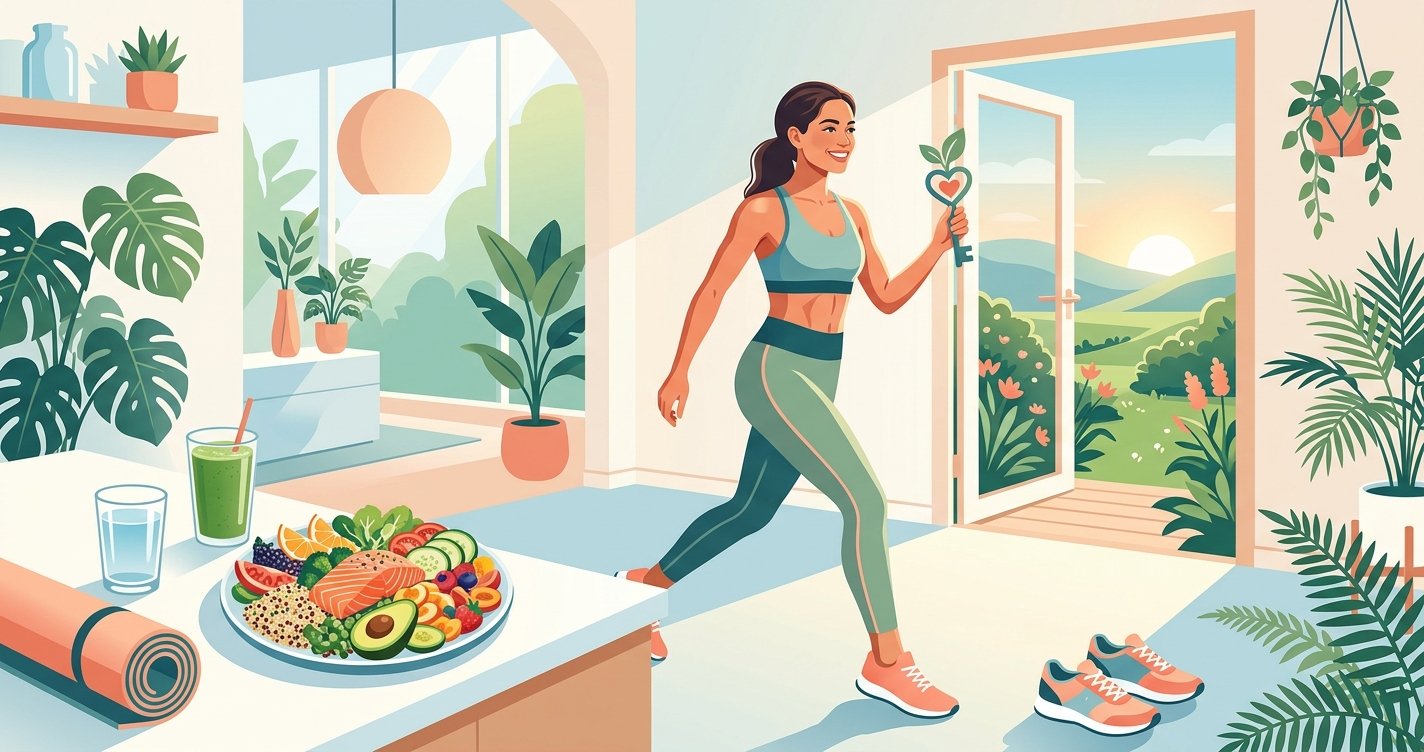
Are you tired of the endless cycle of crash diets, quick fixes, and the disheartening rebound effect? Many of us have been there, chasing rapid weight loss only to find ourselves back where we started, often feeling worse. The good news? Sustainable fat loss isn't about deprivation or punishing workouts. It's about building habits that last, understanding your body, and treating yourself with kindness. In this guide, we'll dive deep into an evidence-based approach to shedding fat for good, focusing on strategies that are effective, enjoyable, and don't require extreme restriction. Get ready to transform your relationship with food and your body, achieving lasting results without the burnout!
Why "Crash Diets" Crash and Burn: The Pitfalls of Extreme Restriction
The allure of losing 10 pounds in a week is strong, but the reality of crash diets is often disappointing and even detrimental. These highly restrictive eating plans typically involve drastically cutting calories, eliminating entire food groups, or relying on unsustainable tactics. While they might show initial rapid weight loss (often water weight and muscle, not just fat), they come with a hefty price tag. this excellent wellness product
The Vicious Cycle:
- Metabolic Adaptation: Your body is incredibly smart. When faced with severe calorie restriction, it slows down your metabolism to conserve energy, making further fat loss harder.
- Muscle Loss: Insufficient protein and calories can lead to muscle breakdown, which is counterproductive for fat loss as muscle is metabolically active.
- Nutrient Deficiencies: Eliminating entire food groups can deprive your body of essential vitamins, minerals, and fiber.
- Intense Cravings & Binge Cycles: Prolonged restriction often leads to uncontrollable cravings, which can trigger overeating and undo any progress.
- Psychological Toll: Dieting can be stressful, leading to feelings of guilt, shame, and a negative relationship with food. It's not a recipe for long-term success.
True sustainable fat loss requires a different approach – one that respects your body's needs and fosters a healthy, balanced lifestyle.
The Cornerstone of Sustainable Fat Loss: Calorie Awareness, Not Obsession
At its core, fat loss comes down to a simple principle: you need to consume fewer calories than your body burns – a calorie deficit. However, "calorie awareness" doesn't mean meticulously tracking every single morsel if that feels overwhelming. It means making smarter choices that naturally lead to a deficit without feeling deprived.
Practical Steps for Calorie Awareness:
- Understand Your Maintenance Calories: Use an online calculator as a starting point to estimate how many calories you need to maintain your current weight. Aim for a moderate deficit (e.g., 300-500 calories below maintenance) for steady, sustainable fat loss (1-2 pounds per week).
- Prioritize Nutrient Density: Choose foods that offer a lot of nutrients for their calorie count. Think fruits, vegetables, lean proteins, and whole grains. These fill you up without packing excessive calories.
- Portion Control: Learn what a healthy portion looks like. Using smaller plates, measuring occasionally, or simply paying attention to hunger cues can be incredibly effective.
- Mindful Eating: Slow down, savor your food, and pay attention to your body's hunger and fullness signals. This helps prevent overeating.
Remember, it's not about eating as little as possible, but eating smartly to achieve a gentle, consistent deficit.
Power Up with Protein: Your Satiety & Muscle Ally
If there's one macronutrient you should prioritize for sustainable fat loss, it's protein. Protein plays a critical role in several ways, making it an absolute game-changer.
The Protein Advantage:
- Increased Satiety: Protein is incredibly filling. Including adequate protein at each meal helps you feel fuller for longer, reducing overall calorie intake and curbing those pesky cravings.
- Higher Thermic Effect of Food (TEF): Your body uses more energy (calories) to digest and metabolize protein compared to carbohydrates or fats. This means you burn a few extra calories just by eating protein!
- Muscle Preservation: When you're in a calorie deficit, there's a risk of losing muscle mass alongside fat. Sufficient protein intake, especially combined with strength training, helps preserve your precious muscle, which is vital for a healthy metabolism.
Excellent Protein Sources: Lean meats (chicken, turkey, lean beef), fish, eggs, dairy (Greek yogurt, cottage cheese), legumes (beans, lentils), tofu, tempeh, and protein powder.
Aim for 20-30 grams of protein per meal, spreading your intake throughout the day.
Embrace Whole Foods: Fueling Your Body, Not Just Filling It
While calorie awareness is key, the quality of your calories matters immensely for sustainable fat loss and overall health. Shifting your focus towards whole, unprocessed foods can make a profound difference.
The Benefits of Whole Foods:
- Rich in Fiber: Whole grains, fruits, vegetables, and legumes are packed with fiber. Fiber aids digestion, helps you feel full, and can stabilize blood sugar levels, preventing energy crashes and subsequent cravings.
- Nutrient-Dense: These foods provide essential vitamins, minerals, and antioxidants that support your body's functions, boost energy, and enhance well-being.
- Naturally Lower in Calories (Often): Compared to their processed counterparts, whole foods generally have a lower calorie density, allowing you to eat more volume for fewer calories.
- Sustained Energy: Complex carbohydrates from whole grains and fiber-rich foods provide a steady release of energy, preventing the highs and lows associated with refined sugars.
Make vegetables the star of your plate, choose whole fruits over juices, and opt for brown rice or quinoa instead of white bread.
The Unsung Heroes: Sleep, Stress, and Hydration
Often overlooked in the pursuit of fat loss are the foundational elements of sleep, stress management, and hydration. These aren't just "nice-to-haves"; they are crucial for optimal metabolic function and hormone balance.
- Sleep: Lack of sleep disrupts hormones like ghrelin (which increases appetite) and leptin (which signals fullness). Poor sleep can also increase cortisol, a stress hormone linked to belly fat storage. Aim for 7-9 hours of quality sleep per night.
- Stress Management: Chronic stress elevates cortisol levels, which can promote fat storage, especially around the midsection, and increase cravings for high-calorie comfort foods. Incorporate stress-reducing activities like meditation, yoga, spending time in nature, or hobbies you enjoy.
- Hydration: Drinking enough water is essential for metabolism, nutrient transport, and can even help manage appetite. Sometimes, what feels like hunger is actually thirst. Aim for 8 glasses (or more) of water daily.
Prioritizing these elements creates a supportive environment for your body to shed fat more effectively.
Move Your Body, Love Your Body: Beyond Just Burning Calories
Physical activity is a powerful tool for sustainable fat loss, but its benefits extend far beyond simply burning calories during a workout.
Holistic Movement Benefits:
- Muscle Building & Preservation: Strength training (lifting weights, bodyweight exercises) is critical. More muscle means a higher resting metabolism, helping you burn more calories even at rest.
- Cardiovascular Health: Activities like walking, jogging, cycling, or swimming improve heart health, increase endurance, and contribute to your daily calorie expenditure.
- Non-Exercise Activity Thermogenesis (NEAT): This refers to the calories you burn doing everyday activities that aren't formal exercise – walking, fidgeting, taking the stairs. Increasing your NEAT by simply moving more throughout the day can significantly boost your fat loss efforts.
- Mood & Energy: Exercise is a natural mood booster, reducing stress and increasing energy levels, which can help you stick to your healthy eating habits.
Find activities you genuinely enjoy. Consistency trumps intensity. Even 30 minutes of brisk walking most days of the week makes a difference.
Cultivating a Mindset for Lasting Change
Perhaps the most critical, yet often overlooked, aspect of sustainable fat loss is your mindset. This journey isn't a race; it's a marathon of self-discovery and gradual improvement.
- Patience and Consistency: Fat loss is rarely linear. There will be plateaus and minor fluctuations. The key is to stay consistent with your healthy habits, even when the scale isn't moving as fast as you'd like.
- Self-Compassion, Not Perfection: You will have days where you don't eat perfectly or miss a workout. That's okay! Don't let one "off" moment derail your entire journey. Acknowledge it, learn from it, and get back on track with kindness.
- Focus on Health, Not Just a Number: Shift your focus from the scale to how you feel. Are you stronger? Do you have more energy? Are your clothes fitting better? These non-scale victories are powerful indicators of progress.
- Celebrate Small Wins: Acknowledging every positive step, no matter how small, reinforces positive behavior and keeps you motivated.
Conclusion
Sustainable fat loss is a journey of empowerment, not punishment. By ditching the restrictive mindset of crash diets and embracing evidence-based strategies centered around calorie awareness, protein intake, whole foods, quality sleep, stress management, hydration, and consistent movement, you can achieve lasting results. Remember, this isn't about perfection; it's about progress, patience, and self-compassion. Start small, be consistent, and trust the process. Your body will thank you, and you'll build a healthier, happier relationship with yourself for years to come. You've got this!