Tired of the endless cycle of restrictive diets, quick fixes, and the frustration of seeing the scale yo-yo? You're not alone. Many embark on a fat loss journey with enthusiasm, only to be met with unsustainable methods that leave them feeling defeated. But what if there was a way to achieve lasting fat loss without deprivation, by simply understanding and applying the science of nutrition? Good news: there is!
This isn't about rigid rules or cutting out entire food groups. This is about empowering you with an evidence-based blueprint for sustainable fat loss, focusing on smart, strategic eating habits that nourish your body, keep you feeling full, and gently guide you towards your goals. Get ready to transform your relationship with food and unlock a healthier, happier you! this excellent wellness product
The Calorie Deficit: Your Non-Negotiable Foundation
Let's get straight to the bedrock of all fat loss: the calorie deficit. Simply put, to lose fat, you need to consume fewer calories than your body burns. It's a fundamental principle of energy balance, and no amount of 'superfoods' or 'detox teas' can bypass it. However, the key isn't extreme restriction, which often backfires, but a moderate, sustainable deficit.
Think of it like this: your body needs a certain amount of energy (calories) to function each day. If you consistently provide slightly less energy than it needs, your body will tap into its stored fat reserves to make up the difference. A deficit of 300-500 calories per day is often recommended for steady, healthy fat loss (typically 1-2 pounds per week).
- How to Achieve It: Start by tracking your food intake for a few days to understand your current calorie consumption. Then, aim to reduce it slightly by making smarter food choices or reducing portion sizes.
- No Crash Dieting: Extreme deficits can slow your metabolism, lead to nutrient deficiencies, and make you feel constantly hungry and fatigued, making it impossible to stick to long-term.
Protein Power: Your Satiety & Muscle Guardian
If there's one macronutrient to prioritize for fat loss, it's protein. Protein is an absolute superstar for several compelling, evidence-backed reasons:
- Satiety Superpower: Protein is incredibly satiating, meaning it keeps you feeling fuller for longer compared to carbohydrates or fats. This naturally reduces overall calorie intake by curbing hunger and cravings.
- Muscle Preservation: When you're in a calorie deficit, your body can sometimes break down muscle tissue for energy, not just fat. Adequate protein intake helps preserve lean muscle mass, which is crucial because muscle burns more calories at rest than fat does.
- Thermic Effect of Food (TEF): Protein has a higher TEF than carbs or fats. This means your body expends more energy (calories) digesting and metabolizing protein. While not a huge number, every little bit helps!
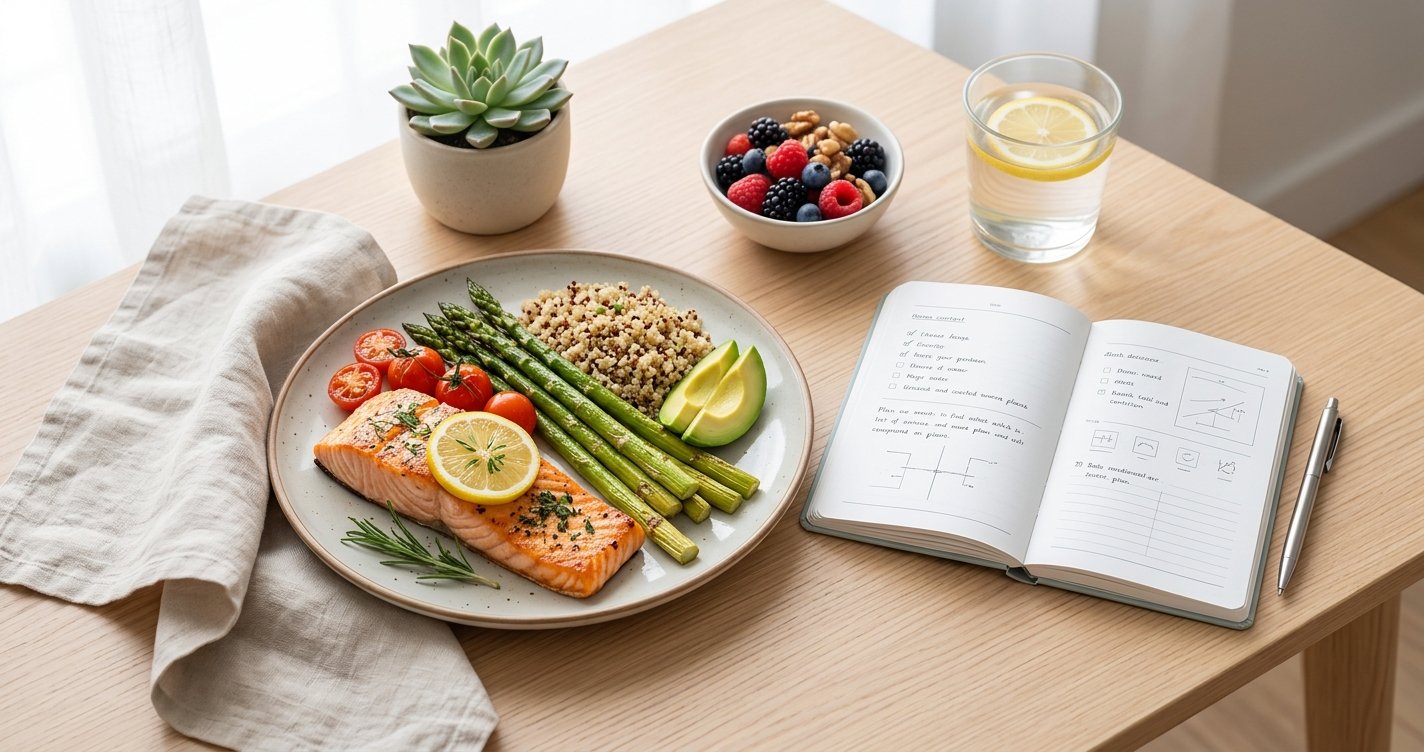
Aim for a protein source with every meal and snack. Good sources include lean meats (chicken, turkey), fish, eggs, dairy products (Greek yogurt, cottage cheese), legumes (beans, lentils), and tofu.
Fiber-Rich Foods: The Secret to Feeling Full & Gut Health
Another unsung hero in the fat loss journey is fiber. Often overlooked, fiber plays a critical role in both satiety and overall health.
- Enhanced Satiety: Fiber adds bulk to your meals without adding many calories. It slows down digestion, helping you feel fuller for longer and preventing those sudden hunger pangs that can lead to overeating.
- Blood Sugar Control: Soluble fiber, in particular, helps to stabilize blood sugar levels, preventing the spikes and crashes that often lead to cravings for sugary, calorie-dense foods.
- Gut Health: Fiber is essential for a healthy digestive system. A healthy gut microbiome has been linked to improved metabolism and weight management.
Load up on fruits, vegetables, whole grains (oats, quinoa, brown rice), and legumes. These foods are not only rich in fiber but also packed with essential vitamins and minerals.
Hydration Habits: Fueling Your Metabolism & Curbing Cravings
Often underestimated, proper hydration is a simple yet powerful tool for fat loss. Water is vital for nearly every bodily function, including metabolism.
- Boosts Metabolism: Research suggests that drinking enough water can slightly increase your metabolic rate, helping your body burn more calories.
- Curbs Cravings: Sometimes, your body confuses thirst with hunger. Staying well-hydrated can help you distinguish true hunger from mere dehydration, preventing unnecessary snacking.
- Aids Digestion: Water helps your body process nutrients and eliminate waste, supporting overall digestive health.
Aim for at least 8 glasses (around 2 liters) of water daily, and even more if you're active or in a hot climate. Keep a water bottle handy and sip throughout the day.
Smart Carb & Fat Choices: Quality Over Quantity
Embracing Smart Carbohydrates
Carbohydrates have often been demonized in the fat loss world, but they are essential for energy, especially if you're active. The key is to choose the right kind of carbs.
- Complex Carbs: Prioritize complex carbohydrates found in whole grains, vegetables, and fruits. These are rich in fiber, digest slowly, and provide sustained energy without drastic blood sugar spikes.
- Limit Refined Carbs: Minimize refined carbohydrates like white bread, sugary cereals, and pastries. These offer little nutritional value, cause rapid blood sugar spikes, and can lead to energy crashes and increased hunger.
Understanding Healthy Fats
Fats are calorie-dense, but they are also crucial for hormone production, nutrient absorption, and satiety. The goal is not to eliminate fats, but to choose healthy, unsaturated fats in moderation.
- Healthy Fats: Include sources like avocados, nuts, seeds, olive oil, and fatty fish (salmon, mackerel). These provide essential fatty acids and can contribute to satiety.
- Portion Control is Key: Because fats are calorie-dense, even healthy fats need to be consumed in appropriate portions to stay within your calorie deficit.
The Whole Foods Advantage: Ditching Processed for Progress
One of the most impactful shifts you can make for sustainable fat loss is to prioritize whole, unprocessed foods. These are foods that are as close to their natural state as possible.
- Nutrient Density: Whole foods are typically packed with vitamins, minerals, and antioxidants, providing more bang for your caloric buck.
- Fewer Empty Calories: Processed foods often contain high amounts of added sugars, unhealthy fats, and sodium, contributing to excess calories without providing much nutritional value.
- Natural Satiety Cues: Whole foods often require more chewing and are digested more slowly, giving your body time to register fullness.
Make your grocery list revolve around the perimeter of the supermarket: fresh produce, lean proteins, and dairy. Limit items from the center aisles, which are often laden with processed goods.
Mindful Eating: Reconnecting with Your Body's Wisdom
Beyond what you eat, how you eat plays a significant role in fat loss. Mindful eating is about paying attention to your food, your body's hunger and fullness cues, and the experience of eating.
- Slow Down: It takes about 20 minutes for your brain to register that your stomach is full. Eating slowly gives your body time to send these signals, preventing overeating.
- Eliminate Distractions: Turn off the TV, put away your phone. Focus on the taste, texture, and smell of your food.
- Listen to Your Body: Eat when you're truly hungry, and stop when you're comfortably full, not stuffed.
Consistency, Not Perfection: The Marathon of Sustainable Fat Loss
Finally, remember that sustainable fat loss is a marathon, not a sprint. There will be days when you make less-than-perfect choices, and that's absolutely okay. What matters most is consistency over time.
Don't let one 'slip-up' derail your entire journey. Get back on track with your healthy habits at the next meal. Celebrate your small victories, learn from setbacks, and be patient with yourself. This is about building a healthier lifestyle that you can maintain forever, not just for a few weeks.
Your Journey to Lasting Fat Loss Starts Now
Sustainable fat loss isn't about magic pills or extreme diets; it's about understanding your body and fueling it with nutrient-dense, satisfying foods while maintaining a moderate calorie deficit. By focusing on protein, fiber, hydration, whole foods, smart carb and fat choices, and mindful eating, you're not just losing weight – you're building a foundation for lifelong health and well-being.
Start small, implement one or two changes at a time, and watch how these evidence-based strategies transform your body and your relationship with food. You've got this!