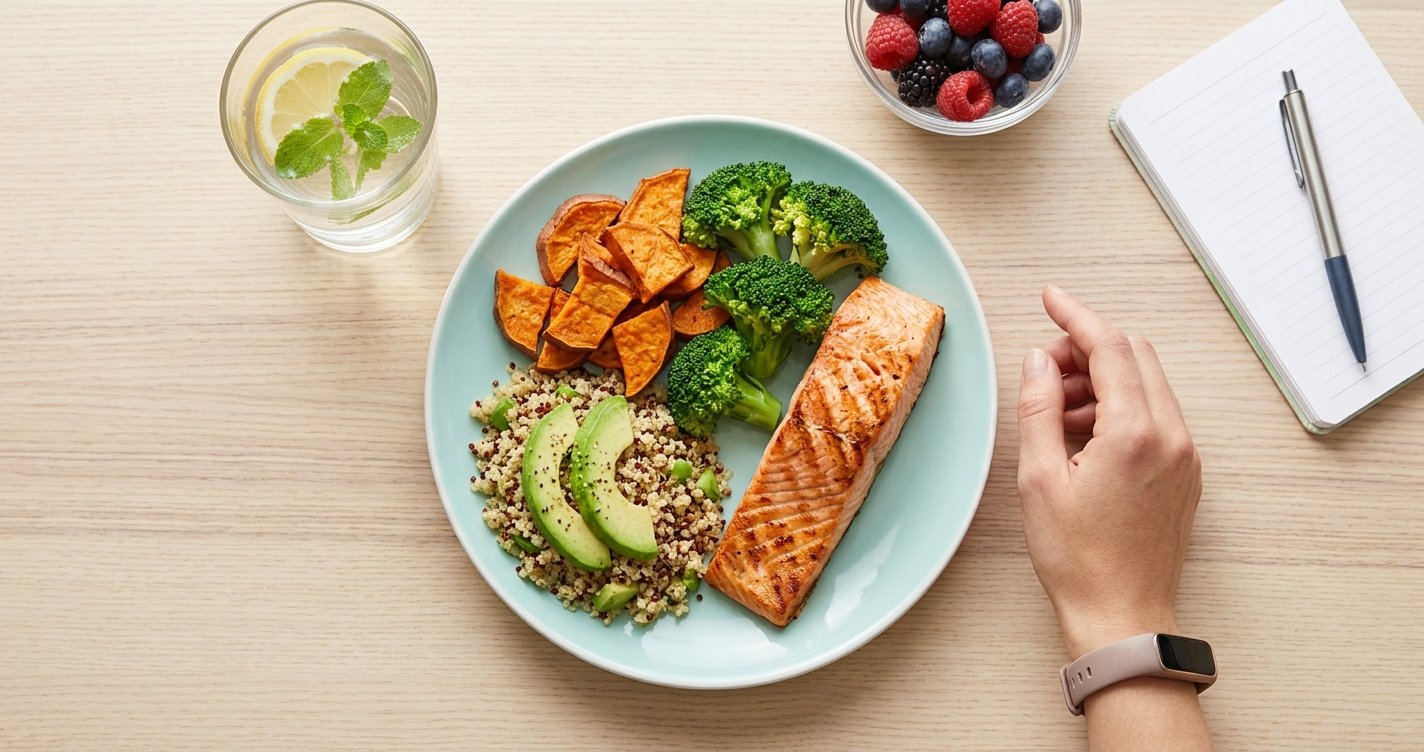
Unlock Sustainable Fat Loss: Your Evidence-Based Guide to Nutrition Success
Are you tired of the endless cycle of crash diets, quick fixes, and the frustration of losing weight only to gain it back? You're not alone. Many people embark on a fat loss journey with enthusiasm, only to be met with disappointment because they lack a sustainable, evidence-based approach. The good news? Sustainable fat loss isn't about deprivation or extreme measures; it's about making smart, informed nutritional choices that you can stick with for life.
This guide will empower you with the knowledge and practical strategies to achieve lasting fat loss through nutrition. We'll cut through the noise, focus on what truly works according to science, and help you build habits that support not just a leaner body, but a healthier, more energetic you. Let's ditch the quick fixes and embrace a path to genuine, sustainable success. this excellent wellness product
The Foundation: Understanding the Calorie Deficit
At the heart of all effective fat loss strategies lies one non-negotiable principle: the calorie deficit. Simply put, to lose fat, you must consume fewer calories than your body burns. Your body needs a certain amount of energy (calories) to perform all its daily functions, from breathing and thinking to exercising. If you consistently provide less energy than it needs, your body will tap into its stored energy reserves – primarily body fat – to make up the difference.
This isn't about starving yourself; it's about creating a moderate and manageable energy gap. Understanding this fundamental concept is crucial because without it, even the 'healthiest' foods can lead to weight gain if consumed in excess. It's the bedrock upon which all other successful nutrition strategies for fat loss are built.
How to Calculate Your Deficit (Simply)
Calculating your calorie deficit doesn't have to be complicated. You can start by estimating your Total Daily Energy Expenditure (TDEE), which is the total number of calories your body burns in a day, factoring in your Basal Metabolic Rate (BMR) and your activity level. Online calculators can provide a good starting point. Once you have an estimate for your TDEE, aim to consume 300-500 calories less than that number daily. This moderate deficit is generally considered safe, effective, and sustainable, leading to a healthy fat loss rate of 1-2 pounds per week.
Remember, these are estimates. Listen to your body, track your progress, and adjust as needed. The goal is consistency and adherence, not perfection. You can track your intake using a food diary or a calorie-tracking app for a few weeks to get a better understanding of your eating habits.
Power of Protein: Why It's Your Fat Loss Ally
When it comes to fat loss, protein is your best friend. It plays several critical roles that make your journey smoother and more effective. Firstly, protein is incredibly satiating, meaning it helps you feel fuller for longer. This reduces overall hunger and cravings, making it easier to stick to your calorie deficit. Secondly, protein helps preserve lean muscle mass during fat loss. Muscle is metabolically active, meaning it burns more calories at rest than fat does. Maintaining muscle mass ensures your metabolism stays robust.
Finally, protein has a higher thermic effect of food (TEF) than carbohydrates or fats. This means your body expends more energy (calories) to digest, absorb, and metabolize protein, giving you a slight metabolic boost. Prioritizing protein is a smart, evidence-based strategy for anyone looking to optimize their body composition.
Sources and Intake Recommendations
To harness the power of protein, aim to include a good source with every meal and snack. Excellent protein sources include lean meats (chicken breast, turkey, lean beef), fish (salmon, cod, tuna), eggs, dairy products (Greek yogurt, cottage cheese), legumes (lentils, beans), tofu, tempeh, and protein powder. For optimal fat loss and muscle preservation, a general guideline is to consume around 0.7 to 1.0 grams of protein per pound of your target body weight or lean body mass per day. Spread your protein intake throughout the day to maximize satiety and muscle protein synthesis.
Embrace Whole Foods: Fueling Your Body Right
While a calorie deficit is paramount, the quality of your calories matters immensely for overall health, satiety, and sustainable fat loss. Focusing on whole, unprocessed foods means choosing ingredients that are as close to their natural state as possible. Think fresh fruits, vegetables, whole grains, lean proteins, and healthy fats. These foods are nutrient-dense, providing essential vitamins, minerals, and antioxidants that support bodily functions and overall well-being.
In contrast, highly processed foods often contain added sugars, unhealthy fats, and artificial ingredients that offer little nutritional value. They tend to be less satiating, easier to overeat, and can contribute to inflammation and other health issues. Shifting your diet towards whole foods is a powerful step towards not just fat loss, but vibrant health.
Fiber's Role in Satiety and Gut Health
Within the realm of whole foods, fiber deserves a special mention. Found abundantly in fruits, vegetables, whole grains, and legumes, dietary fiber is indigestible plant material that plays a crucial role in fat loss. Fiber adds bulk to your meals, helping you feel full and satisfied without adding significant calories. It slows down digestion, stabilizing blood sugar levels and preventing energy crashes and subsequent cravings.
Beyond satiety, fiber is vital for a healthy gut microbiome. A balanced gut is increasingly linked to better weight management and overall metabolic health. By increasing your intake of fiber-rich whole foods, you're not just curbing hunger; you're nourishing your gut and supporting your body's natural fat-burning processes.
Mastering Portions and Mindful Eating
Even with the healthiest foods, portion control remains a cornerstone of sustainable fat loss. While nutrient-dense foods are excellent, they still contain calories. Overeating even healthy fats or complex carbohydrates can hinder your progress. Learning to gauge appropriate portion sizes is a skill that develops over time, but it's essential for staying within your calorie target without feeling overly restricted.
Pairing portion control with mindful eating practices can revolutionize your relationship with food. Mindful eating involves paying full attention to your food – its taste, texture, aroma – and listening to your body's hunger and fullness cues. It means slowing down, savoring each bite, and eating without distractions. This practice helps you recognize when you're truly hungry and, more importantly, when you're satisfied, preventing mindless overconsumption.
Hydration and Smart Snacking
Often underestimated, proper hydration is a simple yet powerful tool for fat loss. Drinking enough water can help you feel fuller, sometimes alleviating what you might mistake for hunger. Water is also essential for metabolic processes that burn fat. Aim for at least 8 glasses of water a day, and consider drinking a glass before meals to aid satiety. Herbal teas and infused water are great options if you find plain water boring.
When it comes to snacks, choose wisely. Smart snacking can bridge the gap between meals, prevent extreme hunger, and keep your energy levels stable, reducing the likelihood of overeating at your next meal. Opt for nutrient-dense snacks like a piece of fruit with a handful of nuts, Greek yogurt, vegetable sticks with hummus, or hard-boiled eggs. Avoid highly processed, sugary snacks that offer fleeting satisfaction and empty calories.
Beyond the Plate: Lifestyle Factors for Success
While nutrition is the primary driver of fat loss, it doesn't operate in a vacuum. Several lifestyle factors significantly impact your body's ability to shed fat sustainably. Adequate sleep is crucial; chronic sleep deprivation can disrupt hunger-regulating hormones (ghrelin and leptin) and increase cortisol, a stress hormone linked to belly fat storage. Aim for 7-9 hours of quality sleep each night.
Stress management is equally important. High stress levels also elevate cortisol, making fat loss more challenging. Incorporate stress-reducing activities like meditation, yoga, spending time in nature, or hobbies you enjoy. Finally, while this guide focuses on nutrition, remember that regular physical activity complements your dietary efforts by burning additional calories, building muscle, and improving overall health. A holistic approach yields the best long-term results.
Your Journey to Sustainable Success
Embarking on a sustainable fat loss journey through nutrition is a commitment to yourself, your health, and your future. It's not about perfection, but about consistent, incremental improvements. You'll encounter challenges, but remember that every healthy choice you make is a step forward. Be patient with yourself, celebrate small victories, and focus on building habits that you can maintain for the long haul.
By prioritizing a moderate calorie deficit, embracing protein and whole, fiber-rich foods, practicing mindful eating, staying hydrated, and managing stress and sleep, you're not just losing weight – you're building a foundation for lifelong health and vitality. This isn't a temporary diet; it's a sustainable lifestyle transformation. Start today, one conscious choice at a time, and unlock the lasting results you deserve.