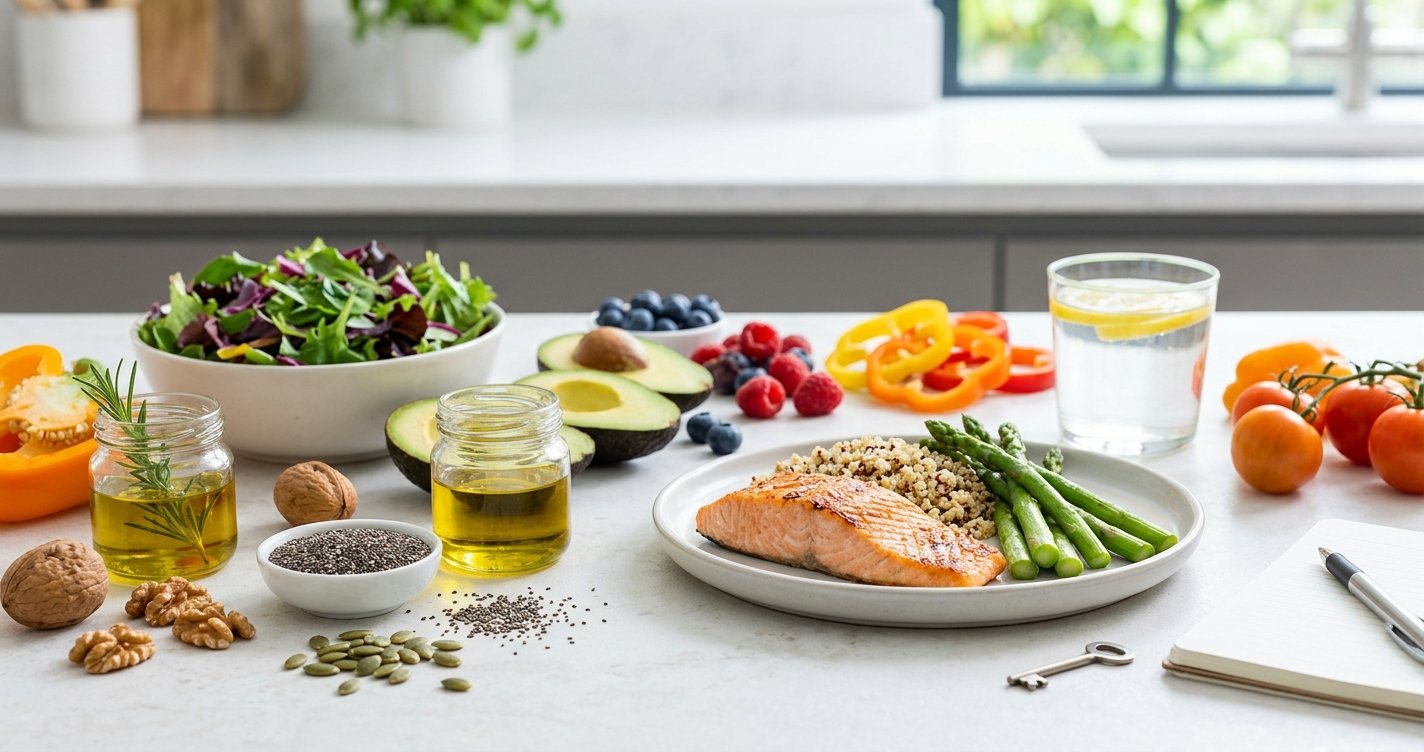
Tired of Yo-Yo Diets? Discover Sustainable Nutrition for Real Fat Loss!
Let's be honest: the world of fat loss can feel like a confusing maze. One day it's keto, the next it's intermittent fasting, then suddenly a new 'superfood' is the answer to all your problems. It's enough to make anyone throw their hands up in frustration!
But what if we told you that sustainable fat loss doesn't have to be complicated, restrictive, or involve extreme measures? What if the secret lies not in deprivation, but in understanding a few fundamental nutrition principles that work with your body, not against it? This isn't about quick fixes; it's about building lasting habits that lead to real, maintainable results. Ready to ditch the diet drama and embrace a smarter, friendlier approach to fat loss? Let's dive in! this excellent wellness product
The Non-Negotiable Core: Understanding Your Calorie Deficit
At its heart, fat loss boils down to one simple, scientific truth: you need to consume fewer calories than your body burns. This is known as a calorie deficit. Think of your body as a car and calories as fuel. If you put in less fuel than you use, the car starts tapping into its reserves – which, in your case, is stored body fat.
How to Create a Smart Calorie Deficit
- Estimate Your Total Daily Energy Expenditure (TDEE): This is the number of calories your body burns in a day, including basal metabolic rate (BMR), activity, and digestion. Online calculators can give you a good starting estimate by plugging in your age, gender, weight, height, and activity level.
- Aim for a Moderate Deficit: Once you have your TDEE, subtract 300-500 calories. This typically creates a sustainable deficit that allows for steady fat loss (around 1-2 pounds per week) without feeling overly deprived or risking muscle loss. Extreme deficits (e.g., 1000+ calories below TDEE) are often unsustainable, lead to nutrient deficiencies, and can trigger metabolic adaptations that make future fat loss harder.
- Listen to Your Body: Your TDEE is an estimate. Pay attention to your hunger levels, energy, and how you feel. Adjust your intake slightly if needed. The goal is to feel satisfied, not stuffed, and certainly not starved.
Remember, consistency is key here. A small, consistent deficit over time yields far better results than sporadic, extreme dieting.
Protein Power: Your Best Friend for Fat Loss
If there's one macronutrient you should prioritize for fat loss, it's protein. Protein is a superstar for several compelling reasons, making it an invaluable ally on your journey.
Why Protein is a Fat Loss Game-Changer:
- Satiety Superpower: Protein is incredibly filling. Eating adequate protein helps you feel fuller for longer, reducing overall calorie intake by curbing hunger and preventing mindless snacking. It impacts satiety hormones like GLP-1 and PYY, sending signals to your brain that you're satisfied.
- Muscle Preservation: When you're in a calorie deficit, your body can sometimes break down muscle tissue for energy, not just fat. Adequate protein intake provides the building blocks your muscles need, helping to preserve lean muscle mass. Why is this important? Because muscle is metabolically active, meaning it burns more calories at rest than fat does!
- Thermic Effect of Food (TEF): Protein has a higher TEF than carbohydrates or fats. This means your body expends more energy (burns more calories) to digest, absorb, and metabolize protein. It's a small but significant metabolic boost!
How Much Protein Do You Need?
For fat loss, a good general guideline is to aim for 1.6 to 2.2 grams of protein per kilogram of body weight (or about 0.7 to 1 gram per pound of ideal body weight). Spread your protein intake across your meals to maximize its benefits. Excellent sources include lean meats (chicken, turkey, beef), fish, eggs, dairy (Greek yogurt, cottage cheese), legumes, lentils, and plant-based protein powders.
Beyond Calories & Protein: The Role of Fiber and Whole Foods
While calories and protein are foundational, the quality of your food choices significantly impacts your fat loss journey and overall health. This is where fiber and whole, unprocessed foods shine.
The Magic of Fiber
- Enhanced Satiety: Like protein, fiber helps you feel full. Soluble fiber forms a gel-like substance in your digestive tract, slowing digestion and nutrient absorption.
- Gut Health Hero: Fiber feeds beneficial gut bacteria, which play a crucial role in metabolism, immune function, and even mood. A healthy gut is a happy metabolism!
- Blood Sugar Regulation: Fiber helps stabilize blood sugar levels, preventing the spikes and crashes that can lead to cravings and energy dips.
Load up on fiber-rich foods like fruits, vegetables, whole grains (oats, quinoa, brown rice), beans, and nuts.
Embrace Whole Foods
Focus on consuming foods in their most natural, unprocessed state. Think fresh produce, lean proteins, healthy fats, and complex carbohydrates. These foods are packed with essential vitamins, minerals, and antioxidants that support overall health, energy levels, and metabolic function. Highly processed foods, on the other hand, often contain empty calories, unhealthy fats, added sugars, and sodium, which can hinder fat loss and negatively impact health.
Practical Tips for Everyday Success
Knowing what to do is one thing; consistently doing it is another. Here are some friendly, actionable tips to integrate these strategies into your daily life:
- Meal Planning & Prep: Dedicate some time each week to plan your meals and snacks. Prepare components in advance (e.g., cook a batch of chicken, chop veggies). This removes decision fatigue and makes healthy choices easier when hunger strikes.
- Mindful Eating: Slow down and pay attention to your food. Savor each bite, notice the flavors and textures. Eat without distractions (no TV, phone). This helps you recognize your body's hunger and fullness cues more effectively.
- Hydration is Key: Often, thirst can be mistaken for hunger. Drink plenty of water throughout the day. Aim for at least 8 glasses. Sometimes, a glass of water can curb an unnecessary craving.
- Track (If It Helps!): For some, tracking calories and protein intake for a period can be incredibly insightful, helping to build awareness of portion sizes and nutritional content. However, it's not meant to be a lifelong commitment. Use it as a learning tool.
- Smart Snacking: If you need snacks, make them count. Think protein-rich options like Greek yogurt, cottage cheese, a hard-boiled egg, or a handful of nuts with an apple.
The Patience Principle: Why Sustainability Wins
Fat loss is a journey, not a race. There will be days when you feel motivated and days when you struggle. That's perfectly normal! The most successful approach isn't about perfection; it's about consistency and resilience.
Focus on Progress, Not Perfection
Don't get discouraged by slow progress or occasional setbacks. Celebrate small victories! Remember that weight on the scale isn't the only measure of success. Pay attention to how your clothes fit, your energy levels, your strength, and your overall well-being. Building healthy habits takes time, and these habits are far more valuable than any crash diet.
Embrace the process of learning about your body and what works best for you. This sustainable approach empowers you to make informed choices that benefit your health and help you achieve lasting fat loss, transforming your relationship with food for good.
Ready to Start Your Sustainable Fat Loss Journey?
You now have the fundamental tools and understanding to approach fat loss in a way that is both effective and enjoyable. By focusing on a moderate calorie deficit, prioritizing protein, embracing fiber, and choosing whole foods, you're setting yourself up for success – not just for a few weeks, but for life.
It's time to stop chasing fleeting trends and start building a foundation of healthy habits that will serve you well for years to come. Be kind to yourself, stay consistent, and enjoy the journey to a healthier, happier you!