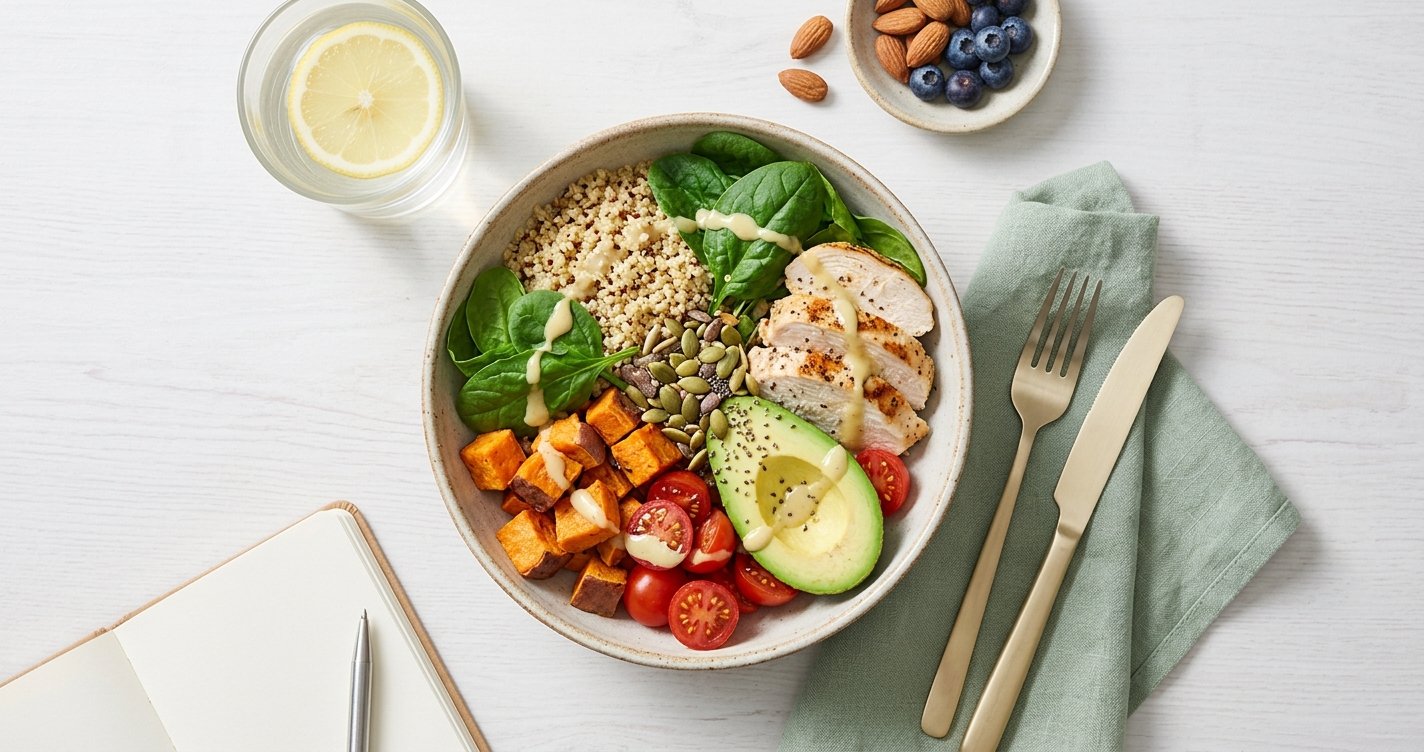
Are you tired of the endless cycle of restrictive diets, quick fixes, and disappointing results when it comes to fat loss? You're not alone. Many people embark on a fat loss journey with enthusiasm, only to find themselves burnt out, hungry, and frustrated a few weeks later. The good news? Sustainable fat loss isn't about deprivation or extreme measures; it's about smart, evidence-based nutrition strategies and building habits that you can maintain for life. This isn't just about shedding pounds; it's about cultivating a healthier, more energetic you. Let's dive into how you can achieve lasting fat loss without sacrificing your sanity.
Beyond Crash Diets: Why Sustainability Matters for Fat Loss
The diet industry is flooded with promises of rapid weight loss, often through highly restrictive or trendy eating plans. While these might deliver quick initial results, they rarely lead to long-term success. Why? Because they're unsustainable. Our bodies and minds rebel against extreme deprivation, often leading to rebound weight gain, a slower metabolism, and a negative relationship with food. True fat loss is a marathon, not a sprint. It requires a shift in mindset from temporary fixes to permanent lifestyle changes that nourish your body and support your overall well-being. this excellent wellness product
Focusing on sustainability means choosing strategies that you can comfortably integrate into your daily life, enjoy, and continue indefinitely. This approach not only helps you lose fat effectively but also keeps it off, improves your health markers, and boosts your energy levels, all while allowing for flexibility and enjoyment of food.
The Foundation: Understanding Calorie Deficit (Without Obsession)
At its core, fat loss boils down to one fundamental principle: consuming fewer calories than your body expends. This creates a 'calorie deficit,' forcing your body to tap into its stored fat reserves for energy. While this concept is simple, its application doesn't have to be complicated or obsessive.
What is a Calorie Deficit?
Imagine your body as a car. Food is the fuel, and daily activities (breathing, walking, exercising) are how you burn that fuel. If you put less fuel in than you burn, your car eventually uses up its reserves. Similarly, if you consistently eat slightly fewer calories than your body needs to maintain its current weight, you will gradually lose fat. You can estimate your daily calorie needs (Total Daily Energy Expenditure, or TDEE) using online calculators, then aim to eat about 300-500 calories less than that number. However, you don't need to meticulously count every single calorie. A more practical approach often involves mindful eating and smart food choices.
It's Not Just About Less, It's About Better
While a calorie deficit is non-negotiable for fat loss, the quality of those calories is just as crucial. Eating 1500 calories of highly processed junk food will yield vastly different results (and feelings) than 1500 calories of nutrient-dense, whole foods. Nutrient-rich foods provide essential vitamins, minerals, and fiber, keeping you feeling full, energized, and supporting your body's vital functions. This leads us to the practical strategies for filling your plate wisely.
Power Up Your Plate: Key Nutritional Strategies for Fat Loss
Now that we understand the 'why' behind calorie deficits and nutrient quality, let's explore the 'how' with specific, actionable nutrition strategies.
Prioritize Protein: The Satiety Superstar
If there's one macronutrient to focus on for fat loss, it's protein. Protein is incredibly satiating, meaning it helps you feel fuller for longer, reducing the likelihood of overeating. It also has a higher thermic effect of food (TEF) compared to carbs and fats, meaning your body burns more calories digesting it. Furthermore, adequate protein intake is crucial for preserving lean muscle mass during a calorie deficit, which is vital for maintaining a healthy metabolism.
- How to do it: Aim for a lean protein source with every meal. Think chicken breast, turkey, lean beef, fish, eggs, Greek yogurt, cottage cheese, tofu, lentils, or beans.
Embrace Fiber-Rich Foods: Your Digestive Ally
Fiber is another powerhouse nutrient for fat loss and overall health. Found abundantly in plant foods, fiber adds bulk to your meals without adding many calories, helping you feel satisfied. It also slows down digestion, which can stabilize blood sugar levels, prevent energy crashes, and curb cravings. Beyond fat loss, fiber is essential for a healthy gut microbiome and regular digestion.
- How to do it: Load up on non-starchy vegetables (broccoli, spinach, bell peppers), fruits (berries, apples), whole grains (oats, quinoa, brown rice), and legumes (chickpeas, black beans).
Don't Fear Healthy Fats: Moderation is Key
Fat often gets a bad rap, but healthy fats are essential for hormone production, nutrient absorption, and satiety. While calorie-dense, incorporating moderate amounts of healthy fats can keep you feeling full and satisfied, preventing unhealthy snacking. The key is choosing the right types and being mindful of portion sizes.
- How to do it: Include sources like avocados, nuts, seeds (chia, flax, hemp), olive oil, and fatty fish (salmon, mackerel) in your diet. A small handful of nuts or a drizzle of olive oil can go a long way.
Mind Your Carbs: Quality Over Quantity
Carbohydrates are your body's primary energy source, and cutting them out entirely is often unnecessary and unsustainable. The focus should be on choosing complex, whole-food carbohydrates over refined, processed ones. Complex carbs provide sustained energy and fiber, while refined carbs (like white bread, sugary drinks, pastries) can lead to blood sugar spikes and subsequent crashes, leaving you hungry and sluggish.
- How to do it: Opt for whole grains, starchy vegetables (sweet potatoes, squash), and fruits. Limit added sugars and highly processed grains. Consider timing your carb intake around your workouts for optimal energy.
Beyond What You Eat: Habits for Lasting Success
Nutrition isn't just about the food on your plate; it's also about your relationship with food and the habits surrounding your meals. These behavioral strategies are just as crucial for sustainable fat loss.
Mindful Eating: Savoring Every Bite
In our fast-paced world, it's easy to eat quickly and mindlessly, often while distracted by screens. Mindful eating involves paying attention to your food – its taste, texture, and smell – and recognizing your body's hunger and fullness cues. This practice can prevent overeating and enhance your enjoyment of food.
- How to do it: Eat slowly, chew thoroughly, put your fork down between bites, and check in with your hunger levels throughout the meal. Avoid eating in front of the TV or computer.
Hydration: Often Overlooked, Always Important
Water is vital for countless bodily functions, including metabolism. Sometimes, thirst can be mistaken for hunger, leading to unnecessary snacking. Staying well-hydrated can help manage appetite and support overall energy levels.
- How to do it: Aim for at least 8 glasses of water daily. Keep a water bottle handy and sip throughout the day. Add a squeeze of lemon or cucumber for flavor if plain water isn't appealing.
Meal Planning & Prep: Your Secret Weapon
Failing to plan is planning to fail, especially when it comes to healthy eating. When you're hungry and unprepared, convenience often wins, leading to less healthy choices. Meal planning and prepping ensure you have nutritious options readily available, reducing impulsive decisions.
- How to do it: Dedicate some time each week to plan your meals and snacks. Prepare ingredients in advance (chopping veggies, cooking grains) or cook entire meals ahead of time.
Sleep & Stress Management: The Unsung Heroes of Fat Loss
It might seem unrelated, but adequate sleep and effective stress management significantly impact your fat loss journey. Lack of sleep and chronic stress can disrupt hormones that regulate appetite (ghrelin and leptin) and fat storage (cortisol), making fat loss incredibly difficult, even with a perfect diet.
- How to do it: Aim for 7-9 hours of quality sleep per night. Implement stress-reducing activities like meditation, yoga, reading, or spending time in nature.
Navigating Challenges and Staying Motivated
Your fat loss journey won't always be linear, and that's perfectly normal. There will be days when you feel demotivated or slip up. The key is how you respond to these challenges.
Flexibility Over Perfection
Don't aim for perfection; aim for consistency and progress. The 80/20 rule (eating healthily 80% of the time and allowing for treats 20% of the time) can be a sustainable approach. It prevents feelings of deprivation and makes your eating plan enjoyable and livable long-term.
Track Progress Beyond the Scale
The scale doesn't tell the whole story. Muscle weighs more than fat, and fluctuations in water weight are common. Look for other indicators of progress: how your clothes fit, changes in body measurements, increased energy levels, improved mood, and better sleep. Celebrate these non-scale victories!
Seek Support & Professional Guidance (When Needed)
Don't hesitate to seek support from friends, family, or online communities. If you're struggling or have specific health concerns, consider consulting a registered dietitian or a certified personal trainer. They can provide personalized advice and accountability tailored to your unique needs.
Your Journey to Lasting Fat Loss Starts Now
Sustainable fat loss is not about chasing fleeting trends; it's about building a foundation of healthy, enjoyable eating habits and lifestyle choices that empower you for the long haul. By focusing on nutrient-dense foods, understanding your body's needs, and cultivating mindful practices, you can achieve your fat loss goals and maintain them for life. Start small, be consistent, and be kind to yourself throughout the process. Your healthier, happier self is waiting!