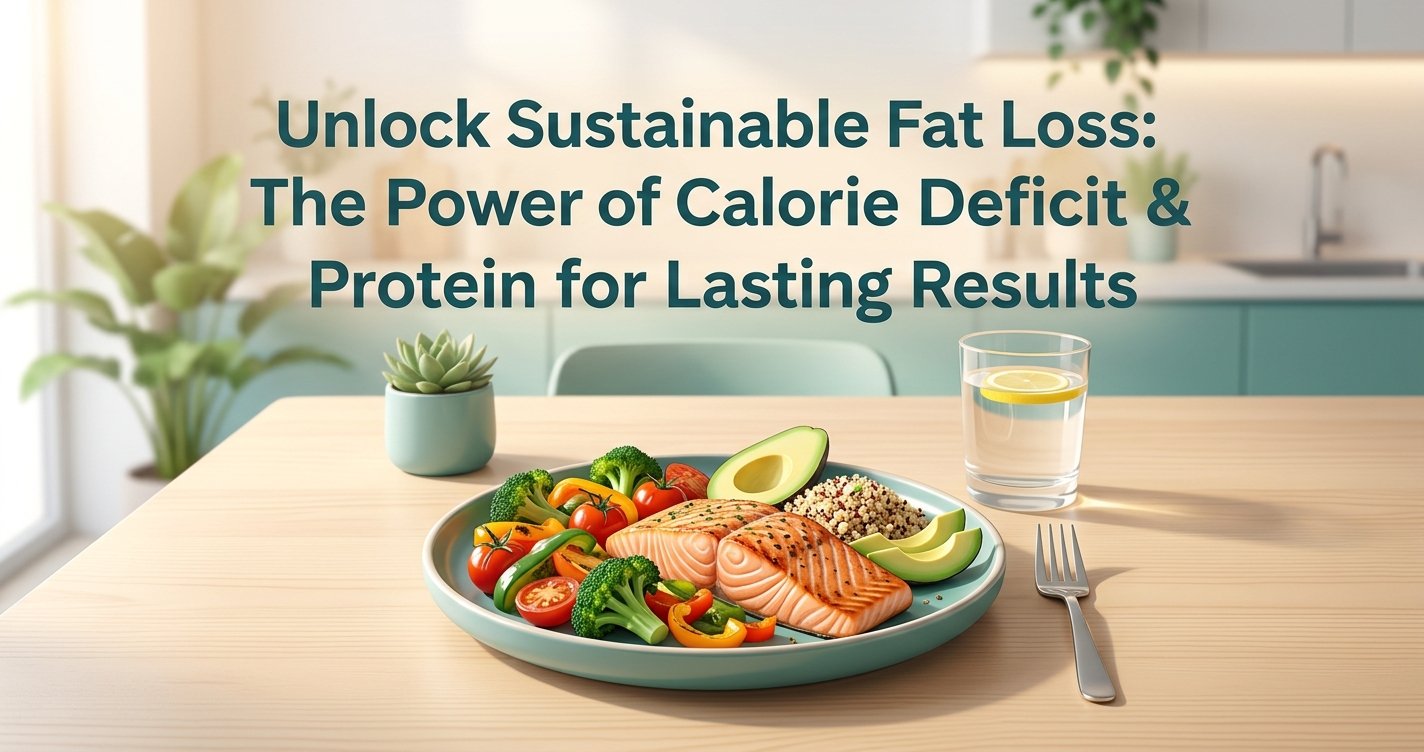
Unlock Sustainable Fat Loss: The Power of Calorie Deficit & Protein for Lasting Results
Are you tired of fad diets that promise quick fixes but deliver only disappointment? Do you dream of achieving sustainable fat loss without feeling deprived or constantly battling hunger? You’re not alone. The journey to a healthier, leaner you doesn't have to be a confusing maze of conflicting advice. The truth is, the most effective and sustainable path to fat loss is rooted in simple, evidence-based principles: understanding your calorie deficit and harnessing the incredible power of protein.
Forget extreme cleanses or restrictive plans that are impossible to maintain. This guide will walk you through a friendly, encouraging, and science-backed approach to fat loss that focuses on consistency, nourishing your body, and building habits that last a lifetime. Let's demystify fat loss together and set you on a path to real, lasting change. this excellent wellness product
The Core Principle: Understanding the Calorie Deficit
At the heart of all fat loss lies one non-negotiable truth: you must consume fewer calories than your body expends. This is known as a calorie deficit. Think of your body like a car. If you put in less fuel than you burn, eventually, it starts using its reserves. For humans, those reserves are stored body fat.
Why the Calorie Deficit is Non-Negotiable
No matter what diet you follow – keto, paleo, low-carb, high-carb – if you are losing fat, you are, by definition, in a calorie deficit. Some diets might make it easier to achieve this deficit by influencing satiety or food choices, but the underlying mechanism remains the same. Understanding this fundamental principle empowers you because it shifts your focus from chasing specific foods to managing overall energy balance.
How to Calculate Your Maintenance and Deficit
Estimating your calorie needs is a great starting point. Your Basal Metabolic Rate (BMR) is the number of calories your body burns at rest. Your Total Daily Energy Expenditure (TDEE) includes your BMR plus the calories you burn through daily activity and exercise.
- Estimate your TDEE: You can use online calculators (search for 'TDEE calculator') that take into account your age, weight, height, gender, and activity level.
- Create a Deficit: Once you have your TDEE, subtract 300-500 calories to create a moderate, sustainable deficit. For most people, a 500-calorie daily deficit aims for approximately one pound of fat loss per week (since roughly 3,500 calories equals one pound of fat).
Remember, these are estimates. Your body is unique, so listen to it and adjust as needed. The goal is a deficit that feels manageable and doesn't leave you feeling constantly starved.
Powering Up with Protein: Your Fat Loss MVP
While a calorie deficit is the engine of fat loss, protein is the fuel that optimizes the ride. Prioritizing protein is arguably the most impactful dietary strategy for anyone aiming to lose fat while preserving muscle and feeling satisfied.
Why Protein is Crucial for Fat Loss
- Satiety Superstar: Protein is incredibly filling. It helps you feel fuller for longer, reducing cravings and making it easier to stick to your calorie deficit.
- Muscle Preservation: When you're in a calorie deficit, your body can sometimes break down muscle tissue for energy. Adequate protein intake signals to your body to hold onto that valuable muscle, ensuring that the weight you lose is primarily fat. More muscle also means a higher resting metabolism!
- Thermic Effect of Food (TEF): Protein has a higher TEF than carbs or fats. This means your body expends more energy (calories) digesting and metabolizing protein. It's like a small metabolic boost with every protein-rich meal.
Recommended Protein Intake for Fat Loss
For optimal fat loss and muscle preservation, aim for 1.6 to 2.2 grams of protein per kilogram of body weight (or 0.7 to 1 gram per pound of body weight). Spread your protein intake throughout the day across your meals and snacks.
Excellent Sources of Protein
- Lean Meats: Chicken breast, turkey, lean beef, pork loin.
- Fish & Seafood: Salmon, tuna, cod, shrimp.
- Dairy: Greek yogurt, cottage cheese, milk.
- Eggs: Whole eggs or egg whites.
- Legumes: Lentils, beans, chickpeas.
- Plant-Based: Tofu, tempeh, edamame, protein powder (whey, casein, soy, pea).
Beyond Calories & Protein: The Role of Other Macronutrients
While calories and protein are foundational, carbohydrates and fats also play vital roles in overall health, energy levels, and adherence to your plan. It’s about balance, not elimination.
Fats: Essential but Calorie-Dense
Dietary fats are crucial for hormone production, nutrient absorption, and overall cell function. However, they are the most calorie-dense macronutrient (9 calories per gram compared to 4 for protein and carbs), so moderation is key, especially when in a deficit.
- Focus on Healthy Fats: Avocados, nuts, seeds, olive oil, fatty fish.
- Aim for 20-30% of your total daily calories from fat.
Carbohydrates: Energy, Fiber, and Context
Carbohydrates are your body's preferred energy source. They fuel your brain and muscles, especially during exercise. The type and timing of carbs matter more than outright restriction.
- Prioritize Complex Carbs: Whole grains (oats, brown rice, quinoa), fruits, vegetables. These provide fiber, which aids digestion, satiety, and sustained energy.
- Limit Refined Carbs: Sugary drinks, white bread, pastries, and highly processed snacks offer little nutritional value and can lead to energy crashes.
- Carb Intake: The remaining portion of your calories after protein and fat will come from carbohydrates. This can vary widely based on individual preference and activity level.
Practical Strategies for Sustainable Success
Knowledge is power, but application is key. Here are practical tips to help you implement these principles consistently and sustainably.
- Mindful Tracking (Not Obsessing): For a period, try tracking your food intake using an app. This isn't about lifelong obsession, but about building awareness of calorie content and macronutrient distribution in your typical meals. It's a powerful educational tool.
- Meal Planning & Prep: Spend a little time each week planning your meals and snacks. Prepare some components in advance (e.g., cook a batch of chicken, chop veggies). This reduces decision fatigue and makes healthy choices easier when you're busy or tired.
- Hydration is Key: Often overlooked, drinking plenty of water can help with satiety, boost metabolism, and improve overall health. Sometimes, what feels like hunger is actually thirst.
- Prioritize Sleep: Poor sleep can disrupt hormones that regulate hunger (ghrelin) and satiety (leptin), making fat loss significantly harder. Aim for 7-9 hours of quality sleep per night.
- Manage Stress: Chronic stress can lead to increased cortisol levels, which can promote fat storage, especially around the midsection, and increase cravings. Find healthy ways to manage stress, such as meditation, yoga, or spending time in nature.
- Embrace Non-Exercise Activity Thermogenesis (NEAT): Beyond structured workouts, simply moving more throughout your day – taking the stairs, parking further away, standing more – adds up and contributes to your calorie expenditure.
- Consistency Over Perfection: You don't need to be perfect every single day. One 'off' meal or day won't derail your progress. Get back on track with your next meal and learn from it. Sustainable fat loss is a marathon, not a sprint.
Debunking Fat Loss Myths & Common Pitfalls
The fitness industry is rife with misinformation. Let's clear up some common misconceptions that can hinder your progress.
Myth: Starvation Mode Will Halt Your Metabolism
While very extreme, prolonged calorie restriction can slightly lower your metabolism, the idea that eating too little immediately grinds your metabolism to a halt and makes you gain weight is largely overblown. A moderate deficit is effective and sustainable. Your body is smart; it wants to survive.
Myth: Magic Foods or Supplements
No food or supplement will miraculously melt fat away. While certain foods are nutrient-dense and beneficial, and some supplements can provide a small edge, they are never a substitute for a consistent calorie deficit and adequate protein intake.
Pitfall: Over-Restricting and Bingeing
Trying to eat too few calories often backfires, leading to extreme hunger, cravings, and eventual bingeing. This creates a cycle of restriction and overeating that is detrimental to both physical and mental health. Find a deficit that feels manageable.
Pitfall: Focusing Solely on the Scale
The scale can be a useful tool, but it doesn't tell the whole story. Weight fluctuations can be due to water retention, muscle gain, or bowel movements. Take progress photos, measure inches, and notice how your clothes fit. These non-scale victories often provide a more accurate picture of fat loss.
Putting It All Together: Your Action Plan for Lasting Change
Achieving sustainable fat loss isn't about deprivation; it's about empowerment through knowledge and consistent, smart choices. Here’s your straightforward action plan:
- Calculate Your Deficit: Start by estimating your TDEE and subtract 300-500 calories.
- Prioritize Protein: Aim for 1.6-2.2g of protein per kg of body weight, distributed across your meals.
- Balance Macronutrients: Include healthy fats and fiber-rich complex carbohydrates to support energy and overall health.
- Plan & Prepare: Make healthy eating easy by planning meals and doing some prep work.
- Stay Hydrated, Sleep Well, Manage Stress: Support your body's natural fat-burning processes.
- Move Your Body: Incorporate both structured exercise and daily NEAT.
- Be Patient & Consistent: Fat loss is a journey, not a destination. Celebrate small victories and don't get discouraged by minor setbacks.
You have the power to transform your body and your health. By focusing on a sustainable calorie deficit and prioritizing protein, you're not just losing fat; you're building a healthier relationship with food, developing stronger habits, and investing in a vibrant future. Start today, one smart choice at a time. Your future self will thank you!