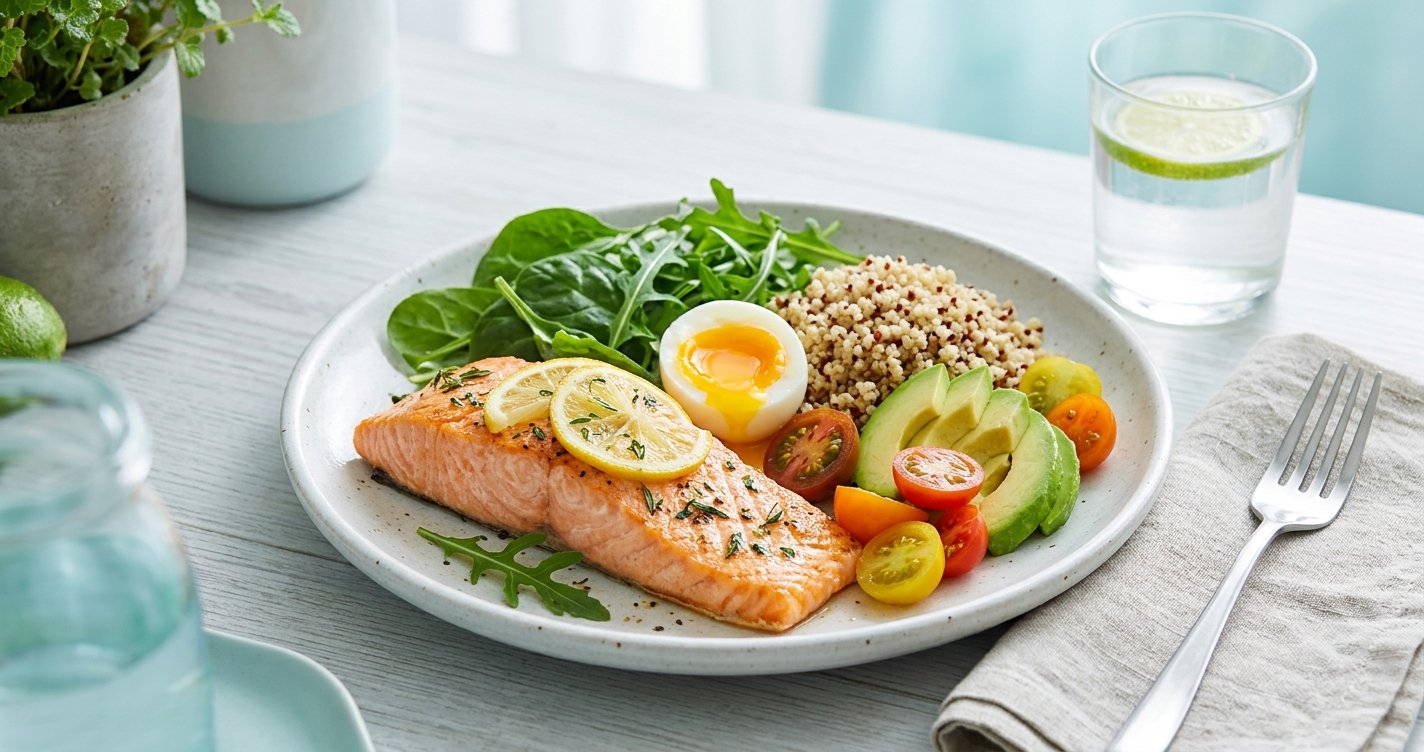
Are you tired of the endless cycle of restrictive diets, quick fixes, and the dreaded ‘yo-yo’ effect? You’re not alone. Many people seeking fat loss often overlook one of the most powerful, evidence-backed tools in their arsenal: protein. It's not just for bodybuilders; it's a game-changer for anyone looking to shed unwanted fat, maintain muscle, and feel great in the long run. Forget starvation and deprivation – it’s time to discover how a high-protein approach can be your secret weapon for sustainable, healthy fat loss.
In this friendly, evidence-based guide, we’ll explore why protein is so crucial for your fat loss journey, how much you really need, and practical ways to effortlessly incorporate more of it into your daily life. Get ready to transform your understanding of nutrition and embark on a path to lasting results! this excellent wellness product
Why Protein is Your Best Friend for Fat Loss
Protein isn't just a macronutrient; it's a strategic ally in your quest for a leaner, healthier body. Its unique properties make it indispensable for effective and sustainable fat loss.
The Satiety Superstar: Feeling Fuller, Longer
One of protein's most celebrated benefits is its incredible ability to promote satiety. When you eat protein, it sends powerful signals to your brain that you're full and satisfied. This means fewer cravings, less mindless snacking, and ultimately, a reduced overall calorie intake without feeling deprived. Imagine going about your day feeling energized and content, rather than constantly battling hunger pangs – that’s the protein advantage!
Muscle Protection: Preserve Your Metabolism
When you lose weight, you want to shed fat, not precious muscle. Unfortunately, many traditional diets can lead to muscle loss alongside fat loss. This is problematic because muscle tissue is metabolically active, meaning it burns more calories at rest than fat tissue. A higher protein intake helps to preserve your lean muscle mass, especially when you're in a calorie deficit and incorporating strength training. By protecting your muscle, you safeguard your metabolism, making it easier to maintain your fat loss long-term.
The Thermic Effect: Burning Calories Just By Eating
Did you know that your body expends energy just to digest and process the food you eat? This is known as the Thermic Effect of Food (TEF). Protein has a significantly higher TEF compared to carbohydrates and fats. Roughly 20-30% of protein calories are burned off during digestion, compared to 5-10% for carbs and 0-3% for fats. This means that by simply choosing protein-rich foods, you're essentially getting a small metabolic boost, helping you burn more calories without extra effort.
How Much Protein Do You Actually Need?
While the general recommended daily allowance (RDA) for protein is 0.8 grams per kilogram of body weight, this is merely a baseline to prevent deficiency. For optimal fat loss, muscle preservation, and satiety, research suggests a higher intake.
General Guidelines vs. Individual Needs
For individuals actively pursuing fat loss and engaging in regular exercise, a good starting point is typically 1.6 to 2.2 grams of protein per kilogram of body weight (or 0.7 to 1.0 grams per pound of body weight). This range helps maximize the benefits of satiety, muscle preservation, and the thermic effect.
For example, if you weigh 70 kg (about 154 lbs), aiming for 112-154 grams of protein per day would be beneficial. If you’re very active or have a higher body weight, you might even lean towards the upper end of this spectrum.
The "Sweet Spot" for Fat Loss
Don't get too caught up in precise calculations. The goal isn't perfection, but consistency. Focus on making most of your meals protein-centric, and you'll likely hit a beneficial range. Listen to your body – if you're feeling constantly hungry, try adding a bit more protein to your next meal.
Smart Strategies to Boost Your Protein Intake
Increasing your protein doesn't have to be complicated or boring. Here are some practical, delicious ways to make it a seamless part of your daily routine:
Prioritize Protein at Every Meal
Make protein the star of your plate. Instead of a bowl of cereal for breakfast, opt for Greek yogurt with berries, scrambled eggs, or a protein smoothie. For lunch and dinner, ensure a generous serving of lean protein accompanies your vegetables and healthy carbs. Thinking protein-first helps structure your meals for success.
Smart Snacking Choices
Swap out sugary snacks and refined carbs for protein-rich alternatives. Hard-boiled eggs, a handful of almonds, cottage cheese, a small serving of jerky, or a protein bar can keep hunger at bay and provide sustained energy between meals. These choices prevent energy crashes and subsequent cravings.
Protein Supplements: When and How?
While whole foods should always be your primary source, protein supplements like whey, casein, or plant-based protein powders can be incredibly convenient. They're excellent for post-workout recovery, a quick breakfast, or when you're struggling to meet your protein goals through food alone. Just remember, they are 'supplements' – designed to complement your diet, not replace real meals.
Delicious & Diverse Protein Sources
Variety is the spice of life, and it’s also key to a sustainable high-protein diet. There are countless delicious options to keep your meals exciting and nutritious.
Animal-Based Proteins: Lean Meats, Dairy, Eggs
- Chicken & Turkey Breast: Versatile, lean, and packed with protein.
- Lean Beef & Pork: Choose leaner cuts like sirloin, tenderloin, or extra-lean ground options.
- Fish & Seafood: Salmon, tuna, cod, shrimp – excellent sources of protein and often healthy fats.
- Eggs: The incredible edible egg! A complete protein powerhouse, perfect for any meal.
- Dairy: Greek yogurt, cottage cheese, milk, and certain cheeses are fantastic protein sources, often with added calcium.
Plant-Based Powerhouses: Legumes, Tofu, Grains
- Legumes: Lentils, chickpeas, black beans, kidney beans – fiber-rich and great in salads, soups, or curries.
- Tofu & Tempeh: Soy-based options that are incredibly versatile and absorb flavors beautifully.
- Edamame: Perfect for snacking or adding to stir-fries.
- Quinoa: A complete protein grain that makes a fantastic base for meals.
- Nuts & Seeds: Almonds, peanuts, chia seeds, flax seeds – also provide healthy fats and fiber.
- Seitan: A wheat-based protein with a hearty texture.
Common Misconceptions and Addressing Concerns
It's natural to have questions, especially with so much conflicting information out there. Let's clear up a couple of common concerns about high-protein diets.
"Too Much Protein is Bad for Your Kidneys?"
This is a persistent myth! For healthy individuals with normal kidney function, there is no scientific evidence to suggest that a high-protein diet causes kidney damage. Studies show that the kidneys are perfectly capable of handling increased protein intake. However, if you have pre-existing kidney disease, it's always essential to consult with your doctor or a registered dietitian before making significant dietary changes.
"Will I Get Bulky?"
Another common concern, especially for women. Eating more protein alone will not automatically make you bulky. Building significant muscle mass requires a specific training regimen, often a caloric surplus, and hormonal profiles that differ greatly from the average person. Protein supports muscle repair and growth, which is fantastic for a lean, toned physique, but it won't magically turn you into a bodybuilder overnight.
Putting It All Together: A Sustainable Approach
The beauty of a high-protein approach is its sustainability. It’s not about restriction; it’s about smart choices that leave you feeling satisfied and energized.
Meal Planning Tips
A little planning goes a long way. Dedicate some time each week to plan your meals and snacks. Cook in batches – grill extra chicken breasts, hard-boil a dozen eggs, or prepare a big batch of lentil soup. Having protein-rich options readily available makes healthy eating convenient and reduces the temptation for less optimal choices when hunger strikes.
Listen to Your Body
While guidelines are helpful, your body is your best guide. Pay attention to how different foods make you feel. Are you satisfied after your meal? Do you have sustained energy? Adjust your protein intake based on your hunger levels, energy, and how you feel overall. This personalized approach is key to long-term success.
Start Your High-Protein Fat Loss Journey Today!
Embracing a high-protein diet is one of the most effective and sustainable strategies for fat loss, muscle preservation, and overall well-being. By focusing on this powerful macronutrient, you can finally break free from the cycle of restrictive dieting and discover a way of eating that feels good, fuels your body, and delivers lasting results. Remember, this isn’t about perfection; it’s about progress. Start making small, consistent changes today, and watch as the power of protein transforms your fat loss journey!