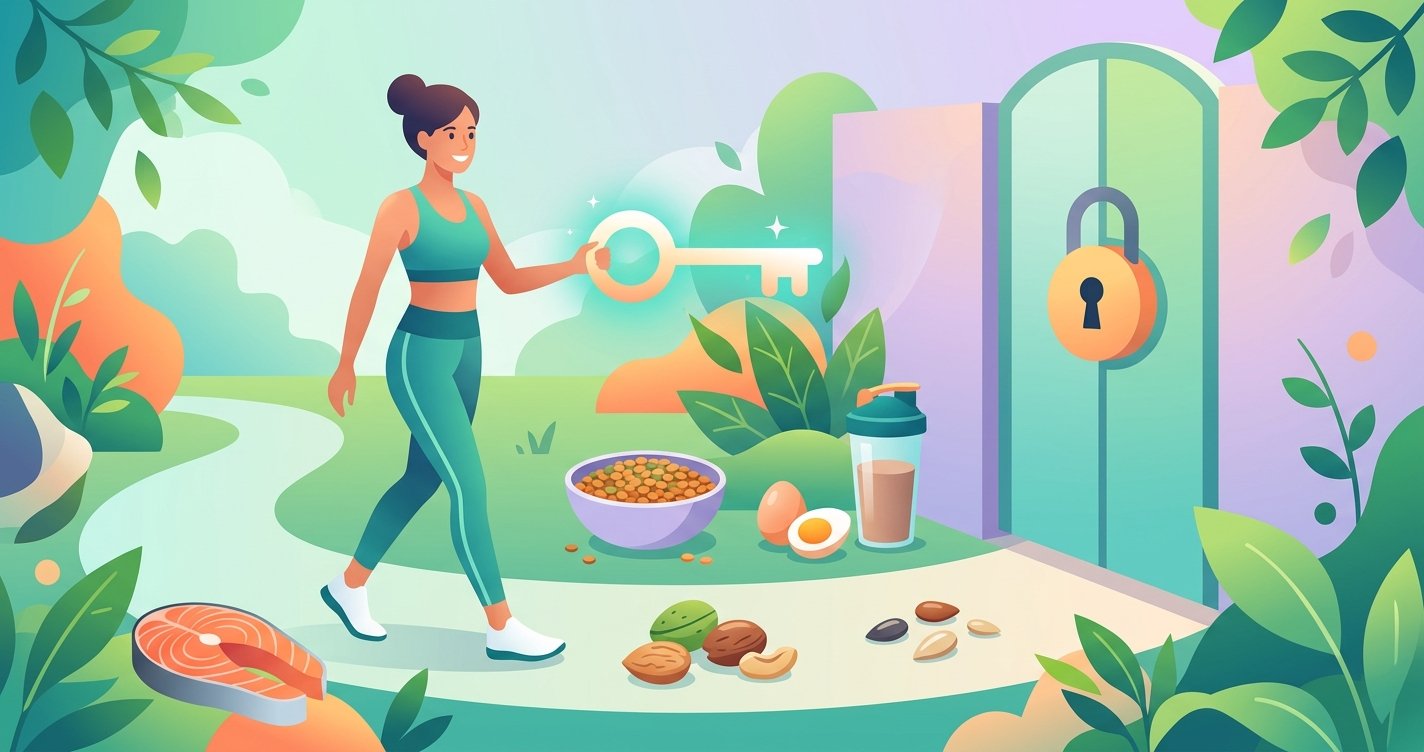
Introduction: Your Secret Weapon for Sustainable Fat Loss
Embarking on a fat loss journey can often feel like navigating a complex maze, filled with conflicting advice and temporary fixes. But what if there was one key nutritional component that consistently proves itself as a powerful ally, making your efforts more effective, satisfying, and sustainable? Enter protein – not just for bodybuilders, but for anyone serious about shedding fat and keeping it off. This isn't about bland diets or extreme deprivation; it's about smart, evidence-based choices that empower your body to burn fat more efficiently, feel fuller for longer, and protect your precious muscle mass.
In this comprehensive guide, we'll dive deep into the science-backed reasons why protein is your ultimate partner in sustainable fat loss. We'll explore how it impacts your hunger, metabolism, and body composition, and arm you with practical strategies to effortlessly incorporate more of this vital macronutrient into your daily life. Get ready to transform your approach to fat loss, one delicious, protein-packed meal at a time! this excellent wellness product
The Protein Advantage: Why It's Your Fat Loss Ally
When it comes to losing fat, many people immediately think of cutting calories. While a calorie deficit is essential, how you achieve that deficit and what you eat makes a world of difference. Protein stands out because it tackles fat loss from multiple angles, offering benefits that other macronutrients (carbohydrates and fats) simply can't match.
- Enhanced Satiety: Protein keeps you feeling full and satisfied, reducing cravings and overall calorie intake.
- Higher Thermic Effect: Your body burns more calories digesting protein compared to carbs or fats.
- Muscle Preservation: Crucial for maintaining your metabolic rate and body composition, especially during weight loss.
Let's unpack each of these powerful advantages.
Satiety Superpower: Feeling Full, Longer
One of the biggest hurdles in any fat loss journey is hunger. Constant cravings and the feeling of deprivation can quickly derail even the most determined efforts. This is where protein shines. Protein has a remarkable ability to increase satiety – the feeling of fullness and satisfaction after a meal – far more effectively than carbohydrates or fats.
How does it work? Protein influences several hormones that regulate appetite. It boosts levels of hormones like PYY and GLP-1, which signal fullness to your brain, while simultaneously reducing levels of ghrelin, the 'hunger hormone.' This hormonal interplay means a high-protein meal can significantly reduce your desire to eat again soon, leading to fewer snacks and a naturally lower calorie intake throughout the day.
Practical Tips for Protein-Powered Fullness:
- Start Your Day Right: Make breakfast a protein powerhouse (eggs, Greek yogurt, protein smoothie).
- Include Protein in Every Meal: Aim for a significant protein source in breakfast, lunch, and dinner.
- Protein-Rich Snacks: Opt for protein over sugary or fatty snacks when hunger strikes (e.g., cottage cheese, nuts, hard-boiled eggs).
Fueling Your Metabolism: The Thermic Effect of Food
Did you know that your body actually burns calories just to digest, absorb, and metabolize the food you eat? This phenomenon is known as the Thermic Effect of Food (TEF), or dietary-induced thermogenesis. And guess what? Protein has the highest TEF of all the macronutrients.
While fats have a TEF of 0-3% of their caloric content, and carbohydrates have a TEF of 5-10%, protein boasts a TEF of 20-30%. This means that for every 100 calories of protein you consume, your body expends 20-30 calories just to process it. In simple terms, eating protein gives your metabolism a mini-boost, contributing to a slightly higher daily calorie burn without you having to lift a finger (or a dumbbell!). Over time, this 'metabolic advantage' can add up, making your fat loss efforts more efficient.
Muscle Matters: Preserving Lean Mass During Fat Loss
When you're trying to lose weight, your goal is to shed fat, not muscle. Unfortunately, during a calorie deficit, your body can sometimes break down muscle tissue for energy, especially if protein intake is insufficient. This is a problem because muscle is metabolically active – it burns more calories at rest than fat tissue does.
Maintaining or even building muscle mass is critical for a healthy metabolism and a more toned physique. Adequate protein intake provides the necessary amino acids to repair and build muscle, signaling to your body to preserve this valuable tissue while you're in a calorie deficit. Combined with regular strength training, a high-protein diet creates the ideal environment for targeted fat loss, helping you achieve a leaner, stronger body.
How Much Protein Do You Really Need?
While everyone's needs are slightly different based on activity level, age, and specific goals, there are general guidelines to ensure you're getting enough protein for effective fat loss.
- General Guideline: For fat loss, a common recommendation is to consume between 1.6 to 2.2 grams of protein per kilogram of body weight (or 0.73 to 1 gram per pound of body weight) per day.
- Active Individuals: If you're highly active or engaging in regular strength training, you might benefit from the higher end of this range (e.g., 2.0-2.2g/kg).
- Evenly Distributed: Aim to spread your protein intake throughout the day, rather than consuming it all in one meal. This helps optimize muscle protein synthesis and satiety.
For example, a person weighing 70kg (approx. 154 lbs) aiming for 1.8g/kg would target around 126 grams of protein per day.
Smart Protein Choices: Beyond Chicken Breast
Variety is the spice of life, and it's also key to a sustainable, enjoyable diet. While lean meats like chicken breast are excellent protein sources, there's a whole world of delicious options to explore.
Animal-Based Protein Sources:
- Lean Meats: Chicken, turkey, lean beef, pork loin.
- Fish & Seafood: Salmon, tuna, cod, shrimp (rich in omega-3s too!).
- Eggs: A complete protein, versatile and affordable.
- Dairy: Greek yogurt, cottage cheese, milk, whey protein (excellent for snacks and post-workout).
Plant-Based Protein Sources:
- Legumes: Lentils, chickpeas, black beans, kidney beans.
- Tofu & Tempeh: Versatile soy products that absorb flavors well.
- Edamame: Great as a snack or in stir-fries.
- Quinoa: A complete protein grain.
- Nuts & Seeds: Almonds, peanuts, chia seeds, flax seeds (also provide healthy fats).
- Plant-Based Protein Powders: Pea, rice, hemp protein can supplement your intake.
Don't be afraid to mix and match! A diverse intake ensures you get a broad spectrum of amino acids and other essential nutrients.
Practical Strategies to Boost Your Protein Intake
Integrating more protein into your diet doesn't have to be complicated or expensive. Here are some simple, actionable strategies:
- Prioritize Protein at Breakfast: Swap sugary cereals for eggs, Greek yogurt with berries, or a protein smoothie. This sets you up for sustained energy and reduces mid-morning cravings.
- Make Protein Your Plate's Centerpiece: When planning meals, think about your protein source first. Build the rest of your meal (veggies, healthy carbs) around it.
- Smart Snacking: Keep protein-rich snacks handy. Think hard-boiled eggs, a handful of almonds, cottage cheese, or a protein bar.
- Add Protein to Existing Meals: Sprinkle seeds on salads, add lentils to soups, stir in some shredded chicken to your pasta sauce, or mix protein powder into oatmeal.
- Utilize Protein Powders: They're a convenient way to boost your intake, especially post-workout or when you're short on time. Mix into smoothies, water, or milk.
- Plan Ahead: Meal prepping a few protein sources (e.g., grilled chicken, boiled eggs) for the week can save time and ensure you always have a healthy option available.
Conclusion: Embrace Protein, Embrace Sustainable Fat Loss
Protein is far more than just a muscle-building nutrient; it's a cornerstone of effective, sustainable fat loss. By harnessing its power to enhance satiety, boost your metabolism, and preserve muscle mass, you can transform your body composition, feel more energized, and make your fat loss journey genuinely enjoyable and lasting. Remember, this isn't about perfection, but consistent, smart choices.
Start by making small, manageable changes to increase your protein intake today. Experiment with new recipes, find your favorite protein sources, and enjoy the incredible benefits as you move closer to your fat loss goals. Your body will thank you, and you'll discover that a truly sustainable, healthy lifestyle is well within your reach!