Unlock Sustainable Fat Loss: The Unbeatable Power of Protein
Are you tired of chasing quick-fix diets that promise the world but deliver only frustration? Do you feel like you're constantly battling hunger, struggling to maintain muscle, and hitting fat loss plateaus? You're not alone. Many people embark on a fat loss journey feeling overwhelmed and under-informed, often overlooking one of the most powerful allies in their corner: protein.
Today, we're going to dive deep into why protein isn't just another macronutrient, but your most valuable player for achieving sustainable, healthy fat loss. Forget the fads; let's talk about the evidence-based strategies that actually work, starting with harnessing the incredible power of protein. Get ready to understand the 'why' and the 'how' so you can transform your body and your relationship with food, for good! this excellent wellness product
Why Protein Is Your Fat Loss MVP (Most Valuable Player)
When it comes to shedding unwanted body fat and keeping it off, protein stands head and shoulders above carbohydrates and fats in several key areas. It's not just about building muscle; protein plays a multifaceted role in making your fat loss journey smoother, more effective, and crucially, more sustainable.
1. Satiety & Appetite Control: Taming the Hunger Beast
One of the biggest hurdles in any fat loss plan is managing hunger. Cravings and a constant feeling of emptiness can derail even the most determined efforts. This is where protein shines. Protein is renowned for its ability to increase satiety – the feeling of fullness and satisfaction after eating – far more effectively than carbohydrates or fats.
- Hormonal Impact: Eating protein signals the release of satiety hormones like PYY and GLP-1, while simultaneously reducing levels of ghrelin, the 'hunger hormone.' This powerful hormonal interplay helps you feel fuller for longer, naturally reducing your overall calorie intake without feeling deprived.
- Slower Digestion: Protein takes longer to digest and absorb compared to carbs, meaning it stays in your stomach for a longer period, contributing to sustained feelings of fullness.
By simply prioritizing protein in your meals, you can experience a significant reduction in cravings and a better handle on your appetite, making it easier to stick to a calorie deficit.
2. Thermic Effect of Food (TEF): Burning More Calories Just by Eating
Did you know that your body actually burns calories just to digest, absorb, and metabolize the food you eat? This is known as the Thermic Effect of Food (TEF), and it varies significantly between macronutrients. Protein has the highest TEF of all!
- Protein's High TEF: Approximately 20-30% of the calories from protein are burned off during digestion. This means if you eat 100 calories of protein, your body uses 20-30 of those calories just to process it.
- Carbohydrates & Fats: In contrast, carbohydrates have a TEF of 5-10%, and fats have an even lower TEF of 0-3%.
This higher TEF for protein translates into a small but significant metabolic advantage throughout your day. By simply choosing protein-rich foods, you're giving your metabolism a continuous, subtle boost, contributing to a greater overall calorie expenditure.
3. Muscle Preservation: Protecting Your Metabolic Engine
When you're in a calorie deficit (eating fewer calories than your body burns), your body naturally looks for energy sources. While the goal is to burn fat, there's always a risk of losing valuable muscle mass alongside fat, especially if your protein intake is insufficient.
- Muscle Matters: Muscle tissue is metabolically active, meaning it burns more calories at rest than fat tissue. Preserving muscle mass during fat loss is crucial for maintaining a healthy metabolism and preventing the dreaded 'skinny fat' look.
- Building Blocks: Protein provides the amino acids, the essential building blocks your body needs to repair and build muscle tissue. A higher protein intake signals to your body that it needs to hold onto its muscle, even when calories are restricted.
By ensuring adequate protein, you help your body prioritize fat loss while preserving your hard-earned muscle, leading to a more favorable body composition and a more efficient metabolism in the long run.
How Much Protein Do You Actually Need for Fat Loss?
While the general dietary guidelines often suggest a modest protein intake, the recommendations for active individuals or those specifically aiming for fat loss are considerably higher. The exact amount can vary based on factors like your body weight, activity level, age, and current body composition goals.
- General Recommendation for Fat Loss: A good starting point for most individuals aiming for fat loss is typically 1.6 to 2.2 grams of protein per kilogram of body weight (or 0.7 to 1.0 grams per pound of body weight).
- Consider Lean Body Mass: If you carry a significant amount of body fat, it can sometimes be more practical to base your protein intake on your lean body mass (total body weight minus fat mass) to avoid excessively high numbers.
- Activity Level: The more active you are, especially if you engage in strength training, the higher your protein needs will be to support muscle repair and growth.
- Age: As we age, our bodies become less efficient at utilizing protein, a phenomenon known as anabolic resistance. Older adults may benefit from slightly higher protein intakes to preserve muscle mass.
For example, a person weighing 70 kg (about 154 lbs) aiming for fat loss might target 112-154 grams of protein per day. Spread this intake across 3-5 meals and snacks for optimal absorption and satiety.
Putting Protein Into Practice: Delicious & Doable Strategies
Knowing why protein is important is only half the battle; the other half is integrating it effectively into your daily life. Here are some practical, friendly tips to boost your protein intake without feeling overwhelmed:
1. Prioritize Protein at Every Meal
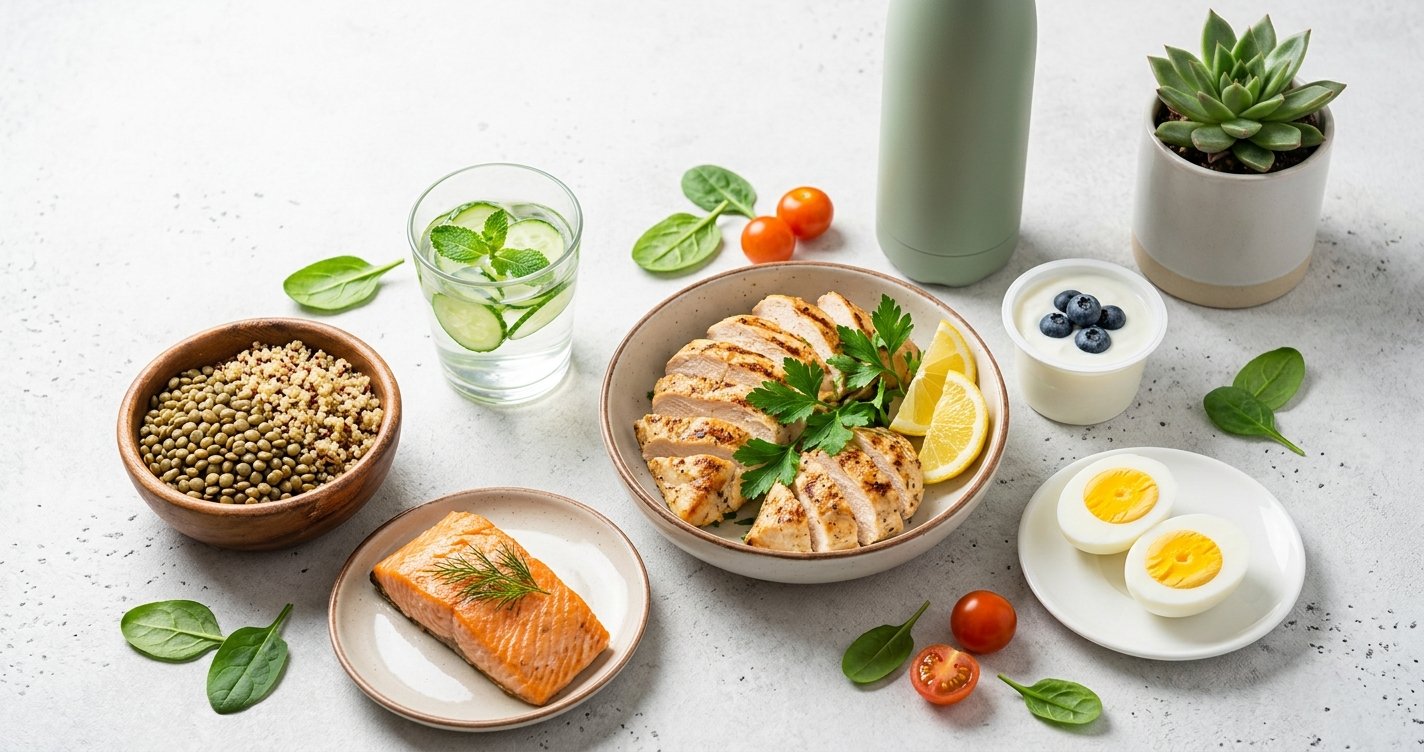
- Breakfast Boost: Start your day strong. Instead of sugary cereals or toast, opt for Greek yogurt with berries, scrambled eggs with veggies, cottage cheese, or a protein smoothie.
- Lunch & Dinner Foundation: Build your meals around a lean protein source like chicken breast, fish, lean beef, tofu, lentils, or beans. Fill half your plate with vegetables, then add a moderate portion of healthy carbs.
2. Smart Snacking
- Protein-Rich Snacks: Ditch the chips and cookies. Keep convenient protein snacks on hand like hard-boiled eggs, a handful of almonds, string cheese, a protein bar (check sugar content!), or a small serving of cottage cheese.
3. Get Creative with Plant-Based Protein
- Legumes & Grains: Incorporate more lentils, chickpeas, black beans, edamame, and quinoa into your diet. They're excellent sources of both protein and fiber.
- Tofu & Tempeh: These versatile soy products can be marinated and cooked in countless ways, making them fantastic meat alternatives.
4. Consider Protein Supplements (When Appropriate)
- Whey, Casein, or Plant-Based Powders: Protein powders can be a convenient way to meet your daily protein goals, especially after workouts or when you're short on time. They're not magic, but a helpful tool.
- When to Use: Think of them as a supplement to a whole-food diet, not a replacement. Use them to make smoothies, mix into oatmeal, or simply with water.
Beyond Protein: A Holistic Approach to Sustainable Fat Loss
While protein is a superstar, it's part of a larger team. For truly sustainable fat loss, remember to consider these other crucial elements:
- Strength Training: Building and maintaining muscle is paramount for a healthy metabolism. Aim for 2-4 strength training sessions per week.
- Hydration: Drink plenty of water throughout the day. Sometimes, thirst can be mistaken for hunger.
- Sleep Quality: Poor sleep can disrupt hormones that regulate appetite (ghrelin and leptin), making fat loss harder. Aim for 7-9 hours of quality sleep.
- Stress Management: Chronic stress elevates cortisol, which can promote fat storage, especially around the midsection. Find healthy ways to manage stress.
- Whole Foods: Focus on a diet rich in whole, unprocessed foods. These provide essential nutrients, fiber, and promote overall health.
- Mindful Eating: Pay attention to your body's hunger and fullness cues. Eat slowly, savor your food, and avoid distractions.
Common Protein Myths Debunked
It's natural to have questions, and misinformation can often cloud our understanding. Let's clear up a couple of common protein myths:
Myth: "Too much protein is bad for your kidneys."
Fact: For healthy individuals with normal kidney function, there is extensive research showing that high protein intakes (even above the recommended fat loss range) do not cause kidney damage. If you have pre-existing kidney disease, then medical supervision for protein intake is necessary, but for the general healthy population, this concern is largely unfounded.
Myth: "Protein will make me bulky."
Fact: This is a common concern, especially among women. Building significant muscle mass is a very challenging process that requires specific training, a caloric surplus, and often, genetic predispositions. Simply increasing your protein intake for fat loss will not automatically make you "bulky." Instead, it will help you achieve a leaner, more toned physique as you shed fat and preserve muscle.
Your Journey to Sustainable Fat Loss Starts Now!
Embarking on a fat loss journey can feel daunting, but by focusing on smart, evidence-based strategies, you can achieve lasting results without constant struggle. Prioritizing protein is one of the most effective and sustainable changes you can make. It empowers you to control hunger, boost your metabolism, and protect your precious muscle mass, setting you up for success.
Remember, it's not about perfection; it's about consistency and making informed choices. Start by making small, actionable changes today. Add an extra protein source to one meal, try a protein-rich snack, or swap out a low-protein breakfast for a higher-protein option. Every small step adds up to significant progress.
You have the power to transform your body and your health. Embrace the power of protein, combine it with smart training and lifestyle choices, and watch as you unlock a healthier, leaner, and more vibrant you. You've got this!