Are you tired of the endless cycle of restrictive diets, quick fixes, and the frustration of fat loss that just doesn't stick? You're not alone. Many people struggle to find a sustainable path to shedding unwanted fat and keeping it off. While countless strategies promise rapid results, one nutritional powerhouse consistently stands out for its effectiveness, scientific backing, and ability to make your fat loss journey feel less like a battle and more like a well-supported transformation: protein.
Forget the myth that protein is just for bodybuilders. For anyone aiming for sustainable fat loss, protein is your unsung hero, a crucial ally that can revolutionize how your body looks, feels, and performs. In this friendly, evidence-based guide, we'll dive deep into why prioritizing protein isn't just a good idea, but a game-changer for achieving your fat loss goals without feeling constantly hungry or deprived. this excellent wellness product
Why Protein is Your Best Friend in the Fat Loss Journey
Let's unpack the incredible benefits that make protein indispensable for anyone serious about effective and sustainable fat loss:
1. The Satiety Superstar: Feeling Fuller, Longer
One of the biggest challenges in a calorie deficit is managing hunger. This is where protein shines brightest! Research consistently shows that protein is the most satiating macronutrient. A high-protein meal keeps you feeling fuller for longer compared to meals with similar calories but lower protein content. This means fewer cravings, less snacking between meals, and ultimately, an easier time adhering to your calorie goals without feeling like you're constantly fighting your stomach.
2. The Metabolic Booster: The Thermic Effect of Food (TEF)
Did you know your body burns calories just to digest and process the food you eat? This is called the Thermic Effect of Food (TEF), and protein has the highest TEF of all macronutrients. Approximately 20-30% of the calories you consume from protein are used up in its digestion and absorption, compared to 5-10% for carbohydrates and 0-3% for fats. This means that by simply eating more protein, you're giving your metabolism a small but significant boost throughout the day!
3. Muscle Defender: Preserving Lean Mass
When you're in a calorie deficit to lose fat, your body can sometimes break down muscle tissue for energy, especially if your protein intake is too low. This is a problem because muscle is metabolically active, meaning it burns more calories at rest than fat does. A higher muscle mass translates to a higher resting metabolism. Prioritizing protein helps preserve your precious muscle mass during fat loss, ensuring that the weight you lose is primarily fat, not muscle. This is key for maintaining a healthy metabolism and achieving a lean, toned physique.
How Much Protein Do You Really Need for Fat Loss?
This is a common question, and the answer isn't a one-size-fits-all, but there's a strong consensus based on scientific evidence. For optimal fat loss and muscle preservation, most research suggests a protein intake ranging from 1.6 to 2.2 grams of protein per kilogram of body weight (or roughly 0.7 to 1 gram per pound of body weight) per day.
- Example: If you weigh 70 kg (about 154 lbs), aiming for 112-154 grams of protein per day would be a great target.
Don't be intimidated by these numbers! For many, this might be higher than their current intake, but it's entirely achievable with smart food choices. And no, for healthy individuals, a higher protein intake within these ranges is not detrimental to kidney health, despite old myths. Always consult with a healthcare professional if you have pre-existing kidney conditions.
Smart Strategies to Boost Your Protein Intake
Now that you know why protein is so important, let's talk about how to integrate more of it into your daily diet easily and deliciously:
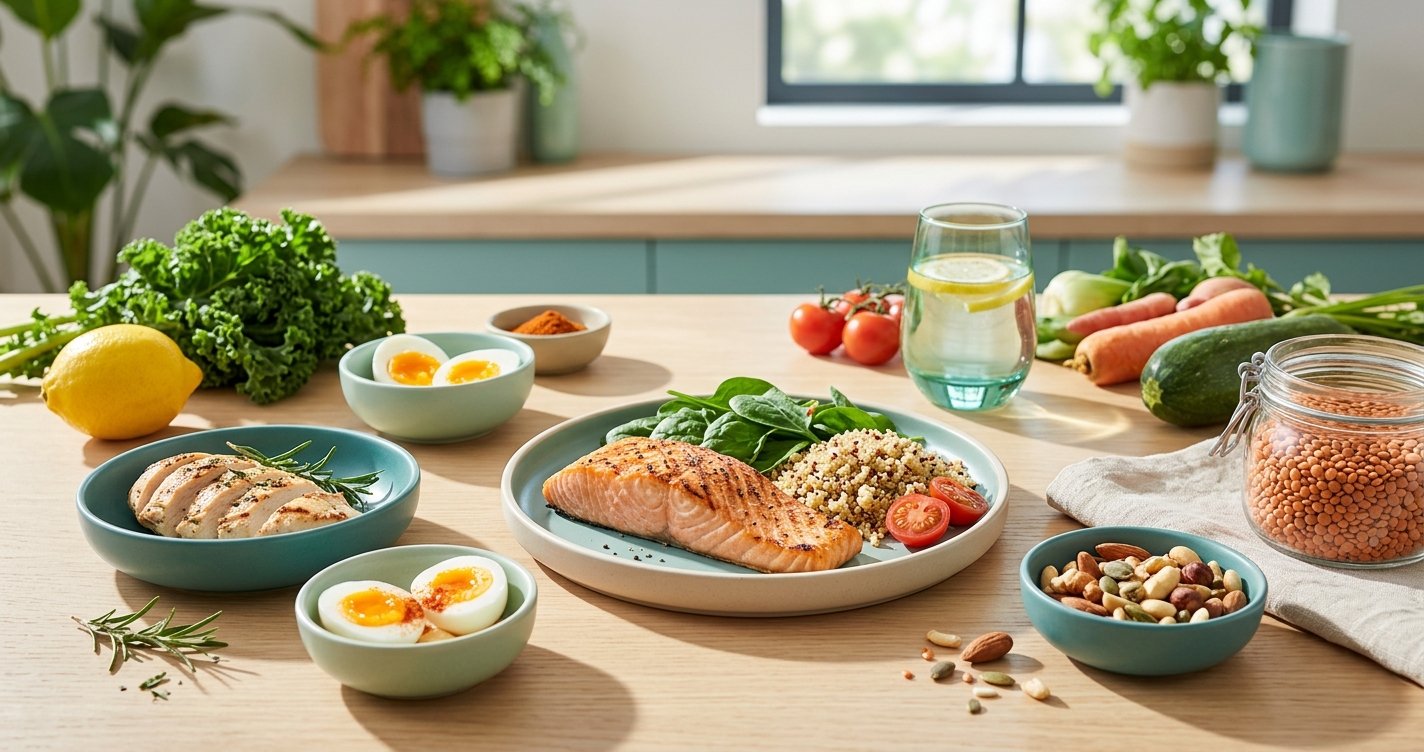
- Prioritize Protein at Every Meal: Aim for a substantial source of protein (20-40 grams) in each of your main meals. Think eggs for breakfast, chicken breast or fish for lunch, and lean beef or lentils for dinner.
- Smart Snacking: Ditch the sugary snacks and opt for protein-rich alternatives. Greek yogurt, cottage cheese, a handful of almonds, hard-boiled eggs, or a small protein shake can keep hunger at bay and contribute to your daily total.
- Lean Meat, Poultry & Fish: Chicken breast, turkey, lean beef, salmon, tuna, cod, and shrimp are excellent choices.
- Dairy Delights: Greek yogurt, cottage cheese, milk, and certain cheeses are packed with protein. Look for lower-fat versions if managing calories.
- Plant-Based Powerhouses: Lentils, beans, chickpeas, tofu, tempeh, edamame, quinoa, and seitan are fantastic options for vegetarians and vegans.
- Protein Powder as a Tool: While whole foods should always be your primary source, protein powders (whey, casein, soy, pea, rice) can be a convenient and effective way to hit your daily targets, especially after workouts or as part of a quick meal or snack.
- Don't Forget Breakfast: Start your day strong with protein! Scrambled eggs, a protein smoothie, or Greek yogurt with berries can set you up for better satiety throughout the morning.
Beyond the Scale: The Wider Benefits of a High-Protein Diet
While fat loss is often the primary goal, a protein-rich diet offers a cascade of other health and wellness benefits that contribute to your overall well-being:
- Improved Body Composition: Even if the scale doesn't move dramatically, you'll likely notice changes in your body shape – less fat, more lean muscle – leading to a more toned and athletic appearance.
- Enhanced Recovery: Protein is essential for repairing and rebuilding muscle tissue, making it crucial for recovery after workouts and reducing muscle soreness.
- Stronger Bones: Adequate protein intake is linked to better bone density and reduced risk of osteoporosis.
- Better Immune Function: Antibodies, which are vital for a strong immune system, are made from protein.
- Stable Energy Levels: Protein helps stabilize blood sugar, preventing the energy crashes often associated with high-carb, low-protein meals.
Common Protein Pitfalls to Avoid
Even with the best intentions, it's easy to fall into common traps. Here’s what to watch out for:
- Ignoring Calorie Deficit: While protein helps immensely, you still need to be in a calorie deficit to lose fat. Protein makes it easier, but it’s not a magic bullet that overrides total energy intake.
- Over-reliance on Processed Protein Bars/Shakes: Many protein bars are essentially candy bars with added protein. Prioritize whole, minimally processed foods, and use supplements judiciously.
- Lack of Variety: Eating the same protein sources daily can lead to nutrient deficiencies and palate fatigue. Mix it up with different meats, fish, dairy, and plant-based options.
- Not Spreading Protein Throughout the Day: Your body can only utilize so much protein at once. Spreading your intake across 3-5 meals and snacks is generally more effective for muscle protein synthesis and satiety than eating one huge protein meal.
Embrace Protein for a Healthier, Leaner You!
The journey to sustainable fat loss doesn't have to be a constant struggle. By consciously increasing your protein intake, you're not just counting macros; you're equipping your body with a powerful tool that enhances satiety, boosts metabolism, protects muscle, and supports overall health. It's an evidence-based strategy that offers tangible results and makes the process of achieving your goals feel more manageable and enjoyable.
Start today by making small, consistent changes. Add an extra serving of lean protein to your lunch, swap out a sugary snack for Greek yogurt, or ensure your dinner plate is anchored by a solid protein source. Your body will thank you, and you'll be well on your way to unlocking a leaner, stronger, and more vibrant you, sustainably.