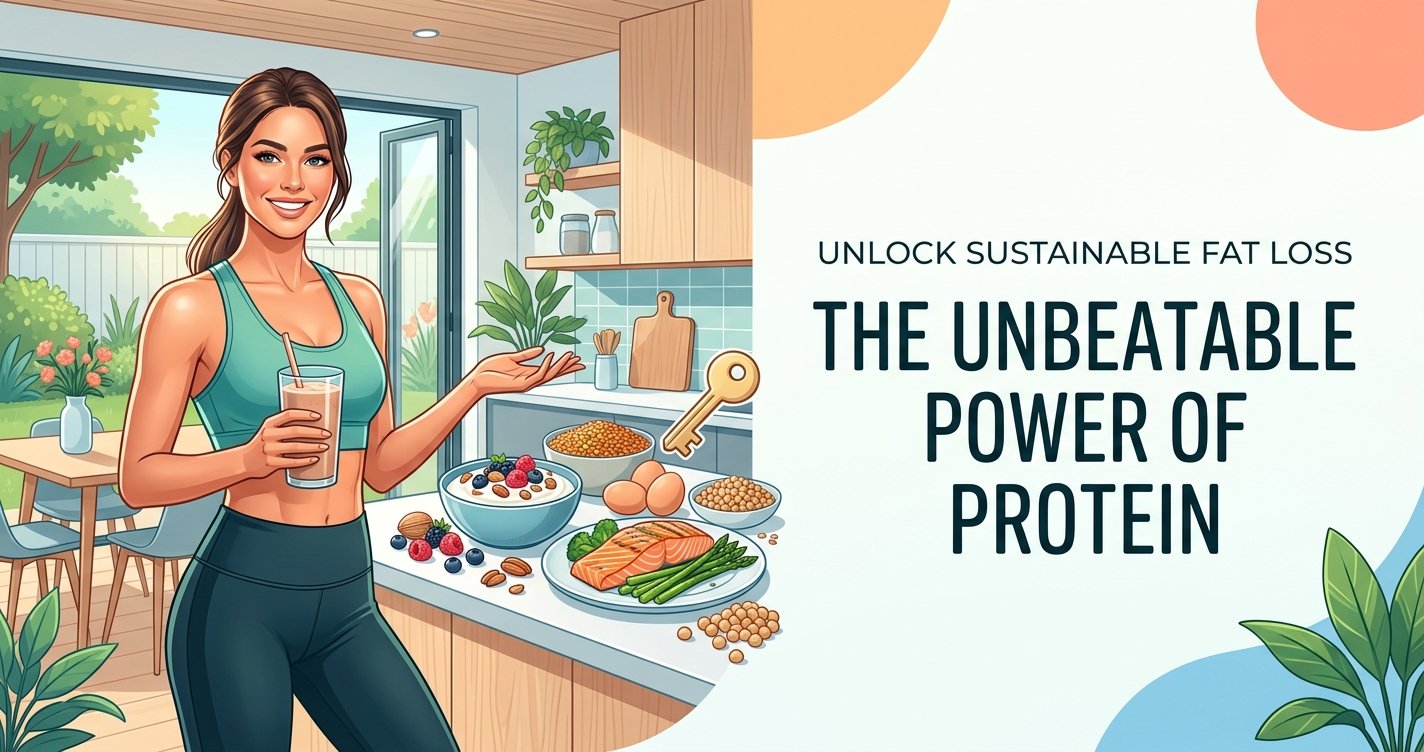
Introduction: Your Secret Weapon for Sustainable Fat Loss
Embarking on a fat loss journey can often feel like navigating a complex maze. With so much conflicting information out there, it’s easy to get lost in the latest diet fads or feel overwhelmed by restrictive eating plans. But what if there was one key nutritional player that could significantly simplify your path, make you feel fuller, boost your metabolism, and help you preserve precious muscle? Enter protein – your ultimate ally in achieving sustainable fat loss.
Forget starvation diets and endless cardio. This isn't about deprivation; it's about smart nutrition. In this evidence-based guide, we'll dive deep into why protein isn't just a gym-goer's staple but a crucial component for anyone looking to shed unwanted fat healthily and keep it off. We’ll explore the science, debunk myths, and provide practical, friendly advice to help you harness the incredible power of protein to transform your body and your relationship with food. this excellent wellness product
Why Protein is Your Fat Loss MVP (Most Valuable Player)
Protein isn't just another macronutrient; it's a metabolic marvel. Its unique properties make it exceptionally effective for fat loss, working on multiple fronts to help you reach your goals without feeling constantly hungry or drained. Let's break down the science-backed reasons why protein deserves a starring role in your diet.
The Satiety Secret: Feeling Full, Naturally
One of the biggest challenges in any fat loss journey is managing hunger and cravings. This is where protein shines brightest. Protein has a remarkable ability to increase satiety – the feeling of fullness and satisfaction – far more effectively than carbohydrates or fats. When you consume protein, it triggers the release of specific hormones (like GLP-1 and CCK) that signal to your brain that you're full, reducing your desire to eat more.
Imagine eating a meal rich in protein; you're likely to feel satisfied for longer, reducing the temptation to snack excessively between meals. This natural suppression of appetite leads to a spontaneous reduction in overall calorie intake, making it easier to maintain the caloric deficit necessary for fat loss without feeling deprived. It’s like having an internal thermostat that helps regulate your hunger, effortlessly guiding you towards healthier eating patterns.
Boosting Your Metabolism: The Thermic Effect of Food (TEF)
Did you know that your body burns calories just to digest, absorb, and metabolize the food you eat? This phenomenon is known as the Thermic Effect of Food (TEF), and protein has the highest TEF among all macronutrients. While carbohydrates have a TEF of 5-10% and fats around 0-3%, protein requires a whopping 20-30% of its caloric value just to be processed by your body.
What does this mean for fat loss? It means that if you eat 100 calories of protein, your body might burn 20-30 of those calories just in the digestive process. This metabolic boost, though seemingly small per meal, adds up significantly over the course of a day and week, contributing to a higher overall calorie expenditure. Essentially, eating more protein turns your body into a more efficient calorie-burning machine, even at rest!
Protecting Your Muscle: Preserve and Build Lean Mass
When you're in a caloric deficit to lose fat, your body can sometimes break down muscle tissue for energy, especially if your protein intake is insufficient. This is detrimental because muscle is metabolically active – it burns more calories at rest than fat tissue. Losing muscle can slow down your metabolism, making future fat loss harder and increasing the likelihood of weight regain.
Adequate protein intake is crucial for preserving lean muscle mass during fat loss. Protein provides the essential amino acids your body needs to repair and build muscle tissue. By prioritizing protein, you send a clear signal to your body to hold onto its muscle, ensuring that the weight you lose is predominantly fat. Combine this with strength training, and you create a powerful synergy that not only preserves muscle but can even help you build more, further enhancing your metabolic rate and sculpting a leaner physique.
How Much Protein Do You Really Need for Fat Loss?
So, you're convinced protein is your fat loss friend – but how much should you be aiming for? While general guidelines often suggest around 0.8 grams of protein per kilogram of body weight for sedentary adults, those actively pursuing fat loss will benefit from a higher intake.
For optimal fat loss and muscle preservation, current evidence-based recommendations suggest aiming for 1.6 to 2.2 grams of protein per kilogram (or 0.7 to 1.0 grams per pound) of your target body weight. For example, if your target weight is 70 kg, you’d aim for approximately 112-154 grams of protein per day. If you're very active or already quite lean, you might even benefit from slightly higher amounts within this range.
Don't get too caught up in perfection initially. Start by aiming for the lower end of this range and gradually increase your intake as you get comfortable. Listen to your body, observe how you feel, and adjust as needed. The key is consistency and finding an amount that feels sustainable for you.
Smart Protein Choices: Fueling Your Body Right
Now that you know how much protein to aim for, let’s talk about where to get it. The good news is, there’s a vast array of delicious and nutritious protein sources available to suit every preference and dietary need.
Animal-Based Protein Powerhouses
- Lean Meats: Chicken breast, turkey, lean cuts of beef (sirloin, round), pork loin are excellent sources of complete protein with minimal fat.
- Fish and Seafood: Salmon, tuna, cod, shrimp, and scallops are not only protein-rich but also provide beneficial omega-3 fatty acids.
- Eggs: The incredible edible egg is a complete protein source, versatile, and affordable. Don't skip the yolk – it's packed with nutrients!
- Dairy Products: Greek yogurt, cottage cheese, milk, and whey protein are fantastic for their high protein content, often coupled with calcium and probiotics.
Plant-Based Protein Perfection
- Legumes: Lentils, chickpeas, black beans, kidney beans are rich in protein and fiber, promoting satiety.
- Tofu and Tempeh: Soy-based products are complete protein sources and incredibly versatile in cooking.
- Seitan: Made from wheat gluten, seitan is a high-protein, low-fat meat alternative with a chewy texture.
- Quinoa: One of the few complete plant proteins, quinoa is also a great source of fiber.
- Nuts and Seeds: Almonds, peanuts, chia seeds, flax seeds, and pumpkin seeds offer protein, healthy fats, and fiber.
The Role of Protein Supplements
While whole foods should always be your primary source of protein, supplements like whey, casein, or plant-based protein powders can be a convenient and effective way to meet your daily targets, especially if you're active or have limited time for meal prep. They are not magic pills but a tool to help you reach your goals. Always choose reputable brands and read ingredient labels carefully.
Making Protein Work for You: Practical Tips & Tricks
Integrating more protein into your diet doesn't have to be complicated. Here are some friendly, actionable tips to make it a seamless part of your daily routine:
- Start Your Day with Protein: Instead of sugary cereals, opt for eggs, Greek yogurt, cottage cheese, or a protein smoothie for breakfast. This sets a satiating tone for the entire day.
- Prioritize Protein at Every Meal: Aim to include a significant protein source in all your main meals. Think chicken with lunch, fish with dinner, or lentils with your salad.
- Smart Snacking: Replace carb-heavy snacks with protein-rich alternatives like a handful of almonds, a hard-boiled egg, a small serving of cottage cheese, or jerky.
- Meal Prep for Success: Cook larger batches of lean protein (chicken breast, ground turkey, lentils) at the beginning of the week to easily add to your meals throughout the busy days.
- Use Protein as a 'Buffer': When eating out or at social gatherings, prioritize protein on your plate first. This helps fill you up and potentially reduces the intake of less nutrient-dense options.
- Hydrate Adequately: While not directly protein-related, drinking enough water is crucial for overall health and can also help with satiety, supporting your protein goals.
Beyond Protein: A Holistic Approach to Sustainable Fat Loss
While protein is a powerful tool, it's important to remember that it's part of a larger, holistic picture for sustainable fat loss. For lasting results, integrate these other crucial elements:
- Caloric Deficit: To lose fat, you must consume fewer calories than you burn. Protein helps achieve this more comfortably, but the deficit itself is non-negotiable.
- Strength Training: Incorporate regular resistance training to build and maintain muscle mass, which further boosts your metabolism.
- Adequate Sleep: Poor sleep can disrupt hunger hormones and increase cravings, making fat loss significantly harder. Aim for 7-9 hours of quality sleep per night.
- Stress Management: Chronic stress can lead to increased cortisol levels, which can promote fat storage, particularly around the midsection. Find healthy ways to manage stress.
- Hydration: Drinking plenty of water supports metabolism, aids digestion, and can help with feelings of fullness.
Your Journey to a Leaner, Stronger You Starts Now!
Embracing the power of protein is a game-changer for anyone serious about sustainable fat loss. It's not about quick fixes or extreme diets; it's about making smart, evidence-based choices that support your body's natural processes. By prioritizing protein, you'll feel fuller, boost your metabolism, protect your hard-earned muscle, and set yourself up for long-term success.
Remember, this is your journey, and every small, consistent step forward counts. Start by making one protein-rich swap today, and build from there. You have the power to transform your body and achieve a healthier, stronger, and more vibrant you. Let protein be your guide, and watch as you unlock a new level of sustainable fat loss and overall well-being. You've got this!