Are you on a fat loss journey that feels like a constant uphill battle? You've tried cutting calories, maybe even experimented with different diets, but the results are slow, frustrating, or just don't stick. What if there was one key nutrient that could make a significant difference, helping you feel fuller, preserve muscle, and even burn more calories without extra effort? Enter protein – your ultimate ally in achieving sustainable fat loss.
Often overshadowed by debates about carbs and fats, protein quietly plays a monumental role in transforming your body composition. It's not just for bodybuilders; it's for anyone serious about shedding fat, maintaining muscle, and building a healthier, stronger you. In this friendly, evidence-based guide, we'll dive deep into why protein is so powerful for fat loss and, more importantly, how you can easily incorporate enough of it into your daily life. this excellent wellness product
Why Protein is Your Secret Weapon for Fat Loss
Let's unpack the science behind why protein isn't just a good idea, but a crucial component for effective and lasting fat loss. It works on multiple fronts, making your journey smoother and more successful.
The Satiety Factor: Feeling Fuller, Longer
One of the biggest challenges in fat loss is managing hunger. When you restrict calories, your body often sends strong signals to eat more, making it hard to stick to your plan. This is where protein shines! Protein is renowned for its ability to increase satiety – that feeling of fullness and satisfaction after a meal. Studies consistently show that high-protein meals lead to reduced hunger and fewer cravings throughout the day compared to meals with less protein.
How does it work? Protein influences several appetite-regulating hormones, such as GLP-1 and PYY, which signal to your brain that you're fed and satisfied. This means less mindless snacking, fewer temptations, and an easier time adhering to a calorie deficit without feeling deprived.
Muscle Protection: Burn Fat, Not Muscle
When you're losing weight, the goal is to shed body fat, not precious muscle mass. Unfortunately, during a calorie deficit, your body can sometimes break down muscle for energy. Losing muscle is counterproductive because muscle tissue is metabolically active – it burns more calories at rest than fat tissue. A higher muscle mass means a higher resting metabolic rate (RMR), which helps you burn more calories even when you're not exercising.
Adequate protein intake is essential for preserving muscle mass during fat loss. It provides the amino acids necessary for muscle protein synthesis, effectively telling your body to hold onto your muscles while it taps into fat stores for energy. Combining a high-protein diet with strength training is a powerful duo for optimizing body composition.
The Thermic Effect: Burning More Calories Just by Eating
Did you know that your body expends energy just to digest, absorb, and metabolize the food you eat? This is called the Thermic Effect of Food (TEF). And guess what? Protein has the highest TEF compared to carbohydrates and fats.
While carbohydrates typically have a TEF of 5-10% and fats around 0-3%, protein boasts a TEF of 20-30%. This means that for every 100 calories of protein you consume, your body uses 20-30 of those calories just to process it. It's like a 'free' calorie burn! While it won't single-handedly melt away pounds, this metabolic advantage contributes to a higher overall daily calorie expenditure, making your fat loss efforts more efficient.
How Much Protein Do You Really Need?
Now that you're convinced of protein's superpowers, the next logical question is: 'How much should I be eating?' The answer isn't one-size-fits-all, but there are evidence-based guidelines for individuals aiming for fat loss and muscle preservation:
- General Recommendation: For active individuals looking to lose fat, a common recommendation is to consume between 1.6 to 2.2 grams of protein per kilogram of body weight per day (or approximately 0.7 to 1 gram per pound of body weight).
- Example: If you weigh 70 kg (about 154 lbs), aiming for 1.6-2.2g/kg would mean consuming roughly 112 to 154 grams of protein per day.
- Higher End for Aggressive Deficits: If you're in a more aggressive calorie deficit or are very active, leaning towards the higher end of this range can be even more beneficial for muscle retention and satiety.
Don't get too bogged down by exact numbers initially. The goal is to consciously increase your protein intake beyond what you might currently be eating, spreading it out throughout the day.
Smart Strategies to Boost Your Protein Intake
Knowing you need more protein is one thing; actually getting it is another. Here are practical, delicious ways to effortlessly incorporate more protein into your daily meals and snacks:
Prioritize Protein at Every Meal
Make protein the star of your plate. Instead of an afterthought, plan your meals around a quality protein source. This helps ensure you hit your daily targets and reap the satiety benefits throughout the day.
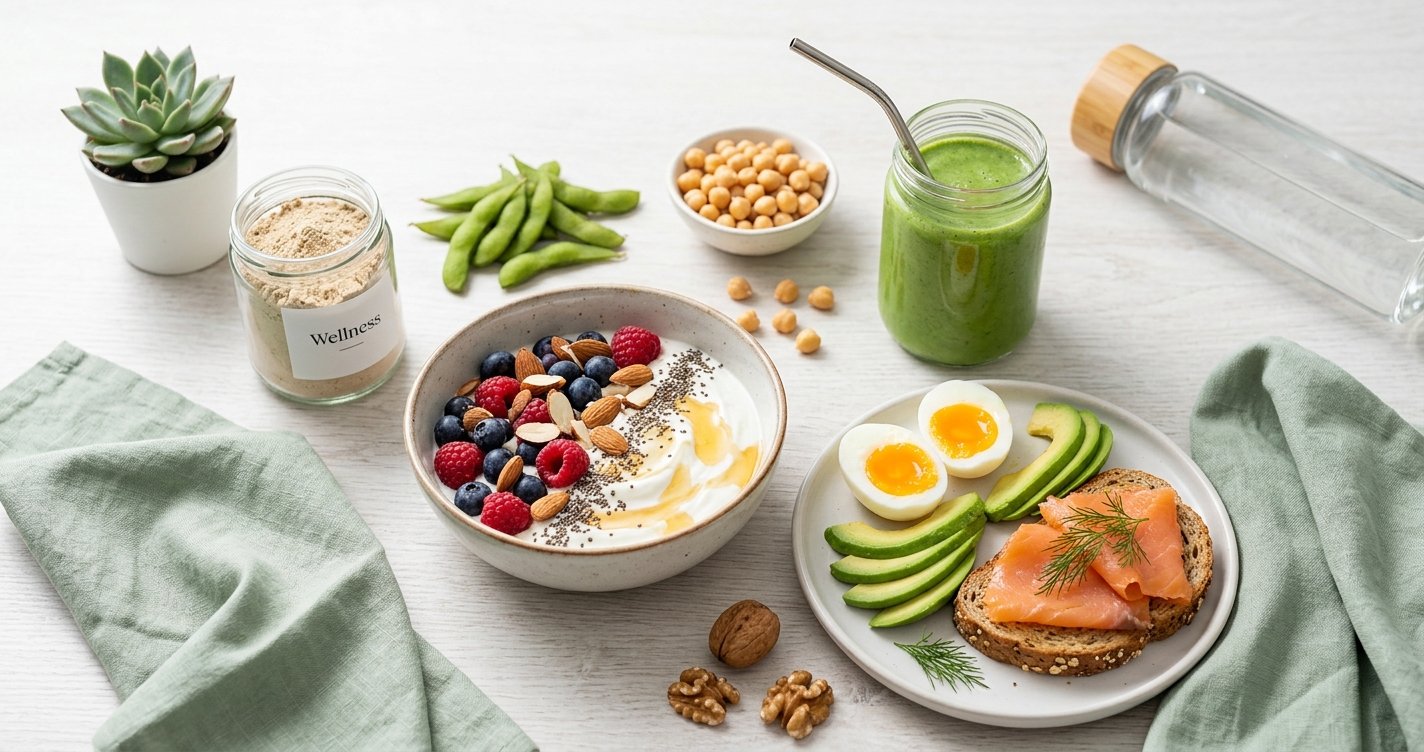
- Breakfast: Scrambled eggs, Greek yogurt with berries, cottage cheese, protein smoothie, or turkey bacon.
- Lunch: Chicken breast salad, tuna salad (with Greek yogurt instead of mayo), lentil soup, or lean ground beef stir-fry.
- Dinner: Baked salmon, grilled chicken or turkey, lean steak, tofu curry, or a hearty bean chili.
Smart Snacking Choices
Snacks are a perfect opportunity to boost your protein intake and keep hunger at bay between meals. Skip the sugary, carb-heavy options that leave you wanting more.
- Hard-boiled eggs
- A handful of almonds or walnuts
- Greek yogurt (plain, unflavored is best)
- Cottage cheese
- Beef jerky or turkey slices
- Protein bar (choose wisely, look for low sugar)
- Edamame
Don't Forget Plant-Based Power
If you're vegetarian, vegan, or simply want to diversify your protein sources, the plant kingdom offers an abundance of options. Combining different plant proteins can help ensure you get a complete amino acid profile.
- Legumes: Lentils, chickpeas, black beans, kidney beans (great in soups, salads, and curries).
- Soy Products: Tofu, tempeh, edamame (versatile for stir-fries, baking, or grilling).
- Grains: Quinoa (a complete protein), oats.
- Nuts & Seeds: Chia seeds, flax seeds, hemp seeds, almonds, peanuts.
- Seitan: A high-protein wheat gluten product with a meat-like texture.
The Role of Supplements (When Needed)
While whole foods should always be your primary source of nutrients, protein supplements can be a convenient and effective tool to help you reach your daily protein goals, especially on busy days or post-workout. Whey protein, casein protein, and various plant-based protein powders (pea, rice, soy) are popular choices. Remember, they are 'supplements' – designed to supplement a healthy diet, not replace it.
Beyond Protein: Holistic Habits for Lasting Fat Loss
While protein is a superstar, it's part of a larger orchestra of healthy habits that contribute to sustainable fat loss. Think of protein as the lead singer, but the band needs to be in harmony too!
- Calorie Deficit: Ultimately, fat loss requires consuming fewer calories than you burn. Protein makes this easier by enhancing satiety, but tracking your intake can still be helpful.
- Strength Training: As mentioned, combining high protein with resistance exercise is the ultimate strategy for preserving and building muscle while losing fat.
- Adequate Sleep: Poor sleep can wreak havoc on your hunger hormones (ghrelin and leptin) and increase cortisol, making fat loss significantly harder. Aim for 7-9 hours per night.
- Hydration: Drinking plenty of water can also help with satiety and overall metabolic function. Sometimes, thirst is mistaken for hunger!
- Stress Management: Chronic stress elevates cortisol, which can promote fat storage, particularly around the midsection. Find healthy ways to manage stress, such as meditation, yoga, or spending time in nature.
Your Protein-Powered Fat Loss Journey Starts Now!
You now have the knowledge and the tools to leverage the incredible power of protein for your fat loss journey. It's not about deprivation or extreme measures; it's about smart, sustainable choices that nourish your body, keep you feeling satisfied, and help you reach your goals efficiently.
Start small. Try adding an extra protein source to one meal a day, or swap out a low-protein snack for a high-protein alternative. Pay attention to how you feel – notice the improved satiety, the sustained energy, and the progress in your body composition. Embrace protein as your trusted partner, and get ready to unlock a more effective, enjoyable, and sustainable path to fat loss. You've got this!