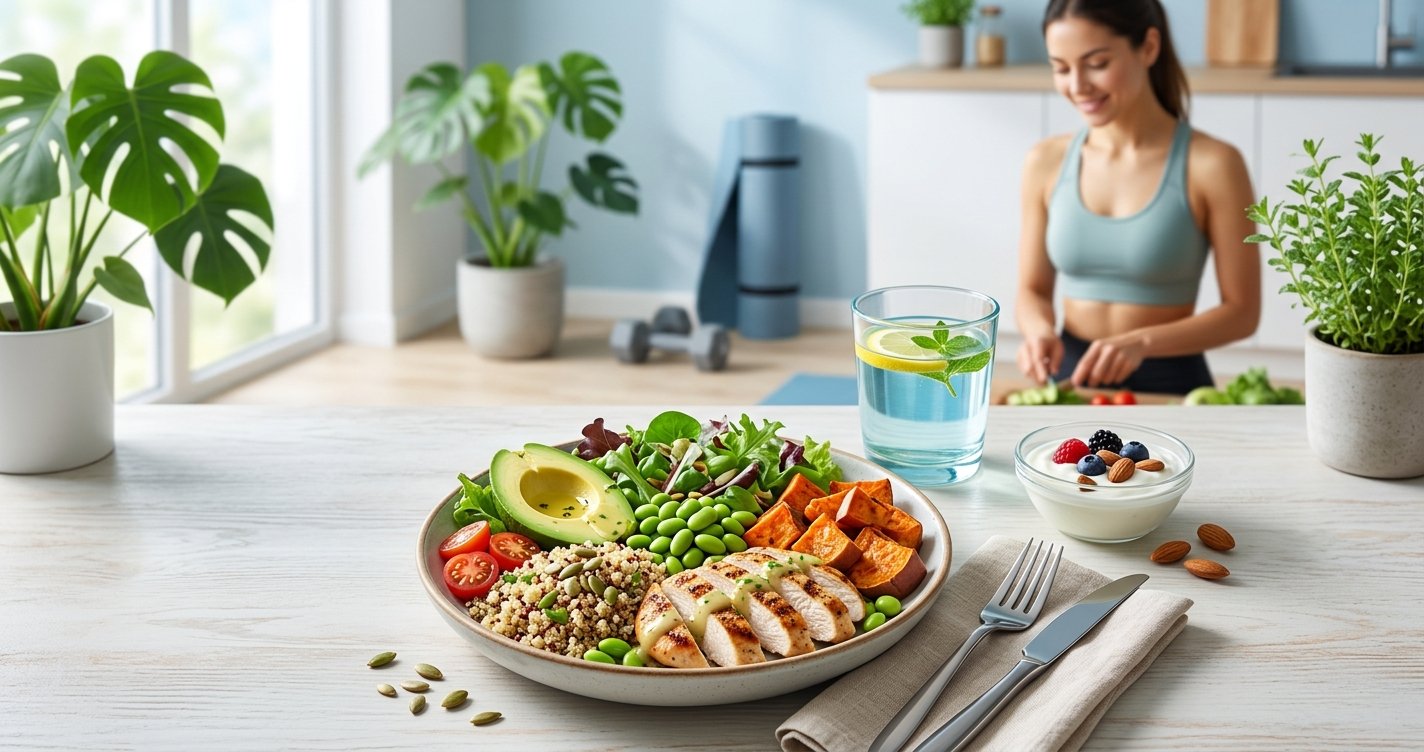
Struggling with fat loss can feel like an uphill battle, often leaving us frustrated and searching for the next quick fix. Many diets focus solely on slashing calories, which, while essential, often overlooks a critical player in the fat loss game: protein. What if there was a powerful, science-backed nutrient that could help you feel fuller, preserve muscle, and even boost your metabolism? The good news is, there is! And today, we're diving deep into the incredible, often underestimated, role of protein in achieving sustainable fat loss.
Forget the fads and unsustainable deprivation. This isn't about simply eating more chicken; it's about understanding how strategically optimizing your protein intake can transform your body composition, support your energy levels, and make your fat loss journey not just effective, but genuinely enjoyable and lasting. Let's unlock the power of protein together! this excellent wellness product
Why Protein is Your Fat Loss MVP (Most Valuable Player)
When it comes to shedding fat and maintaining a healthy body, protein isn't just another macronutrient; it's your Most Valuable Player. Its unique properties make it an indispensable tool in your fat loss arsenal. Let's break down the scientific reasons why:
1. The Satiety Superstar: Keeping Hunger at Bay
One of the biggest challenges in a calorie deficit is managing hunger. This is where protein shines! Numerous studies show that protein is by far the most satiating macronutrient. Eating enough protein helps you feel fuller for longer, reducing cravings and the likelihood of overeating. Imagine fewer mid-afternoon snack attacks and more control over your portions – that’s the protein advantage at work!
2. The Thermic Effect of Food (TEF): Burning More Calories Just by Eating
Did you know your body expends energy just to digest, absorb, and metabolize food? This is known as the Thermic Effect of Food (TEF). Protein has a significantly higher TEF compared to carbohydrates and fats. While carbs require 5-10% of their calories for digestion and fats 0-3%, protein demands a whopping 20-30%! This means that for every 100 calories of protein you consume, your body burns 20-30 calories just processing it. It’s like a mini metabolic boost with every high-protein meal!
3. Muscle Preservation: Protecting Your Metabolism's Engine
When you're in a calorie deficit, your body doesn't just burn fat; it can also start breaking down muscle tissue for energy. Losing muscle is counterproductive to fat loss because muscle is metabolically active – it burns more calories at rest than fat does. A higher protein intake, especially when combined with strength training, is crucial for preserving lean muscle mass during fat loss. This ensures your metabolism stays revved up, making it easier to burn fat in the long run and achieve a more toned physique.
The Science-Backed Sweet Spot: How Much Protein Do You Really Need?
So, if protein is so important, how much should you actually be eating? While individual needs can vary, scientific consensus provides clear guidelines for optimal fat loss:
- General Recommendation: For active individuals aiming for fat loss, a common recommendation is to consume between 1.6 to 2.2 grams of protein per kilogram of body weight (or 0.73 to 1 gram per pound of body weight) per day.
- Example: If you weigh 70 kg (154 lbs), you'd aim for roughly 112-154 grams of protein daily. If you're 180 lbs, you'd target 131-180 grams.
- Higher End for Aggressive Deficits or High Activity: Some research suggests that during very aggressive calorie deficits or periods of intense training, protein intake can even be pushed slightly higher (up to 2.5-3.0 g/kg) to maximize muscle preservation and satiety.
It's important to distribute this protein intake throughout your day, rather than trying to consume it all in one sitting. Aim for 20-40 grams of protein per meal, spread across 3-5 meals and snacks.
Protein Sources Galore: Fueling Your Body Right
Eating enough protein doesn't have to be bland or boring! There's a vast array of delicious and nutritious protein sources to choose from. Focus on whole, minimally processed foods whenever possible.
Animal-Based Protein Sources:
- Lean Meats: Chicken breast, turkey breast, lean beef (sirloin, round), pork loin.
- Fish & Seafood: Salmon, tuna, cod, shrimp, scallops (rich in Omega-3s too!).
- Eggs: A complete protein source, versatile and affordable.
- Dairy: Greek yogurt, cottage cheese, milk, whey protein (excellent for post-workout).
Plant-Based Protein Sources:
- Legumes: Lentils, chickpeas, black beans, kidney beans.
- Soy Products: Tofu, tempeh, edamame (versatile and complete proteins).
- Grains: Quinoa, oats (contain more protein than other grains).
- Nuts & Seeds: Almonds, peanuts, chia seeds, flax seeds, hemp seeds (also provide healthy fats).
- Plant-Based Protein Powders: Pea, rice, soy, or blended plant proteins can be useful for boosting intake.
Remember, variety is key! Experiment with different sources to keep your meals exciting and ensure you're getting a broad spectrum of nutrients.
Practical Strategies to Boost Your Protein Intake
Knowing how much protein you need is one thing; actually eating it is another. Here are some actionable tips to effortlessly integrate more protein into your daily routine:
- Start with Protein: Make protein the star of your breakfast. Think scrambled eggs, Greek yogurt with berries, or a protein smoothie instead of just toast or cereal.
- Protein at Every Meal: Aim to include a significant protein source in every main meal and most snacks. This helps with satiety and consistent muscle support throughout the day.
- Strategic Snacking: Ditch the sugary snacks and opt for protein-rich alternatives like a handful of almonds, a hard-boiled egg, cottage cheese, or a protein bar.
- Meal Prep Power: Cook larger batches of lean protein (chicken, fish, lentils) at the beginning of the week to easily add to salads, wraps, or stir-fries for quick meals.
- Smart Swaps: Replace some carb-heavy items with protein. For instance, use Greek yogurt instead of sour cream, or add lentils to your pasta sauce.
- Don't Fear Supplements (When Appropriate): Protein powders (whey, casein, plant-based) can be a convenient and effective way to meet your daily targets, especially after workouts or when you're short on time. They are not magic pills, but useful tools.
Beyond Protein: Synergistic Strategies for Success
While protein is a powerhouse for fat loss, it's part of a larger ecosystem. For truly sustainable and effective results, integrate protein with these synergistic strategies:
- Calorie Deficit: Ultimately, fat loss requires consuming fewer calories than you burn. Protein makes achieving and maintaining this deficit much easier due to its satiating effect.
- Strength Training: Lifting weights is crucial for building and preserving muscle mass, which works hand-in-hand with high protein intake to optimize body composition and metabolism.
- Adequate Sleep: Poor sleep can disrupt hunger hormones (ghrelin and leptin), making cravings worse and fat loss harder. Aim for 7-9 hours of quality sleep per night.
- Hydration: Drinking plenty of water can also help with satiety and overall metabolic function. Sometimes, thirst is mistaken for hunger.
- Mindful Eating: Pay attention to your hunger and fullness cues. Eat slowly, savor your food, and avoid distractions.
Dispelling Protein Myths and Common Concerns
You might have heard some myths about protein over the years. Let's clear the air with evidence-based facts:
- Myth: Too Much Protein is Bad for Your Kidneys.
Fact: For healthy individuals with normal kidney function, high protein intake has not been shown to cause kidney damage. Studies suggest it's safe and beneficial. However, if you have pre-existing kidney disease, consult your doctor. - Myth: Protein Will Make Women "Bulky."
Fact: Building significant muscle mass is extremely challenging for women due to lower testosterone levels. Protein helps preserve the lean muscle you already have and can create a more toned, athletic physique, not a bulky one. - Myth: Protein is Only for Bodybuilders.
Fact: Protein is essential for everyone, from athletes to the elderly, for muscle repair, growth, and countless bodily functions. Its benefits for fat loss and general health are universal.
Your Journey to Sustainable Fat Loss Starts Now
You now have a powerful, evidence-based strategy to boost your fat loss efforts: optimizing your protein intake. By prioritizing protein, you're not just cutting calories; you're building a more sustainable, effective, and enjoyable path to your goals.
Remember, this isn't about perfection, but progress. Start by making small, consistent changes. Add an extra scoop of Greek yogurt to your breakfast, choose lean protein for lunch, and ensure your dinner includes a solid protein source. Combine this with regular strength training, sufficient sleep, and mindful eating, and you'll be well on your way to unlocking a leaner, stronger, and healthier you.
You've got this! Embrace the power of protein and watch your fat loss journey transform.