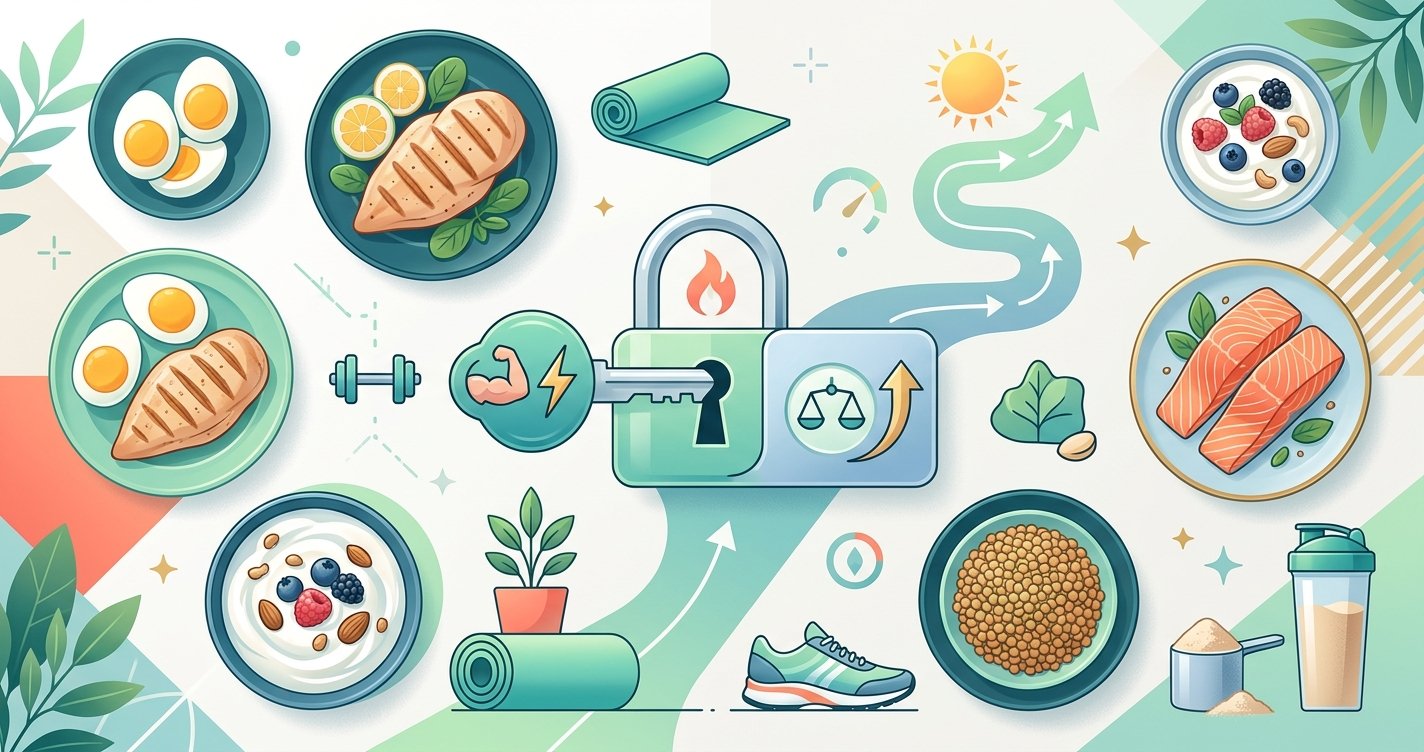
Unlock Sustainable Fat Loss: The Unbeatable Power of Protein
Are you navigating the often-confusing world of fat loss, feeling like you’ve tried every trick in the book without lasting results? You’re not alone. Many diets promise quick fixes, but true, sustainable fat loss isn't about deprivation; it's about smart, strategic nutrition that empowers your body. And if there’s one macronutrient that deserves the spotlight in your fat loss journey, it’s unequivocally protein.
Protein isn't just for bodybuilders; it's a foundational pillar for anyone looking to shed excess body fat, maintain muscle, and feel their best. In this evidence-based guide, we'll dive deep into why protein is your ultimate ally for sustainable fat loss, how much you truly need, and practical, friendly ways to incorporate more of this powerhouse nutrient into your daily life. this excellent wellness product
Why Protein is Your Secret Weapon for Fat Loss
Let's break down the science behind why protein reigns supreme when it comes to ditching fat and building a leaner, stronger you.
The Satiety Superstar: Keeping Cravings at Bay
One of the biggest challenges in any fat loss journey is managing hunger and cravings. This is where protein shines brightest! Protein is incredibly satiating, meaning it keeps you feeling fuller for longer compared to carbohydrates or fats. When you feel full and satisfied, you're less likely to overeat or reach for unhealthy snacks between meals.
- Hormonal Harmony: Protein influences satiety hormones like GLP-1 and PYY, which signal to your brain that you're full, reducing appetite.
- Steady Blood Sugar: Unlike simple carbs that can cause rapid blood sugar spikes and crashes (leading to increased hunger), protein helps stabilize blood sugar levels, keeping your energy steady and your cravings in check.
Metabolic Magic: The Thermic Effect of Food (TEF)
Did you know that your body expends calories just to digest and process the food you eat? This is known as the Thermic Effect of Food (TEF), and protein has the highest TEF of all macronutrients. Approximately 20-30% of the calories from protein are burned during its digestion and absorption, compared to 5-10% for carbohydrates and 0-3% for fats.
This means that simply by choosing a higher protein meal, you're boosting your metabolism and burning more calories without any extra effort. It's a small but significant advantage that adds up over time, making your fat loss efforts more efficient.
Muscle Maintenance & Growth: Fueling Your Fat-Burning Furnace
When you're in a calorie deficit to lose fat, there's always a risk of losing valuable muscle mass along with fat. This is detrimental because muscle is metabolically active tissue – it burns more calories at rest than fat does. Losing muscle can slow down your metabolism, making future fat loss harder.
Adequate protein intake is crucial for preserving and even building muscle mass, especially when combined with resistance training. By protecting your muscle, you keep your metabolism revving, turning your body into a more efficient fat-burning machine. Think of your muscles as your internal furnace; protein keeps that furnace burning strong!
How Much Protein Do You Really Need for Fat Loss?
The exact amount of protein can vary based on your body weight, activity level, and specific goals. However, for most individuals aiming for fat loss, general recommendations often fall within a higher range than standard dietary guidelines.
- General Guideline: A good starting point is often 1.6 to 2.2 grams of protein per kilogram of body weight (or approximately 0.7 to 1 gram per pound of target body weight).
- Example: If you weigh 70 kg (about 154 lbs), aiming for 112-154 grams of protein per day would be a solid target.
Spreading your protein intake throughout the day, rather than consuming it all in one meal, is also beneficial for muscle protein synthesis and satiety. Aim for 20-40 grams of protein per meal or snack.
Practical Strategies to Boost Your Protein Intake
Incorporating more protein into your diet doesn't have to be complicated or bland. Here are some friendly, actionable tips:
1. Make Protein the Star of Every Meal
Instead of thinking of protein as an afterthought, plan your meals around it. Whether it's breakfast, lunch, or dinner, ensure a quality protein source is at the center of your plate.
- Breakfast: Scrambled eggs, Greek yogurt with berries, cottage cheese, protein smoothie.
- Lunch: Chicken breast salad, lentil soup, tuna wrap, lean ground turkey stir-fry.
- Dinner: Baked salmon, steak with roasted vegetables, tofu curry, bean chili.
2. Smart Snacking: Choose Protein-Packed Options
Snacks are a perfect opportunity to boost your protein intake and keep hunger at bay between meals.
- Hard-boiled eggs
- A handful of almonds or walnuts
- Greek yogurt or skyr
- Cottage cheese with fruit
- Protein bar (check sugar content!)
- Edamame
- Turkey slices or beef jerky
3. Prioritize Whole, Unprocessed Protein Sources
While protein supplements can be helpful, focus primarily on whole food sources for their additional nutrients and fiber.
- Lean Meats: Chicken breast, turkey, lean beef, pork loin.
- Fish & Seafood: Salmon, tuna, cod, shrimp.
- Eggs & Dairy: Whole eggs, egg whites, Greek yogurt, cottage cheese, milk.
- Legumes: Lentils, chickpeas, black beans, kidney beans.
- Plant-Based: Tofu, tempeh, edamame, seitan, quinoa, spirulina.
4. Don't Fear the Supplement (When Needed)
Protein powders (whey, casein, soy, pea, rice) can be a convenient and effective way to meet your protein targets, especially if you have a busy lifestyle or specific dietary restrictions. They are not magic, but a tool to help you reach your goals.
Beyond the Macro: Quality Matters
While quantity is important, the quality of your protein sources also plays a role. Animal proteins are generally considered 'complete' proteins, meaning they contain all nine essential amino acids your body needs. Many plant-based proteins are 'incomplete,' but by combining different plant sources throughout the day (e.g., rice and beans), you can easily get all essential amino acids.
Focus on variety to ensure you're getting a broad spectrum of nutrients alongside your protein.
Debunking Common Protein Myths
Let's quickly address a couple of common misconceptions about protein:
- "Too much protein is bad for your kidneys." For healthy individuals with no pre-existing kidney conditions, studies generally show that a high protein intake (even up to 2.2g/kg) is safe and does not negatively impact kidney function. Always consult your doctor if you have concerns.
- "Protein will make me bulky." This is a common fear, especially among women. Protein builds and repairs muscle, but building significant 'bulk' requires specific training, a calorie surplus, and often genetic predisposition. For most, adequate protein will lead to a leaner, more toned physique, not excessive bulk.
Embrace Protein for Lasting Results
The journey to sustainable fat loss is not about quick fixes or extreme diets. It's about making informed choices that support your body and your goals long-term. By making protein a cornerstone of your diet, you're not just counting macros; you're leveraging a powerful tool that enhances satiety, boosts metabolism, and protects your precious muscle mass. This holistic approach makes fat loss not only more effective but also more enjoyable and sustainable.
So, take a friendly challenge: start paying closer attention to your protein intake. You might be surprised at how quickly you feel more satisfied, energized, and on your way to unlocking the leaner, stronger you that you've been working towards. Your body will thank you!