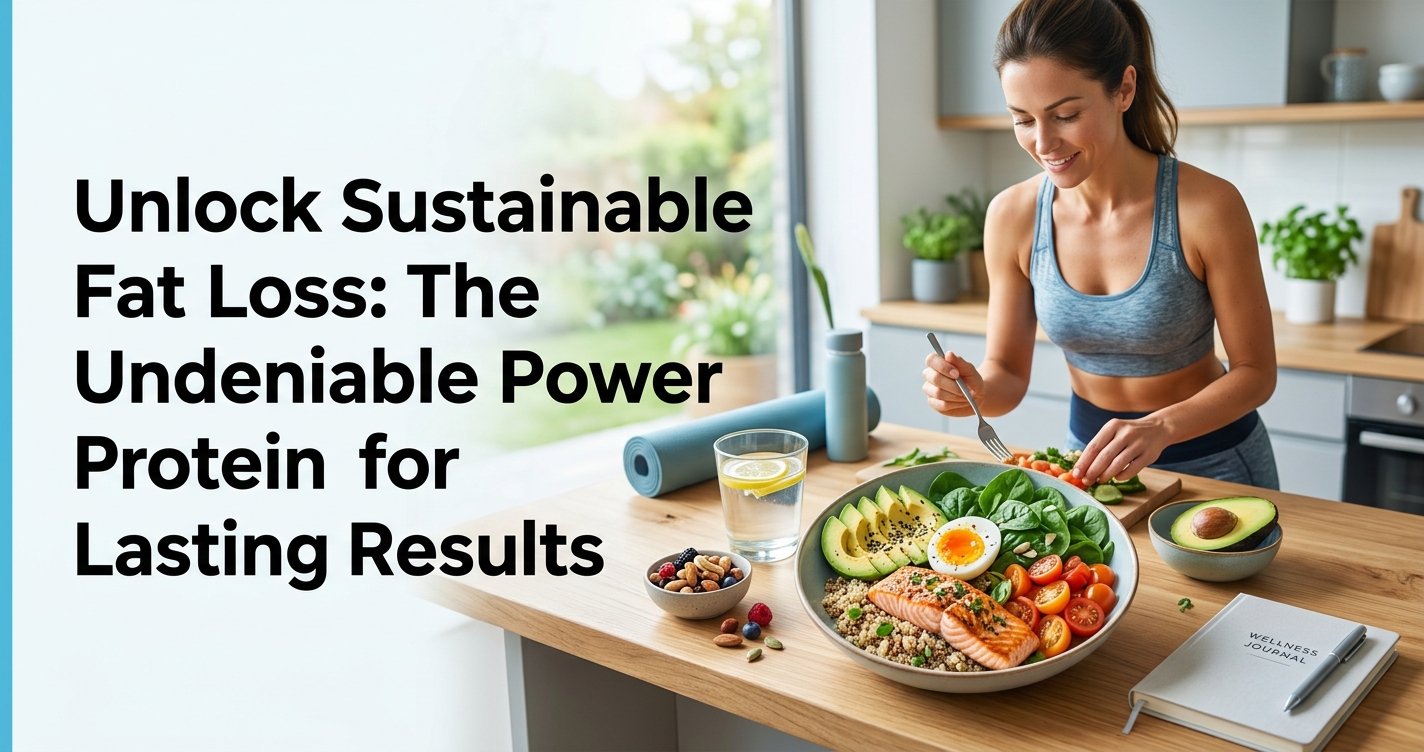
Tired of the Fat Loss Rollercoaster? It’s Time to Meet Your New Best Friend: Protein!
If you've ever embarked on a fat loss journey, you know it can feel like navigating a complex maze. You try different diets, restrict calories, hit the gym, and sometimes, despite all your efforts, the results are fleeting, or worse, non-existent. The good news? What if we told you there's one powerful nutrient that can make a profound difference, not just in shedding those extra pounds, but in keeping them off for good? Enter protein, the unsung hero of sustainable fat loss.
Forget extreme deprivation or endless cardio. In this guide, we're going to dive deep into the science-backed reasons why prioritizing protein is your secret weapon for not just losing fat, but building a stronger, healthier, and more vibrant you. Get ready to transform your approach to nutrition with evidence-based strategies that are friendly, encouraging, and truly effective. this excellent wellness product
Why Protein is Your Fat Loss MVP (Most Valuable Nutrient)
Protein isn't just for bodybuilders; it's essential for everyone, especially those aiming for fat loss. Its unique properties work synergistically to support your goals in ways other macronutrients simply can't.
The Satiety Superstar: Feeling Fuller, Longer
One of the biggest challenges in any fat loss plan is battling hunger and cravings. This is where protein shines! Protein is renowned for its ability to promote satiety – that feeling of fullness and satisfaction after a meal. Studies consistently show that high-protein meals keep you feeling fuller for longer compared to meals rich in fats or carbohydrates.
How does it work? Protein influences several hormones that regulate appetite, such as ghrelin (the hunger hormone) and GLP-1 and PYY (satiety hormones). By keeping ghrelin in check and boosting satiety signals, protein helps you naturally reduce your overall calorie intake without feeling deprived. Imagine fewer temptations to snack and more control over your portions – that’s the protein advantage!
Thermic Effect of Food (TEF): Burn More Calories Just By Eating
Did you know your body burns calories just to digest, absorb, and process the nutrients from your food? This is known as the Thermic Effect of Food (TEF). And guess which macronutrient has the highest TEF? You guessed it – protein!
While carbohydrates have a TEF of 5-10% and fats 0-3%, protein boasts a TEF of 20-30%. This means that for every 100 calories of protein you consume, your body uses 20-30 of those calories just to process it. While this might seem like a small difference, it adds up over the course of a day, week, and month, contributing to a higher daily energy expenditure and making your calorie deficit more effective without extra effort.
Muscle Preservation: The Key to a Revved-Up Metabolism
When you're in a calorie deficit to lose fat, your body can sometimes break down muscle tissue for energy, not just fat. This is a problem because muscle is metabolically active – it burns more calories at rest than fat tissue. Losing muscle means your resting metabolism slows down, making it harder to lose weight and easier to regain it.
Adequate protein intake is crucial for preserving lean muscle mass during fat loss. It provides the amino acids (the building blocks of muscle) your body needs to repair and rebuild muscle tissue. By maintaining or even building muscle while losing fat, you keep your metabolism revved up, turning your body into a more efficient fat-burning machine even when you're just sitting still.
How Much Protein Do You Really Need for Fat Loss?
So, if protein is so important, how much should you be aiming for? The general dietary reference intake (DRI) for protein is 0.8 grams per kilogram of body weight (0.36 grams per pound) for sedentary adults. However, for those looking to lose fat, build muscle, or who are highly active, these recommendations often fall short.
General Guidelines and Individual Needs
- For Fat Loss: Most evidence suggests that aiming for 1.6 to 2.2 grams of protein per kilogram of body weight (0.7 to 1.0 grams per pound) is optimal. For example, if you weigh 70 kg (about 154 lbs), you'd aim for roughly 112-154 grams of protein per day.
- Activity Level: If you're regularly engaging in strength training or intense cardio, your protein needs might be at the higher end of this range to support muscle repair and growth.
- Age: As we age, our bodies become less efficient at utilizing protein. Older adults may benefit from slightly higher protein intakes to prevent sarcopenia (age-related muscle loss).
- Body Composition: These guidelines are often based on total body weight. If you carry a significant amount of excess weight, using your lean body mass (or an estimated target body weight) can provide a more accurate target.
It's always a good idea to start at the lower end of the recommended range and adjust based on how you feel, your hunger levels, and your progress. Listening to your body is key!
Making Protein a Priority: Practical Tips & Delicious Sources
Integrating more protein into your diet doesn't have to be bland or complicated. Here are some practical tips and delicious sources to help you hit your targets.
Smart Food Choices: Animal vs. Plant-Based Proteins
Both animal and plant-based protein sources can effectively support your fat loss goals. The key is variety and consistency.
Animal-Based Proteins:
- Lean Meats: Chicken breast, turkey, lean beef, pork tenderloin.
- Fish & Seafood: Salmon (rich in omega-3s!), tuna, cod, shrimp.
- Eggs: A complete protein, versatile, and affordable.
- Dairy: Greek yogurt, cottage cheese, milk, whey protein powder.
Plant-Based Proteins:
- Legumes: Lentils, chickpeas, black beans, kidney beans.
- Soy Products: Tofu, tempeh, edamame.
- Grains: Quinoa, farro, oats (contain some protein).
- Nuts & Seeds: Almonds, peanuts, chia seeds, flax seeds, pumpkin seeds (also good fats!).
- Vegetables: Broccoli, spinach, asparagus (contain small amounts that add up).
Timing is Everything (or is it?): Spreading Protein Throughout Your Day
While the total amount of protein you consume in a day is most important, spreading your intake across multiple meals can optimize muscle protein synthesis and satiety.
- Start Strong with Breakfast: Ditch the sugary cereal. Opt for eggs, Greek yogurt, cottage cheese, or a protein smoothie to kickstart your metabolism and keep you full until lunch.
- Protein at Every Meal: Aim for a significant protein source (20-40 grams, depending on your total target) at breakfast, lunch, and dinner.
- Smart Snacking: If you need a snack, make it protein-rich. Hard-boiled eggs, a handful of almonds, a scoop of cottage cheese, or a protein bar can bridge the gap between meals and prevent overeating.
Protein Supplements: When and Why They Can Help
Protein supplements are not magic pills, nor are they strictly necessary if you can meet your protein needs through whole foods. However, they can be a convenient and effective tool, especially for busy individuals or those with higher protein requirements.
- Whey Protein: Fast-digesting, ideal post-workout or for quick protein boosts.
- Casein Protein: Slow-digesting, excellent before bed to provide a steady supply of amino acids throughout the night.
- Plant-Based Proteins: Pea, rice, hemp, or soy protein powders are great options for vegans or those with dairy sensitivities.
Always choose high-quality supplements and remember they are meant to supplement, not replace, nutrient-dense whole foods.
Beyond the Plate: Holistic Fat Loss
While protein is a powerful ally, remember that sustainable fat loss is a multi-faceted journey. Protein works best when integrated into a holistic approach:
- Calorie Deficit: To lose fat, you still need to consume fewer calories than you burn. Protein makes this deficit easier to achieve and maintain.
- Resistance Training: Lifting weights is crucial for building and preserving muscle mass, which works hand-in-hand with protein intake.
- Adequate Sleep: Poor sleep can disrupt hunger hormones and increase cravings, making fat loss harder.
- Stress Management: Chronic stress can elevate cortisol, potentially hindering fat loss.
- Hydration: Drinking enough water supports metabolism and can help manage hunger.
Your Journey Starts Now: Embrace the Protein Advantage
You now have a deeper understanding of why protein is not just another nutrient, but a cornerstone of effective and sustainable fat loss. By prioritizing protein, you're not just counting calories; you're actively working with your body to boost satiety, increase calorie burning, and protect your precious muscle mass.
It's time to step off the fat loss rollercoaster and embrace a strategy that truly works for lasting results. Start by making small, consistent changes: add an extra serving of protein to your breakfast, choose protein-rich snacks, and make sure every meal features a quality protein source. Be patient, be consistent, and trust the process. Your body will thank you, and you'll be well on your way to achieving your fat loss goals in a healthy, sustainable way. You've got this!