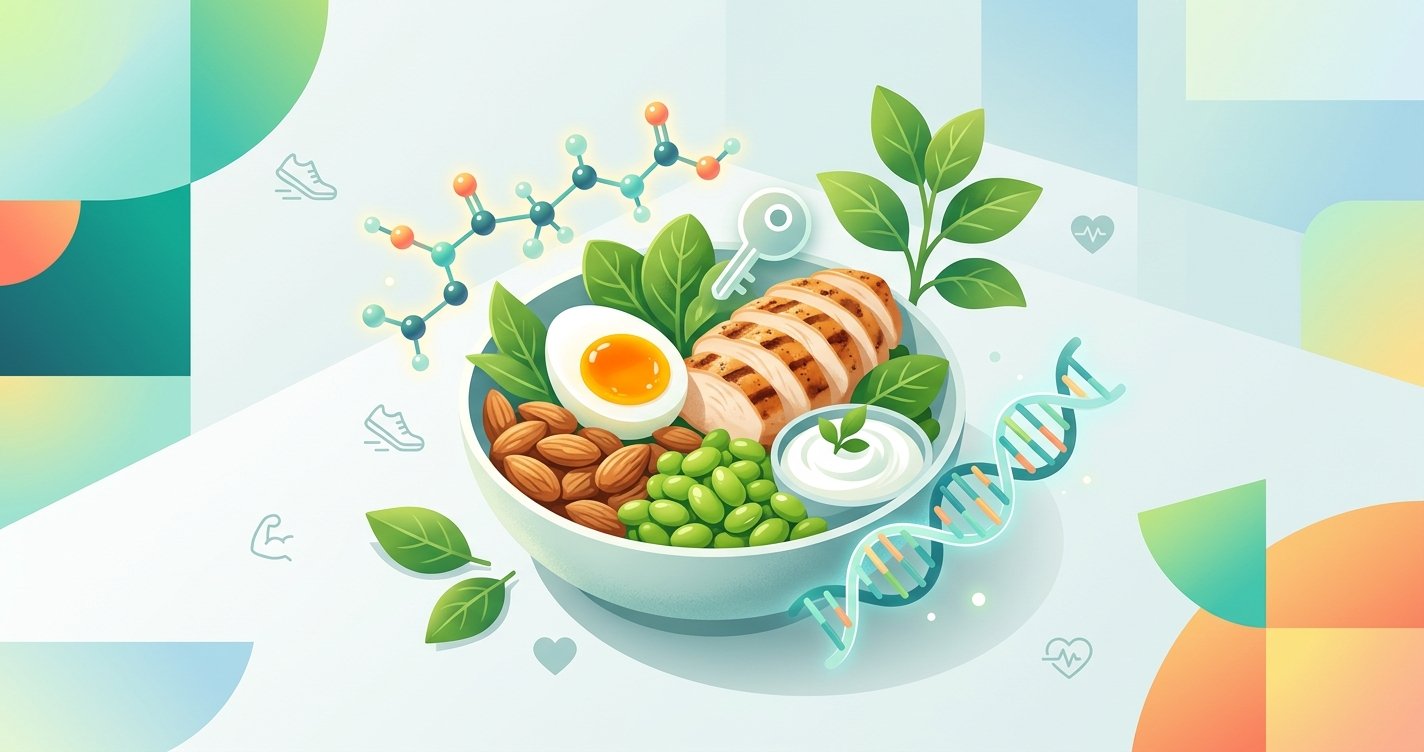
Are you tired of the endless cycle of restrictive diets and disappointing results? Do you dream of a fat loss journey that feels sustainable, enjoyable, and truly effective? If so, you're in the right place! While countless fads promise quick fixes, the truth lies in understanding foundational nutritional principles. Today, we're going to shine a spotlight on one of the most powerful, yet often underestimated, allies in your quest for sustainable fat loss: protein.
Forget deprivation and confusion. We're diving deep into the science behind why protein isn't just important, but absolutely crucial for shedding unwanted fat, preserving lean muscle, and keeping you feeling satisfied along the way. Get ready to discover how incorporating more protein strategically can transform your body composition, boost your metabolism, and set you up for long-term success. Let's unlock the power of protein together! this excellent wellness product
Why Protein is Your Fat Loss MVP (Most Valuable Player)
Think of protein as the ultimate multi-tasker for your body, especially when you're aiming for fat loss. It plays several critical roles that no other macronutrient can quite replicate, making it an indispensable part of your nutritional strategy.
The Satiety Factor: Feeling Fuller, Longer
One of the biggest challenges in fat loss is managing hunger and cravings. This is where protein truly shines! Protein is renowned for its incredible ability to increase satiety – that feeling of fullness and satisfaction after a meal. When you eat protein, it triggers the release of specific hormones (like GLP-1 and CCK) that signal to your brain that you're full, reducing your desire to eat more. Studies consistently show that higher protein diets lead to reduced overall calorie intake without even consciously trying to restrict calories. Imagine feeling satisfied and in control, making healthier food choices almost effortlessly!
The Thermic Effect: Burning More Calories Just By Eating
Did you know that your body expends energy just to digest and process the food you eat? This is known as the Thermic Effect of Food (TEF). And guess what? Protein has a significantly higher TEF compared to carbohydrates and fats. Roughly 20-30% of the calories from protein are burned off during digestion, compared to 5-10% for carbs and 0-3% for fats. This means that by simply increasing your protein intake, you're subtly boosting your daily calorie expenditure – a fantastic metabolic advantage when aiming for fat loss!
Muscle Preservation: Maintaining Your Metabolism
When you're in a calorie deficit to lose fat, there's always a risk of losing some precious muscle mass along with it. This is problematic because muscle is metabolically active tissue – it burns more calories at rest than fat does. Losing muscle can slow down your metabolism, making future fat loss harder and increasing the chances of weight regain. Protein is essential for repairing and building muscle tissue. By consuming adequate protein, especially in conjunction with strength training, you help your body preserve lean muscle mass, ensuring your metabolism stays revving and your body remains a more efficient fat-burning machine.
How Much Protein Do You Really Need for Fat Loss?
This is a common question, and the answer isn't a one-size-fits-all. While general recommendations exist, optimizing your protein intake for fat loss often requires a slightly higher amount than the standard dietary guidelines.
General Guidelines vs. Individual Needs
The Recommended Dietary Allowance (RDA) for protein is 0.8 grams per kilogram of body weight (or 0.36 grams per pound) for sedentary adults. However, for active individuals, and especially those aiming for fat loss, this amount is often insufficient to fully leverage protein's benefits for satiety, TEF, and muscle preservation.
For fat loss, a more effective target range is typically between 1.6 to 2.2 grams of protein per kilogram of body weight (or 0.73 to 1 gram per pound of body weight). If you're very active or have a higher percentage of lean body mass, you might even benefit from slightly higher amounts.
Calculating Your Optimal Intake
Let's make it practical. Here's how you can estimate your target:
- Step 1: Know Your Weight. If you weigh 150 pounds (approx. 68 kg).
- Step 2: Choose Your Target Multiplier. Let's aim for the middle ground, say 1 gram per pound of body weight.
- Step 3: Calculate. 150 pounds x 1 gram/pound = 150 grams of protein per day.
Remember, this is a guideline. Listen to your body, and if you're unsure, consulting with a registered dietitian or nutritionist can provide personalized recommendations.
Smart Strategies to Boost Your Protein Intake
Now that you know why protein is so powerful and how much you might need, let's talk about the practical "how-to." It's easier than you think to integrate more protein into your daily routine!
Prioritize Protein at Every Meal
Instead of thinking of protein as an afterthought, make it the star of your plate. Aim for a substantial source of protein at breakfast, lunch, and dinner. This helps distribute your intake throughout the day, maximizing muscle protein synthesis and satiety.
- Breakfast: Eggs, Greek yogurt, cottage cheese, protein powder in a smoothie, lean sausage.
- Lunch/Dinner: Chicken breast, turkey, lean beef, fish (salmon, tuna, cod), tofu, tempeh, lentils, beans, edamame.
Smart Snacking Choices
Mid-day hunger can derail even the best intentions. Instead of reaching for sugary or carb-heavy snacks, opt for protein-rich options:
- Hard-boiled eggs
- A handful of almonds or walnuts
- Cottage cheese or Greek yogurt
- Beef jerky (low-sugar varieties)
- Protein bar (check ingredients for added sugars)
- Apple slices with peanut butter (check serving size for the butter!)
Protein Supplements: When and How?
While whole foods should always be your primary source of nutrition, protein supplements can be a convenient and effective tool to help you meet your daily targets, especially if you have high needs or a busy lifestyle. Whey, casein, and plant-based proteins (like pea or soy) are popular choices. They're great for post-workout recovery, as a quick snack, or to boost the protein content of smoothies. Just remember, they are "supplements" – meant to complement your diet, not replace whole meals.
Beyond Protein: Holistic Habits for Lasting Results
While protein is a superstar, sustainable fat loss is a symphony of healthy habits working together. To truly optimize your results and maintain them for life, consider these complementary pillars.
The Role of Strength Training
We touched on muscle preservation, but let's emphasize strength training. Lifting weights or engaging in resistance exercises (bodyweight, bands) is crucial for building and maintaining muscle mass. More muscle means a higher resting metabolism, which translates to burning more calories even when you're just sitting around. Aim for 2-4 strength training sessions per week.
Hydration and Sleep: The Unsung Heroes
Don't underestimate the power of these basics! Staying well-hydrated helps with satiety, can boost metabolism, and is essential for all bodily functions. Aim for at least 8 glasses of water daily. Quality sleep (7-9 hours per night) is equally vital. Poor sleep disrupts hormones that regulate hunger and satiety (ghrelin and leptin), making you more prone to cravings and overeating. Prioritize your rest!
Mindful Eating and Stress Management
Fat loss isn't just about what you eat, but how and why you eat. Practicing mindful eating – paying attention to your hunger and fullness cues, savoring your food, and eating without distractions – can significantly impact your calorie intake and relationship with food. Similarly, chronic stress can lead to elevated cortisol levels, which can promote fat storage, especially around the belly. Incorporate stress-reducing activities like meditation, yoga, or spending time in nature.
Your Journey to Sustainable Fat Loss Starts Now!
You now have a powerful understanding of how protein can be your greatest ally in achieving sustainable fat loss. It's not about deprivation; it's about smart, evidence-based nutrition that empowers you to feel full, fuel your metabolism, and preserve your hard-earned muscle.
Remember, consistency is key. Start by making small, manageable changes. Focus on adding a quality protein source to every meal, experimenting with new protein-rich snacks, and supporting your efforts with strength training, adequate hydration, and restorative sleep. This isn't just a diet; it's a lifestyle transformation that promises not just a leaner body, but a healthier, more energetic you.
You've got this! Embrace the power of protein and embark on your journey to a stronger, healthier, and more sustainable you.