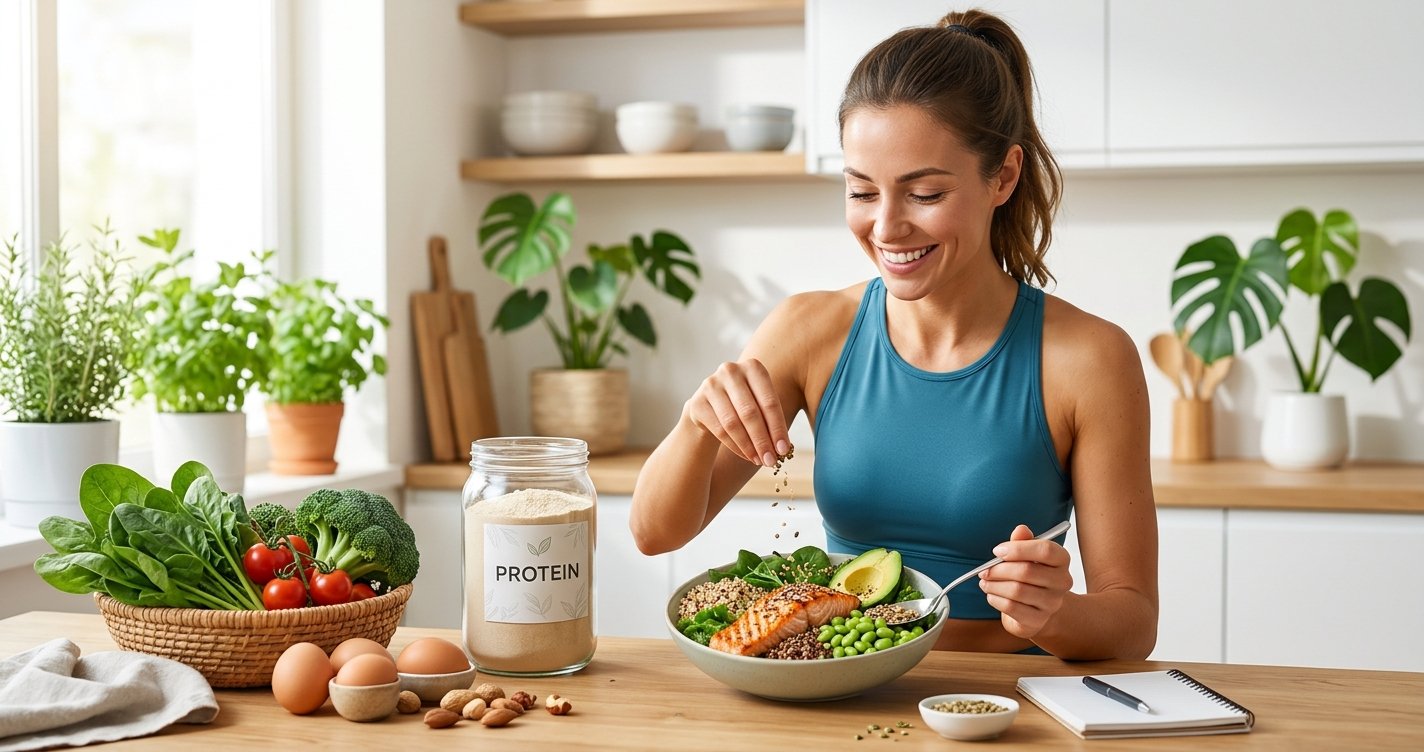
Unlock Sustainable Fat Loss: The Undeniable Power of Protein
Are you on a journey to shed those stubborn pounds, feeling like you’ve tried every diet under the sun without lasting success? You’re not alone. The world of fat loss can be overwhelming, filled with fleeting fads and confusing advice. But what if one key nutrient could significantly boost your efforts, helping you feel fuller, preserve muscle, and even burn more calories? Enter protein – your often-underestimated, yet incredibly powerful ally in achieving sustainable fat loss.
Forget the restrictive cleanses and crash diets. Our focus today is on an evidence-based, friendly, and encouraging approach that places protein at the heart of your strategy. We’re not talking about a magic pill, but a fundamental building block that, when optimized, can transform your body composition and make your fat loss journey genuinely more effective and enjoyable. Let’s dive into why protein is your MVP (Most Valuable Player) in the quest for a leaner, healthier you. this excellent wellness product
Why Protein is Your Fat Loss MVP (Most Valuable Player)
Protein isn't just for bodybuilders; it's a critical macronutrient for everyone, especially when you're aiming for fat loss. Its benefits extend far beyond simply building muscle, playing a pivotal role in three key areas that directly impact your ability to lose fat sustainably.
1. The Satiety Superstar: Keeping Cravings at Bay
One of the biggest challenges in any fat loss journey is managing hunger and cravings. This is where protein shines brightest. Protein has a remarkable ability to make you feel fuller for longer compared to carbohydrates or fats. When you consume protein, it triggers the release of satiety hormones like GLP-1 and PYY, signaling to your brain that you're satisfied. This reduces your overall calorie intake throughout the day, making it easier to stick to your calorie deficit without feeling constantly deprived or battling intense hunger pangs. Imagine fewer urges to raid the snack cupboard – that's the power of protein in action!
2. The Metabolic Booster: Thermic Effect of Food (TEF)
Did you know that your body expends energy just to digest, absorb, and metabolize the food you eat? This is known as the Thermic Effect of Food (TEF). Protein has a significantly higher TEF than carbohydrates or fats. Approximately 20-30% of the calories from protein are burned off during digestion, compared to just 5-10% for carbs and 0-3% for fats. While this isn't a massive calorie burn, it's a consistent, passive boost to your daily energy expenditure that adds up over time, giving you a slight metabolic advantage in your fat loss efforts.
3. Muscle Preservation: Protecting Your Metabolism
When you're in a calorie deficit, your body doesn't just burn fat; it can also break down muscle tissue for energy. Losing muscle is detrimental to fat loss because muscle is metabolically active – it burns more calories at rest than fat does. A higher protein intake, especially when combined with strength training, helps to preserve your precious muscle mass while you're losing fat. This ensures that your metabolism stays robust, preventing the dreaded "metabolic slowdown" often associated with dieting and making it easier to maintain your results long-term.
How Much Protein Do You Really Need? (Evidence-Based Recommendations)
So, we know protein is crucial, but how much is enough? The exact amount can vary based on your activity level, age, and fat loss goals. However, for individuals aiming for fat loss, research consistently points to higher protein intakes being beneficial.
- General Guideline: A good starting point for most active individuals looking to lose fat is around 1.6 to 2.2 grams of protein per kilogram of body weight (or 0.7 to 1 gram per pound of body weight).
- Example: If you weigh 70 kg (about 154 lbs), you'd aim for roughly 112 to 154 grams of protein per day. If you weigh 150 lbs, you'd target 105 to 150 grams.
- Factors to Consider:
- Activity Level: If you're highly active or engaging in regular strength training, you might benefit from the higher end of the spectrum to support muscle repair and growth.
- Age: Older adults may require slightly more protein to combat age-related muscle loss (sarcopenia).
- Satiety: If you find yourself constantly hungry, increasing your protein intake towards the higher end of the recommendation can be a very effective strategy.
Is too much protein harmful? For most healthy individuals, a high protein intake within these recommended ranges is safe and not detrimental to kidney health. Studies have debunked the myth that high protein diets harm healthy kidneys. However, if you have pre-existing kidney disease, always consult with your doctor or a registered dietitian.
Smart Strategies to Boost Your Protein Intake
Hitting your protein targets might seem daunting at first, but with a few smart strategies, it becomes much more manageable. The key is to integrate protein-rich foods into every meal and snack.
1. Power-Up Your Breakfast
Many people start their day with low-protein options like cereal or toast. Transform your breakfast into a protein powerhouse:
- Greek Yogurt: Opt for plain Greek yogurt (20+g protein per cup) with berries.
- Eggs: Scrambled, boiled, or an omelet (6g protein per egg) – a classic choice.
- Protein Smoothie: Blend protein powder with fruit, spinach, and milk/water.
- Cottage Cheese: Excellent source, can be savory or sweet.
2. Make Protein the Star of Lunch & Dinner
Ensure a lean protein source is the centerpiece of your main meals:
- Lean Meats: Chicken breast, turkey, lean beef, pork loin.
- Fish & Seafood: Salmon, tuna, cod, shrimp (packed with protein and healthy fats).
- Plant-Based Options: Tofu, tempeh, lentils, beans, edamame.
- Quinoa: A complete protein grain that pairs well with anything.
3. Snack Smarter, Not Harder
Mid-day snacks are prime opportunities to boost your protein without adding excessive calories:
- Hard-boiled eggs
- A handful of almonds or walnuts
- Cheese sticks
- Turkey jerky
- Protein bar (choose wisely, look for low sugar, high protein)
- Edamame
4. Don't Forget Distribution
Instead of trying to cram all your protein into one or two meals, aim to spread your intake evenly throughout the day. This optimizes muscle protein synthesis and helps maintain satiety levels consistently, preventing those energy dips and subsequent cravings.
Beyond Protein: A Holistic Approach to Sustainable Fat Loss
While protein is undoubtedly a powerful tool, it's essential to remember that it's part of a larger, holistic picture. Sustainable fat loss isn't achieved by focusing on just one nutrient, but by integrating several healthy habits. Think of protein as a vital piece of the puzzle, not the entire solution.
1. Calorie Deficit is King (and Protein Helps!)
Ultimately, to lose fat, you must consume fewer calories than your body burns. This is the fundamental principle of a calorie deficit. Protein helps you achieve and sustain this deficit by increasing satiety and slightly boosting metabolism, making it feel less like a struggle.
2. Embrace Strength Training
Pairing a high-protein diet with regular strength training is a game-changer. Strength training not only builds muscle but also signals to your body that it needs to preserve that muscle during a calorie deficit. More muscle means a higher resting metabolism, making fat loss easier and more sustainable long-term.
3. Prioritize Sleep and Manage Stress
Lack of sleep and chronic stress can wreak havoc on your hormones, leading to increased cravings, elevated cortisol (which can promote fat storage), and impaired recovery. Aim for 7-9 hours of quality sleep and find healthy ways to manage stress, whether through mindfulness, exercise, or hobbies.
4. Hydration and Fiber
Don't underestimate the power of water and fiber. Staying well-hydrated can help manage hunger signals (sometimes thirst is mistaken for hunger), and fiber-rich foods (fruits, vegetables, whole grains) contribute to satiety, gut health, and overall nutrient intake.
Common Protein Pitfalls & How to Avoid Them
Even with the best intentions, it's easy to fall into common traps when trying to increase protein intake. Awareness is the first step to avoidance!
- Not Tracking Your Intake: Many people overestimate their protein intake. For a few days, try using a food tracking app to get an accurate baseline. You might be surprised!
- Over-Reliance on Supplements: Protein powders and bars can be convenient, but they shouldn't replace whole food sources. Prioritize lean meats, fish, eggs, dairy, and legumes, and use supplements as a complement, not a substitute.
- Ignoring Overall Diet Quality: Simply adding protein to an otherwise unhealthy diet won't yield optimal results. Focus on whole, unprocessed foods, plenty of fruits and vegetables, and healthy fats alongside your protein.
- Fear of 'Too Much' Protein: As discussed, for healthy individuals, exceeding standard protein recommendations for fat loss is generally safe and often beneficial. Don't let outdated myths hold you back.
- Lack of Variety: Eating the same chicken breast and broccoli every day can lead to boredom and make it harder to stick to your plan. Explore different protein sources and recipes to keep things interesting.
Putting It All Together: Your Action Plan
Ready to harness the power of protein for your fat loss journey? Here’s a simple action plan to get you started:
Conclusion: Your Sustainable Path to Fat Loss
Protein is far more than just a muscle-building nutrient; it’s a cornerstone of effective and sustainable fat loss. By prioritizing protein, you’ll naturally enhance satiety, give your metabolism a gentle boost, and protect your precious muscle mass – all critical factors in transforming your body composition. Remember, this isn't about quick fixes, but about building habits that serve your health and your goals for the long run. Combined with a balanced diet, regular exercise, adequate sleep, and mindful living, optimizing your protein intake will undoubtedly set you on a clearer, more enjoyable path to unlocking the leaner, healthier you. You’ve got this!