Unlock Sustainable Fat Loss: The Unbeatable Power of Protein (and How to Get Enough!)
Are you on a fat loss journey, feeling like you've tried every diet under the sun, only to be met with frustration, constant hunger, and diminishing returns? You're not alone. The world of fat loss can feel overwhelming, filled with fads and conflicting advice. But what if there was one key nutrient that could make a profound difference, not just in shedding those stubborn pounds, but in making your journey sustainable, enjoyable, and truly effective? Enter protein – your unsung hero in the quest for lasting fat loss.
Often relegated to the realm of bodybuilders and athletes, protein is a powerhouse nutrient that deserves a starring role in everyone's diet, especially when your goal is to reduce body fat. It’s not just about building big muscles; it's about feeling full, boosting your metabolism, and preserving the precious muscle you already have. In this friendly, evidence-based guide, we’ll dive deep into why protein is so crucial for sustainable fat loss and equip you with practical strategies to effortlessly incorporate more of it into your daily life. Get ready to transform your approach to eating and finally achieve the results you’ve been working towards! this excellent wellness product
Why Protein is Your Secret Weapon for Fat Loss
Let's break down the science-backed reasons why prioritizing protein is a game-changer for anyone looking to lose fat in a healthy, sustainable way. These aren't just theories; they're physiological advantages that work in your favor.
The Satiety Superstar: Feeling Fuller, Longer
One of the biggest hurdles in any fat loss journey is hunger. Constant cravings and the feeling of deprivation can derail even the most determined efforts. This is where protein truly shines! Protein is renowned for its incredible ability to promote satiety, meaning it keeps you feeling full and satisfied for longer periods compared to carbohydrates or fats. When you consume protein, it triggers the release of specific gut hormones, like cholecystokinin (CCK), peptide YY (PYY), and glucagon-like peptide-1 (GLP-1), which signal to your brain that you're full. Simultaneously, it helps to suppress ghrelin, often dubbed the 'hunger hormone.' This powerful combination reduces your overall appetite, curbing those annoying cravings and making it easier to stick to a calorie deficit without feeling constantly deprived.
Boosting Your Metabolism: The Thermic Effect of Food (TEF)
Did you know that your body expends energy just to digest, absorb, and metabolize the food you eat? This phenomenon is known as the Thermic Effect of Food (TEF), and it varies significantly between macronutrients. Protein has the highest TEF of all! Approximately 20-30% of the calories you consume from protein are used up in this digestive process. Compare that to carbohydrates (5-10%) and fats (0-3%), and you can see why protein is a metabolic booster. By increasing your protein intake, you're essentially giving your metabolism a small, but significant, extra push throughout the day, helping you burn more calories without even trying.
Protecting Your Hard-Earned Muscle (and Boosting Fat Burn)
When you're in a calorie deficit (eating fewer calories than you burn) to lose fat, your body can sometimes break down muscle tissue for energy, alongside fat. This is the last thing you want! Muscle is metabolically active tissue, meaning it burns more calories at rest than fat does. Preserving your lean muscle mass is absolutely critical for maintaining a healthy metabolism and ensuring that the weight you lose is primarily fat, not muscle. Adequate protein intake provides the essential amino acids your body needs to repair and build muscle, signaling to your body to hold onto that valuable muscle tissue even while you're in a deficit. The more muscle you preserve, the higher your resting metabolic rate remains, making long-term fat loss and maintenance much easier.
How Much Protein Do You Actually Need for Fat Loss?
This is a common question, and while individual needs can vary, scientific research provides clear guidelines for optimal protein intake during fat loss. For adults looking to optimize body composition and preserve muscle mass during a calorie deficit, a general recommendation is to aim for 1.6 to 2.2 grams of protein per kilogram of body weight, or roughly 0.7 to 1 gram per pound of your target body weight. If you're very active or engaged in strength training, you might even benefit from the higher end of this range.
For example, if your target body weight is 150 pounds, you’d aim for approximately 105-150 grams of protein per day. It might sound like a lot, but by strategically incorporating protein into each meal and snack, it's very achievable!
Smart Strategies to Maximize Your Protein Intake
Now that you understand the "why," let's dive into the "how." Incorporating more protein doesn’t have to be complicated or boring. With a few simple shifts, you can easily boost your intake and reap the benefits.
Spread It Out: The Power of Even Distribution
Instead of trying to hit all your protein goals in one massive meal, aim to distribute your protein intake fairly evenly throughout the day. Research suggests that consuming around 20-40 grams of protein per meal (depending on your total daily needs) is optimal for stimulating muscle protein synthesis and keeping you feeling full. Think of it as fueling your body consistently, rather than in sporadic bursts.
Prioritize Protein at Every Meal
Make protein the star of your plate! When planning your meals, start with your protein source and build around it. Here are some examples:
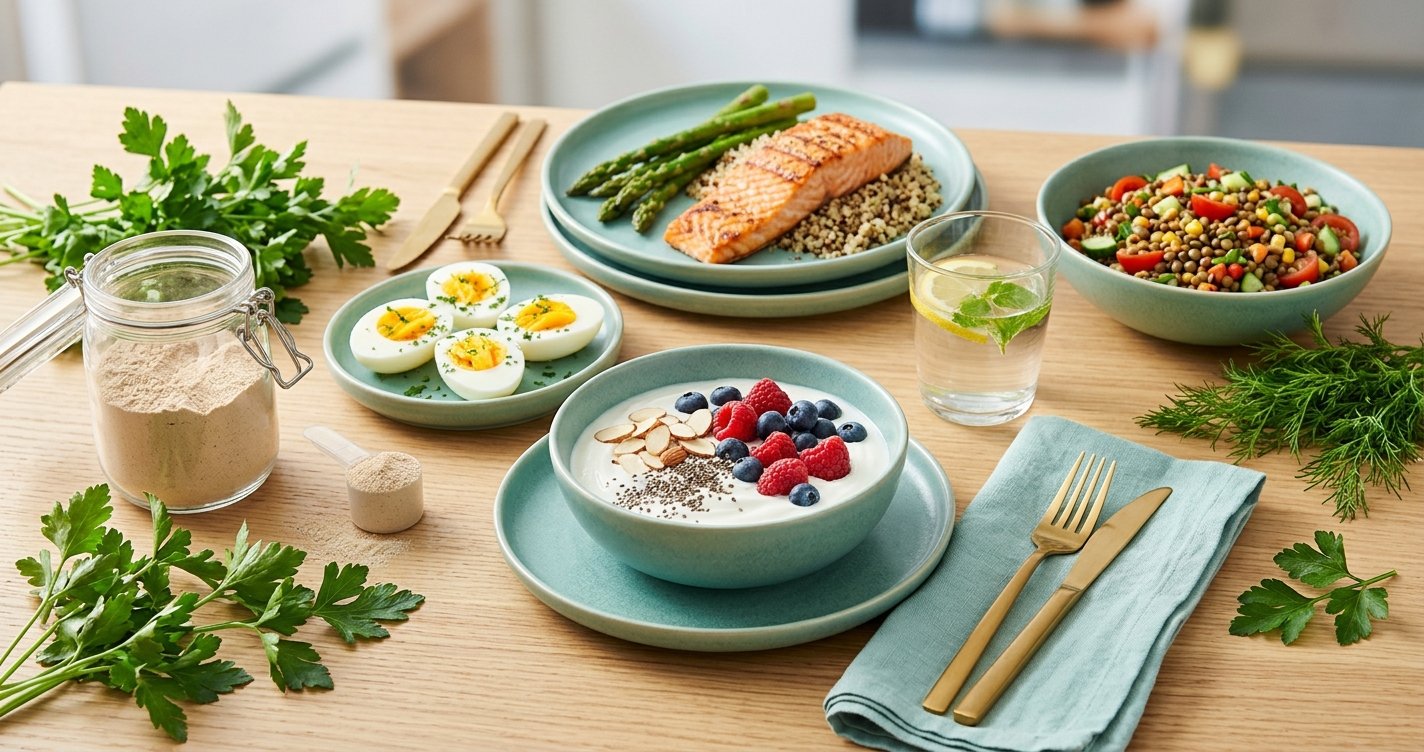
- Breakfast: Instead of just toast or cereal, opt for Greek yogurt with berries, scrambled eggs with spinach, cottage cheese, or a protein smoothie.
- Lunch: Focus on lean protein like grilled chicken breast, tuna, turkey slices, lentils, or a hard-boiled egg salad paired with a generous portion of vegetables and a healthy carb source.
- Dinner: Incorporate lean meats (fish, chicken, lean beef), tofu, tempeh, or beans as the main component, alongside fibrous vegetables and complex carbohydrates.
- Snacks: Ditch the chips and cookies. Reach for protein-packed options like a handful of almonds, a serving of cottage cheese, Greek yogurt, a protein bar, or some jerky.
Don't Forget Plant-Based Power!
If you follow a vegetarian or vegan diet, or simply want to diversify your protein sources, there are abundant plant-based options to help you hit your goals. Combining different plant proteins throughout the day ensures you get all essential amino acids. Excellent sources include:
- Legumes (lentils, black beans, chickpeas, kidney beans)
- Tofu and Tempeh (versatile soy products)
- Edamame
- Quinoa
- Seitan
- Nutritional yeast
- Nuts and seeds (almonds, chia seeds, flax seeds, hemp seeds)
- Protein-fortified plant milks
Common Protein Myths Debunked
Let's clear up some common misconceptions that might be holding you back from embracing protein fully.
"Too Much Protein is Bad for Your Kidneys"
This is a frequently cited concern, but for healthy individuals with normal kidney function, there is no scientific evidence to support that a high-protein diet causes kidney damage. Studies have shown that even very high protein intakes (up to 3.4g/kg/day) are safe for healthy individuals. If you have pre-existing kidney disease, then it's essential to consult your doctor or a registered dietitian for personalized advice.
"Protein Makes You Bulky"
This myth often deters women from increasing their protein intake. Rest assured, consuming more protein will not automatically turn you into a bodybuilder! Building significant muscle mass requires intense strength training, a specific calorie surplus, and often, genetic predispositions. Protein supports lean muscle development and preservation, which contributes to a toned physique, not necessarily a bulky one. Embracing protein helps you sculpt a stronger, healthier body.
"Protein Powder is Unnatural/Unnecessary"
Protein powder is simply a convenient and concentrated source of protein, often derived from milk (whey, casein) or plants (pea, rice, soy). It's not magic, nor is it inherently unnatural. While whole food sources should always be prioritized, protein powder can be an excellent supplement to help you meet your daily protein targets, especially when you're busy, on the go, or finding it challenging to get enough from food alone. Think of it as a helpful tool in your nutritional toolkit.
Putting It All Together: A Day of Protein-Powered Eating (Example)
Here’s what a day focused on high protein for fat loss might look like:
- Breakfast: Greek yogurt (1 cup, ~20g protein) with a handful of berries and a sprinkle of chia seeds.
- Mid-Morning Snack: Hard-boiled egg (~6g protein) or a small handful of almonds.
- Lunch: Large salad with grilled chicken breast (4-5 oz, ~30-35g protein) or chickpeas and lentils, plenty of veggies, and a light vinaigrette.
- Afternoon Snack: Cottage cheese (1/2 cup, ~12g protein) with sliced cucumber.
- Dinner: Baked salmon (5-6 oz, ~35-40g protein) with roasted broccoli and quinoa.
- Evening Snack (optional): Small protein shake (~20-25g protein) if you're still hungry or haven't hit your target.
This sample day easily gets you over 100 grams of protein, showing how manageable it can be with mindful choices.
Conclusion: Embrace Protein for Lasting Fat Loss Success
As you can see, protein is far more than just a muscle-building nutrient. It's a cornerstone of sustainable fat loss, offering unparalleled benefits for satiety, metabolism, and muscle preservation. By making protein a priority in your diet, you're not just aiming for a temporary fix; you're adopting a powerful, evidence-based strategy that supports your body in shedding fat while maintaining energy, satisfaction, and overall health.
Remember, fat loss is a journey, not a destination. It's about making consistent, smart choices that you can stick with long-term. Integrating more protein into your meals and snacks is one of the most impactful changes you can make. Start small, experiment with different protein sources, and listen to your body. You'll soon discover the incredible difference this powerful nutrient can make in helping you achieve your fat loss goals and maintain a vibrant, healthy lifestyle. You've got this!