Unlock Sustainable Fat Loss: The Essential Power of Protein for a Leaner You
Embarking on a fat loss journey can feel like navigating a complex maze, filled with conflicting advice and temporary fixes. But what if we told you there's one powerful macronutrient that stands out, not just for its ability to help you shed pounds, but to do so sustainably, keeping you feeling full, energized, and preserving your hard-earned muscle? That hero is protein.
Forget the endless hours of cardio or restrictive diets that leave you feeling deprived. This post will delve into the evidence-based reasons why prioritizing protein is a game-changer for anyone serious about lasting fat loss. We’ll explore how protein impacts your hunger, metabolism, and body composition, offering practical, friendly advice to help you integrate this powerhouse nutrient into your daily life. this excellent wellness product
Why Protein Reigns Supreme for Fat Loss
Protein isn't just for bodybuilders; it's a fundamental building block for every cell in your body and a crucial ally in your fat loss efforts. Its unique properties make it stand head and shoulders above carbohydrates and fats when it comes to weight management. Let's break down the science:
- Satiety: Protein keeps you feeling fuller for longer, naturally reducing your overall calorie intake.
- Thermic Effect: Your body expends more energy digesting protein than it does carbs or fats.
- Muscle Preservation: Adequate protein intake helps you hold onto valuable muscle mass, especially important during a calorie deficit.
The Satiety Secret: Feeling Full, Eating Less
One of the biggest challenges in any fat loss journey is battling hunger. Cravings and a constant feeling of emptiness can derail even the most determined efforts. This is where protein truly shines. Protein has a remarkable ability to increase satiety, meaning it makes you feel fuller and more satisfied than equal amounts of carbohydrates or fats.
How does it work? When you consume protein, it triggers the release of specific hormones in your gut, such as GLP-1 and PYY, which signal to your brain that you're full. Simultaneously, it helps suppress ghrelin, the 'hunger hormone.' This powerful hormonal interplay means you're less likely to overeat at subsequent meals or snack unnecessarily, leading to a natural reduction in calorie intake without feeling deprived. Imagine enjoying your meals and feeling genuinely satisfied, rather than constantly thinking about your next bite – that's the power of protein!
Boost Your Metabolism: The Thermic Effect of Food (TEF)
Every time you eat, your body uses energy to digest, absorb, and metabolize the nutrients from your food. This process is known as the Thermic Effect of Food (TEF). While all macronutrients contribute to TEF, protein stands out significantly. Protein has a TEF of about 20-30%, meaning 20-30% of the calories you consume from protein are burned off just in the process of digestion. Compare this to carbohydrates (5-10%) and fats (0-3%), and you can see why protein is a metabolic booster.
By consuming more protein, you're essentially giving your metabolism a little extra kick throughout the day. While it might not seem like a huge amount per meal, these small increases in energy expenditure add up over time, contributing to a more significant calorie deficit and accelerating your fat loss progress. It's like having a tiny, internal furnace working harder for you!
Preserve Muscle, Burn Fat: The Key to a Lean Physique
When you're in a calorie deficit to lose fat, your body doesn't always discriminate. It can sometimes break down muscle tissue for energy, especially if you're not consuming enough protein. Losing muscle is detrimental to your fat loss goals because muscle is metabolically active – it burns more calories at rest than fat does. If you lose muscle, your resting metabolism slows down, making it harder to sustain fat loss in the long run.
This is where protein becomes your muscle-preserving superhero. Adequate protein intake provides the amino acids necessary to repair and build muscle, signaling to your body to hold onto that precious lean mass even when calories are restricted. Combine this with resistance training, and you create an optimal environment for preserving muscle while primarily burning fat for energy. The result? A leaner, more toned physique and a more efficient metabolism that makes maintaining your results much easier.
How Much Protein Do You Really Need? Practical Guidelines
The optimal protein intake can vary based on factors like your activity level, age, and fat loss goals. However, general recommendations for fat loss typically suggest a higher intake than the standard dietary reference intake.
- For most active individuals aiming for fat loss: A good starting point is around 1.6 to 2.2 grams of protein per kilogram of body weight (or 0.7 to 1 gram per pound of body weight) per day.
- Example: If you weigh 70 kg (about 154 lbs), you'd aim for roughly 112 to 154 grams of protein daily.
- Spread it out: Try to distribute your protein intake evenly across your meals (e.g., 25-40 grams per meal) to maximize muscle protein synthesis and satiety throughout the day.
Remember, these are guidelines. Listen to your body and adjust as needed. If you're unsure, consulting with a registered dietitian or nutritionist can provide personalized advice.
Smart Protein Sources: Fueling Your Journey Deliciously
Integrating more protein into your diet doesn't have to be bland or boring. There's a vast array of delicious and nutritious protein sources available:
- Animal Sources:
- Lean Meats: Chicken breast, turkey, lean beef, pork loin
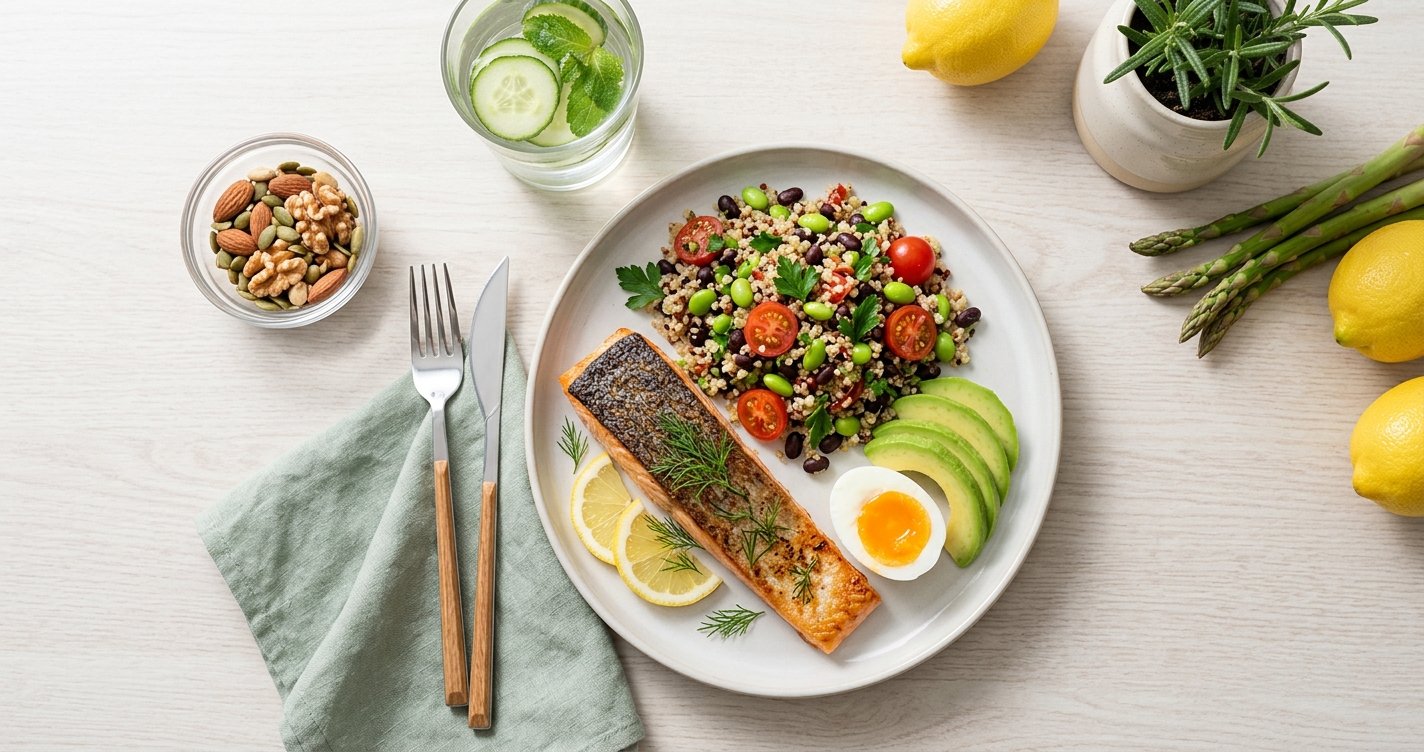
- Fish & Seafood: Salmon, tuna, cod, shrimp (rich in omega-3s too!)
- Eggs: A complete protein powerhouse, versatile for any meal
- Dairy: Greek yogurt, cottage cheese, milk, whey protein (great for snacks or post-workout)
- Plant-Based Sources:
- Legumes: Lentils, chickpeas, black beans (also high in fiber!)
- Tofu & Tempeh: Versatile soy products that absorb flavors well
- Quinoa: A complete plant-based protein
- Nuts & Seeds: Almonds, peanuts, chia seeds, flax seeds (good for snacks, but calorie-dense)
- Edamame: Delicious and easy to prepare
- Plant-based protein powders: Pea, rice, hemp protein (convenient for shakes)
Aim for a variety of sources to ensure you get a full spectrum of amino acids and other essential nutrients.
Integrating Protein into Your Daily Life: Tips and Tricks
Making protein a priority doesn't require a complete overhaul of your diet. Small, consistent changes can make a big difference:
- Start Your Day Strong: Incorporate protein into breakfast. Think scrambled eggs, Greek yogurt with berries, a protein smoothie, or cottage cheese. This sets you up for sustained energy and satiety.
- Protein at Every Meal: Aim to include a lean protein source in all your main meals. A palm-sized portion is a good visual guide.
- Smart Snacking: Instead of sugary or carb-heavy snacks, opt for protein-rich options like a handful of almonds, a hard-boiled egg, a small container of Greek yogurt, or a slice of turkey.
- Meal Prep for Success: Cook larger batches of protein (chicken, lentils, ground turkey) at the beginning of the week to easily add to salads, wraps, or stir-fries.
- Don't Fear Supplements (Wisely): If you struggle to meet your protein needs through whole foods alone, a high-quality protein powder can be a convenient supplement, especially post-workout or for busy mornings.
- Hydrate: While not directly protein, staying well-hydrated is crucial for overall metabolism and can sometimes be mistaken for hunger.
Embrace the Power of Protein for Lasting Change
The journey to sustainable fat loss is not about quick fixes or extreme measures; it's about building healthy, empowering habits. Prioritizing protein in your diet is one of the most effective, evidence-based strategies you can adopt. It helps you feel fuller, boosts your metabolism, and protects your precious muscle mass, all while making your fat loss journey more manageable and enjoyable.
So, take a deep breath, and start making protein your best friend on this path. Experiment with new recipes, find your favorite protein sources, and enjoy the feeling of being fueled, satisfied, and energized as you build a leaner, healthier you. Your body (and your results!) will thank you for it.