Unlock Sustainable Fat Loss: The Unbeatable Power of Protein
Are you tired of the endless cycle of restrictive diets, intense hunger, and frustrating weight plateaus on your fat loss journey? Many people struggle to shed unwanted fat and keep it off, often falling into the trap of quick fixes that promise rapid results but deliver unsustainable outcomes. What if there was a simple, science-backed nutritional strategy that could not only boost your fat loss efforts but also make the process feel easier, more satisfying, and truly sustainable?
Enter protein – the mighty macronutrient often associated with bodybuilders, but truly a game-changer for anyone aiming for effective and lasting fat loss. Far beyond just building muscle, protein plays a crucial role in managing hunger, boosting metabolism, and preserving lean mass, making it your ultimate ally in achieving a healthier, leaner you. Let's dive into the evidence-based reasons why protein is so powerful and how you can harness its benefits for your own sustainable fat loss success. this excellent wellness product
Why Protein is Your Best Friend for Fat Loss
When it comes to fat loss, creating a calorie deficit is key. But how you achieve that deficit, and how you feel while doing it, makes all the difference. Protein excels in making a calorie deficit more manageable and effective. Here's how:
The Satiety Factor: Feeling Full, Longer
One of the biggest hurdles in fat loss is battling hunger and cravings. Protein is renowned for its incredible ability to promote satiety – the feeling of fullness and satisfaction after a meal. This isn't just anecdotal; it's backed by science.
- Hormonal Impact: Protein has a significant impact on hunger-regulating hormones. It helps suppress ghrelin (the 'hunger hormone') and stimulates the release of hormones like peptide YY (PYY) and cholecystokinin (CCK), which signal fullness to your brain.
- Reduced Snacking: When you feel full and satisfied, you're less likely to reach for unhealthy snacks between meals, naturally reducing your overall calorie intake without feeling deprived.
Numerous studies have shown that increasing protein intake can lead to a spontaneous reduction in calorie consumption, making it easier to stick to your fat loss goals.
Boosting Your Metabolism: The Thermic Effect of Food (TEF)
Did you know that your body burns calories just to digest and process the food you eat? This is known as the Thermic Effect of Food (TEF), and protein has the highest TEF of all macronutrients.
- Higher Calorie Burn: Approximately 20-30% of the calories from protein are burned during digestion and absorption, compared to 5-10% for carbohydrates and just 0-3% for fats.
- Metabolic Advantage: This means that by consuming more protein, you're passively burning more calories throughout the day, giving your metabolism a slight but consistent boost. Over time, this small advantage can significantly contribute to your fat loss efforts.
Preserving Muscle, Burning Fat: The Lean Mass Advantage
When you're in a calorie deficit, your body doesn't just burn fat; it can also start breaking down muscle for energy. This is problematic because muscle tissue is metabolically active, meaning it burns more calories at rest than fat tissue. Losing muscle can slow down your metabolism, making it harder to lose fat in the long run and easier to regain weight.
This is where protein shines:
- Muscle Preservation: Adequate protein intake provides the necessary amino acids to help your body repair and build muscle, even when you're eating fewer calories. This helps you preserve your precious lean muscle mass.
- Improved Body Composition: By maintaining muscle while losing fat, you'll not only look leaner and more toned but also sustain a higher resting metabolic rate, making long-term fat loss and weight maintenance much more achievable. Combine protein with strength training, and you have an unbeatable duo for body recomposition!
How Much Protein Do You Really Need for Fat Loss?
While the Recommended Dietary Allowance (RDA) for protein is 0.8 grams per kilogram (g/kg) of body weight for the general population, this is often considered the minimum to prevent deficiency, not necessarily optimal for fat loss or muscle building.
For individuals actively pursuing fat loss, especially those engaging in regular exercise, a higher protein intake is generally recommended:
- General Guideline: Aim for 1.6 to 2.2 grams of protein per kilogram of body weight (or approximately 0.7 to 1 gram per pound of body weight) per day.
- Active Individuals: If you're very active or doing intense strength training, you might even benefit from slightly higher amounts, up to 2.5 g/kg.
- Spread It Out: Instead of consuming all your protein in one meal, try to spread your intake evenly throughout the day. Aim for 20-40 grams of protein per meal and snack to maximize muscle protein synthesis and satiety.
Remember, these are guidelines. It's always a good idea to consult with a healthcare professional or registered dietitian to determine the best protein intake for your specific needs and health goals.
Practical Strategies to Boost Your Protein Intake
Integrating more protein into your diet doesn't have to be complicated or boring. Here are some practical tips:
Smart Meal Planning & Snacking
- Breakfast Power-Up: Start your day with protein. Think eggs, Greek yogurt, cottage cheese, protein smoothies, or lean breakfast sausage.
- Lunch & Dinner Focus: Build your main meals around a lean protein source. Chicken breast, turkey, lean beef, fish (salmon, tuna, cod), tofu, tempeh, lentils, and beans are excellent choices.
- Protein-Packed Snacks: Instead of chips or sugary treats, opt for protein-rich snacks like a handful of almonds, a hard-boiled egg, a small container of Greek yogurt, a piece of string cheese, or a protein bar (check for low sugar).
Incorporating Diverse Protein Sources
Variety is key for both nutrition and enjoyment. Don't limit yourself to just chicken breast!
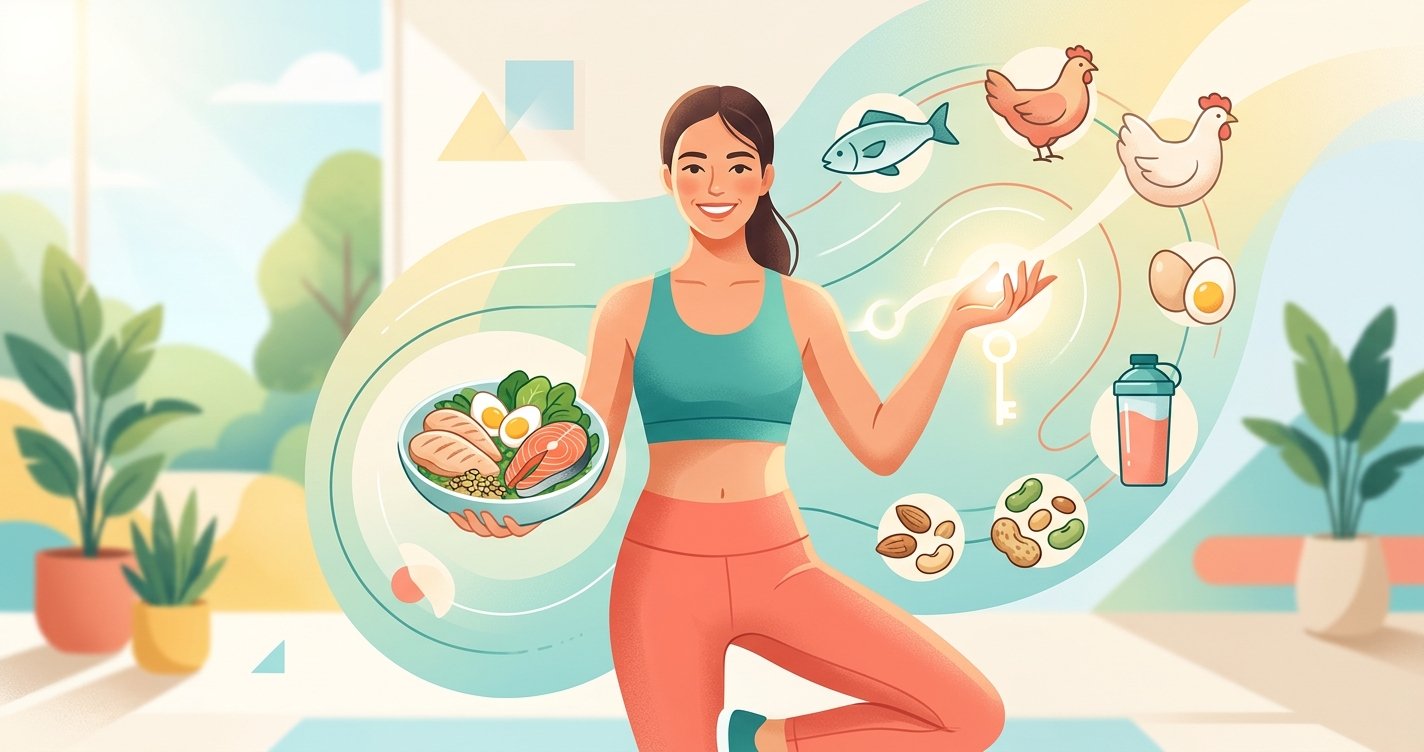
- Animal-Based Proteins: Lean meats (chicken, turkey, lean beef, pork), fish and seafood (salmon, tuna, shrimp, cod), eggs, dairy (milk, Greek yogurt, cottage cheese, cheese).
- Plant-Based Proteins: Lentils, beans (black beans, chickpeas, kidney beans), tofu, tempeh, edamame, quinoa, nuts, seeds, and certain protein-rich grains.
Get creative! Add beans to your salads, throw chicken into your pasta, blend protein powder into your oatmeal, or snack on edamame.
When to Consider Supplements
While whole foods should always be your primary source of protein, supplements can be a convenient and effective way to meet your daily protein targets, especially if you have a busy lifestyle or higher protein needs.
- Protein Powders: Whey, casein, soy, pea, and other plant-based protein powders can be easily mixed into shakes, smoothies, or even oatmeal.
- Protein Bars: Choose bars that are high in protein and fiber, and low in added sugars.
Remember, supplements are meant to supplement your diet, not replace whole, nutritious foods.
Beyond Protein: A Holistic Approach to Sustainable Fat Loss
While protein is an incredibly powerful tool, it's important to remember that it's part of a larger picture. Sustainable fat loss is achieved through a holistic approach that includes:
- Calorie Awareness: Protein helps manage your calorie deficit, but understanding your overall energy intake is still fundamental.
- Strength Training: Pairing a high-protein diet with resistance training is the ultimate strategy for preserving muscle and optimizing fat loss.
- Adequate Sleep: Poor sleep can disrupt hormones that regulate hunger and metabolism, making fat loss harder.
- Stress Management: Chronic stress can lead to increased cortisol levels, which can hinder fat loss and promote belly fat storage.
- Hydration: Drinking enough water supports metabolism and can help with satiety.
By integrating protein strategically into a balanced diet and healthy lifestyle, you're not just aiming for temporary weight loss; you're building habits that foster long-term health, vitality, and a body composition you feel great about.
Conclusion: Embrace the Power of Protein for Lasting Results
Gone are the days of believing fat loss has to be a grueling, unsatisfying battle against hunger. By understanding and embracing the power of protein, you can transform your approach to fat loss, making it more effective, enjoyable, and most importantly, sustainable.
Protein helps you feel full and satisfied, boosts your metabolism through its thermic effect, and protects your precious muscle mass, ensuring that the weight you lose is primarily fat. It's not just a nutrient; it's a strategic ally in your quest for a healthier, leaner body.
So, take the first step today. Start incorporating more high-quality protein into every meal and snack. Experiment with diverse sources, plan your meals wisely, and watch as your body transforms, your energy levels soar, and your fat loss journey becomes a path of empowering, lasting success. You've got this!