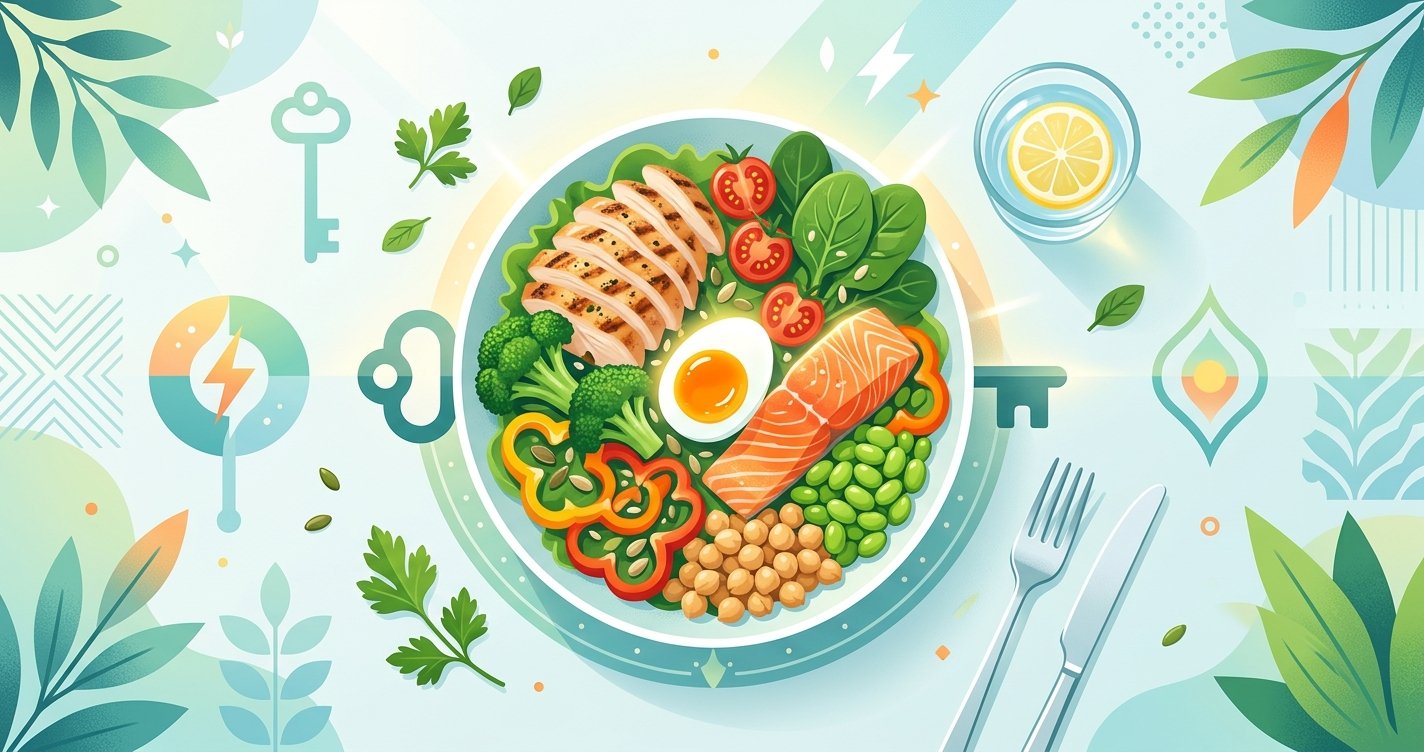
Unlock Sustainable Fat Loss: The Unbeatable Power of Protein
Tired of yo-yo diets and fleeting results? Discover how prioritizing protein can be your secret weapon for lasting fat loss, a healthier metabolism, and a more vibrant you. It's time to build a stronger foundation for your health!
Why Protein is Your Fat Loss MVP (Most Valuable Player)
In the vast world of nutrition, protein often gets touted for muscle building, but its role in fat loss is equally, if not more, crucial. Think of protein as your Most Valuable Player in the game of shedding unwanted fat. Here's why: this excellent wellness product
1. The Satiety Superstar: Keeping Cravings at Bay
One of protein's most impressive superpowers is its ability to keep you feeling fuller for longer. Ever notice how a sugary snack leaves you hungry an hour later, while a meal with lean chicken or lentils keeps you satisfied for hours? That’s protein at work! It helps regulate hunger hormones like ghrelin (the 'I'm hungry' hormone) and GLP-1 (which signals fullness), leading to reduced overall calorie intake without feeling deprived. This means fewer mindless snacks and a more controlled appetite, making it easier to stick to your fat loss goals.
2. The Metabolic Booster: Your Body’s Internal Furnace
Digesting and metabolizing food requires energy, and protein demands the most! This is known as the Thermic Effect of Food (TEF). While carbohydrates have a TEF of 5-10% and fats 0-3%, protein boasts an impressive 20-30%. This means for every 100 calories of protein you consume, your body burns 20-30 calories just to process it. Incorporating more protein into your diet effectively gives your metabolism a gentle, continuous boost throughout the day.
3. Muscle Protector: Safeguarding Your Fat-Burning Engine
When you restrict calories to lose weight, your body doesn't always distinguish between fat and muscle. Without sufficient protein, you risk losing valuable lean muscle mass alongside fat. Why is this bad? Because muscle is metabolically active – it burns more calories at rest than fat does. By consuming adequate protein, especially when combined with strength training, you help preserve and even build lean muscle, ensuring your metabolism stays revved up and that the weight you lose is primarily fat, not precious muscle.
The Science Behind Protein's Power: Deeper Dive
Beyond the immediate benefits, protein works on a deeper physiological level to support your fat loss journey:
- Stable Blood Sugar: Unlike simple carbohydrates that can cause rapid spikes and crashes in blood sugar, protein helps stabilize glucose levels. This prevents those energy slumps and intense cravings that often lead to poor food choices.
- Amino Acid Power: Protein is made up of amino acids, the building blocks of virtually everything in your body, including hormones and enzymes crucial for fat metabolism. A consistent supply ensures your body has what it needs to function optimally.
- Reduced Fat Storage: While all macronutrients can be stored as fat if consumed in excess, protein is less likely to be converted into body fat compared to carbohydrates or fats, especially when total calories are controlled.
How Much Protein Do You Really Need for Fat Loss?
The optimal protein intake can vary based on factors like age, activity level, and specific goals. However, for active individuals aiming for fat loss, current research suggests a higher intake than the standard recommended daily allowance.
A good starting point is to aim for 0.7 to 1.0 gram of protein per pound of your target body weight (or 1.6 to 2.2 grams per kilogram). For example, if you weigh 150 pounds and your target weight is 130 pounds, you might aim for 91-130 grams of protein daily. Spreading this intake throughout the day, rather than consuming it all in one meal, is more effective for satiety and muscle protein synthesis.
Remember, these are general guidelines. If you have any specific health conditions, it's always wise to consult with a healthcare professional or a registered dietitian.
Delicious & Diverse: Top Protein Sources
Variety is the spice of life, and it's also key to getting a full spectrum of amino acids and micronutrients. Here are some excellent sources of protein to incorporate into your diet:
Animal-Based Protein Sources:
- Lean Meats: Chicken breast, turkey, lean cuts of beef (sirloin, round), pork loin.
- Fish & Seafood: Salmon, tuna, cod, shrimp, scallops (rich in omega-3s too!).
- Eggs: Whole eggs are incredibly versatile and nutrient-dense.
- Dairy: Greek yogurt, cottage cheese, milk, kefir (opt for low-fat or fat-free versions if strictly managing calories).
Plant-Based Protein Sources:
- Legumes: Lentils, chickpeas, black beans, kidney beans.
- Soy Products: Tofu, tempeh, edamame.
- Grains: Quinoa, oats, buckwheat.
- Nuts & Seeds: Almonds, peanuts, chia seeds, flax seeds, pumpkin seeds (also provide healthy fats).
- Protein Powders: Pea protein, soy protein, hemp protein, rice protein (great for convenience or boosting intake).
Smart Strategies for Boosting Your Protein Intake
Integrating more protein into your daily routine doesn't have to be complicated. Here are some practical, friendly tips:
- Start Strong with Breakfast: Ditch the sugary cereal and opt for eggs, Greek yogurt with berries, or a protein smoothie.
- Prioritize Protein at Every Meal: Make protein the first thing you consider when building your plate.
- Smart Snacking: Instead of chips or cookies, reach for a handful of almonds, a hard-boiled egg, cottage cheese, or a protein bar.
- Meal Prep Like a Pro: Cook larger batches of lean protein (chicken, fish, lentils) at the beginning of the week to easily add to meals.
- Don't Be Afraid of Frozen: Frozen edamame or shrimp are quick, easy protein additions to stir-fries or salads.
- Utilize Protein Powder: A scoop of protein powder in water, milk, or a smoothie is a convenient way to meet your targets, especially post-workout.
Dispelling Protein Myths & Common Concerns
It's natural to have questions, and misinformation abounds. Let's clear up a few common protein myths:
- "Too much protein damages kidneys": For healthy individuals with no pre-existing kidney conditions, a high-protein diet is generally safe and does not cause kidney damage. However, if you have a kidney disease, consult your doctor or a dietitian before increasing protein intake.
- "Protein makes you bulky": This is a common concern, especially among women. Eating protein alone will not make you 'bulky'. Building significant muscle mass requires intense strength training and a caloric surplus. Protein simply supports lean muscle development, which is beneficial for metabolism and body composition.
- "High protein is too expensive": While some sources can be pricey, many excellent protein sources are budget-friendly. Eggs, canned tuna, dried beans and lentils, and frozen chicken breasts are all affordable options.
Beyond the Plate: Protein as Part of a Holistic Approach
While protein is a powerful ally, remember it's one piece of a larger puzzle. For truly sustainable fat loss and overall well-being, integrate your increased protein intake with other healthy habits:
- Strength Training: This is protein's best friend! Lifting weights signals your body to build and retain muscle, maximizing protein's benefits.
- Adequate Sleep: Poor sleep can disrupt hunger hormones and increase cravings. Aim for 7-9 hours of quality sleep.
- Stress Management: Chronic stress can elevate cortisol, potentially hindering fat loss. Find healthy ways to manage stress.
- Hydration: Drink plenty of water throughout the day. Sometimes thirst is mistaken for hunger.
- Balanced Diet: Don't forget your fruits, vegetables, whole grains, and healthy fats. Protein works best when part of a nutrient-rich, balanced diet.