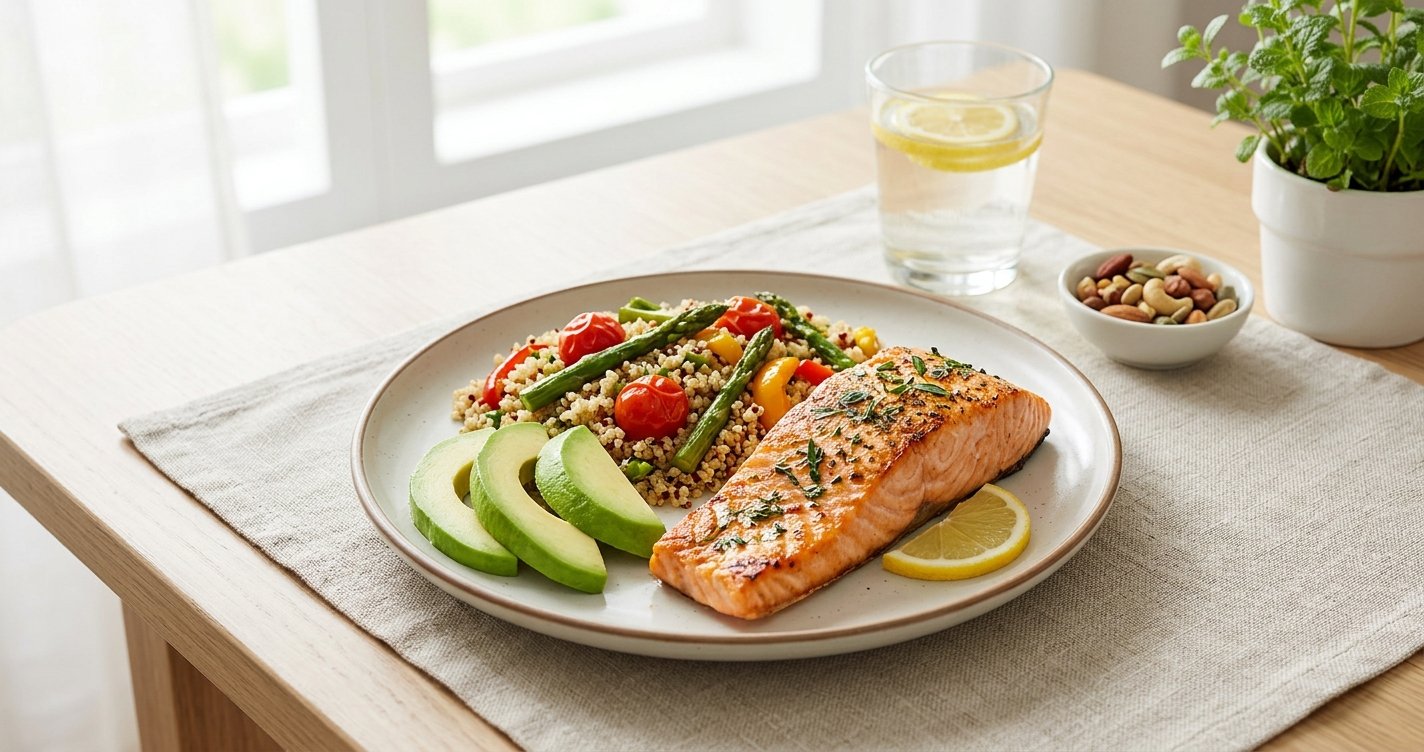
Have you ever felt caught in the endless cycle of restrictive diets, only to see the numbers on the scale yo-yo back up? You're not alone. Many people struggle with sustainable fat loss because they focus on deprivation rather than strategic nourishment. What if we told you there's a powerful, often underestimated nutrient that can revolutionize your approach to shedding unwanted fat, keeping you full, preserving your hard-earned muscle, and boosting your metabolism? Enter: protein.
Forget the fads and unsustainable quick fixes. This isn't about bland chicken breasts at every meal, but rather understanding how to strategically incorporate this mighty macronutrient into your daily life to make your fat loss journey more effective, enjoyable, and most importantly, sustainable. Let's dive into the evidence-based reasons why protein is your ultimate ally in achieving lasting results, without feeling starved or deprived. this excellent wellness product
Why Protein is Your Best Friend for Sustainable Fat Loss
Protein isn't just for bodybuilders; it's a critical component for anyone looking to optimize their body composition. Its unique properties make it incredibly effective for fat loss, working on several fronts to help you reach your goals.
The Satiety Superstar: Feeling Full, Longer
One of the biggest challenges in a calorie deficit is managing hunger. This is where protein shines! Protein is the most satiating of the three macronutrients (protein, carbs, fat). When you consume protein, it triggers the release of hormones like GLP-1 and PYY, which signal fullness to your brain. This means you’ll feel more satisfied after meals, reduce cravings, and be less likely to snack mindlessly throughout the day. Studies consistently show that increasing protein intake leads to reduced overall calorie consumption naturally, without consciously counting every bite.
Metabolism Booster: The Thermic Effect of Food (TEF)
Did you know your body burns calories just to digest and process the food you eat? This is known as the Thermic Effect of Food (TEF), and protein has the highest TEF compared to carbohydrates and fats. Approximately 20-30% of the calories from protein are burned during digestion, compared to 5-10% for carbs and 0-3% for fats. This means that by prioritizing protein, you're effectively giving your metabolism a small, continuous boost throughout the day – an effortless advantage in your fat loss efforts.
Muscle Matters: Preserving Lean Mass During a Calorie Deficit
When you're trying to lose weight, you want to lose fat, not muscle. Unfortunately, during a calorie deficit, your body can sometimes break down muscle tissue for energy. This is problematic because muscle is metabolically active, meaning it burns more calories at rest than fat tissue. A higher protein intake, especially when combined with resistance training, helps to signal your body to preserve precious muscle mass. This ensures that a greater percentage of the weight you lose is fat, and your resting metabolism stays as high as possible, making it easier to maintain your results in the long run.
How Much Protein Do You Really Need?
So, you're convinced protein is powerful, but how much is enough? While individual needs vary based on activity level, age, and goals, general recommendations for fat loss typically fall higher than the standard dietary allowance.
- For most active individuals aiming for fat loss: A good starting point is around 1.6 to 2.2 grams of protein per kilogram of body weight per day (or roughly 0.7 to 1.0 grams per pound of body weight).
- Example: If you weigh 70 kg (about 154 lbs), you'd aim for roughly 112-154 grams of protein daily.
Spreading your protein intake throughout the day (e.g., 20-40 grams per meal) is generally more effective for muscle protein synthesis and satiety than consuming one huge protein meal.
Smart Ways to Boost Your Protein Intake
Incorporating more protein into your diet doesn't have to be complicated or boring. Here are some practical, delicious strategies:
Breakfast Power-Up
- Add Greek yogurt, cottage cheese, or a scoop of protein powder to your morning routine.
- Scrambled eggs with a side of lean ham or turkey bacon.
- Smoothies blended with protein powder, spinach, and berries.
Lunch & Dinner Heroes
- Lean meats like chicken breast, turkey, fish, or lean beef.
- Legumes such as lentils, chickpeas, and black beans are great plant-based options.
- Tofu or tempeh in stir-fries and salads.
- Add a hard-boiled egg or two to your salad for an extra protein punch.
Snack Smart: Protein-Packed Choices
- A handful of almonds or walnuts.
- String cheese or a cheese stick.
- Edamame.
- A small container of Greek yogurt.
- Protein bars (check sugar content!).
- Jerky (low sugar varieties).
Dispelling Protein Myths & Common Concerns
You might have heard some myths about high protein diets. Let's set the record straight:
"Too Much Protein is Bad for Your Kidneys."
For healthy individuals with normal kidney function, there is no scientific evidence to support that a high protein intake (even up to 2.2 g/kg) causes kidney damage. In fact, some research suggests it may even be beneficial. However, if you have pre-existing kidney disease, it's crucial to consult your doctor or a registered dietitian before making significant dietary changes.
Variety is Key
While protein is fantastic, don't rely on just one source. Aim for a variety of lean animal proteins, plant-based proteins, and dairy to ensure you're getting a full spectrum of amino acids and other essential nutrients.
Integrating Protein into a Holistic Fat Loss Strategy
While protein is a powerful tool, remember it’s part of a larger puzzle. For optimal and sustainable fat loss, combine your increased protein intake with:
- Resistance Training: Lifting weights helps build and preserve muscle, further boosting your metabolism and shaping your body.
- Adequate Sleep: Poor sleep can disrupt hormones that regulate hunger and satiety, making fat loss harder.
- Hydration: Drinking enough water supports all bodily functions, including metabolism, and can help manage hunger.
- Mindful Eating: Pay attention to your body's hunger and fullness cues.
- Fiber-Rich Foods: Pair protein with plenty of fruits, vegetables, and whole grains for added satiety and essential nutrients.
Embrace the Power of Protein for Lasting Results
Shifting your focus from restrictive eating to strategic nourishment, with protein as a cornerstone, can be a game-changer for your fat loss journey. By harnessing its power to boost satiety, fire up your metabolism, and protect your muscle, you're setting yourself up for success that goes beyond the scale. You'll feel stronger, more energized, and more in control of your health.
Start small, make gradual changes, and listen to your body. Embrace protein as your ally, and discover a path to sustainable fat loss that feels empowering, not depriving. Your body will thank you!