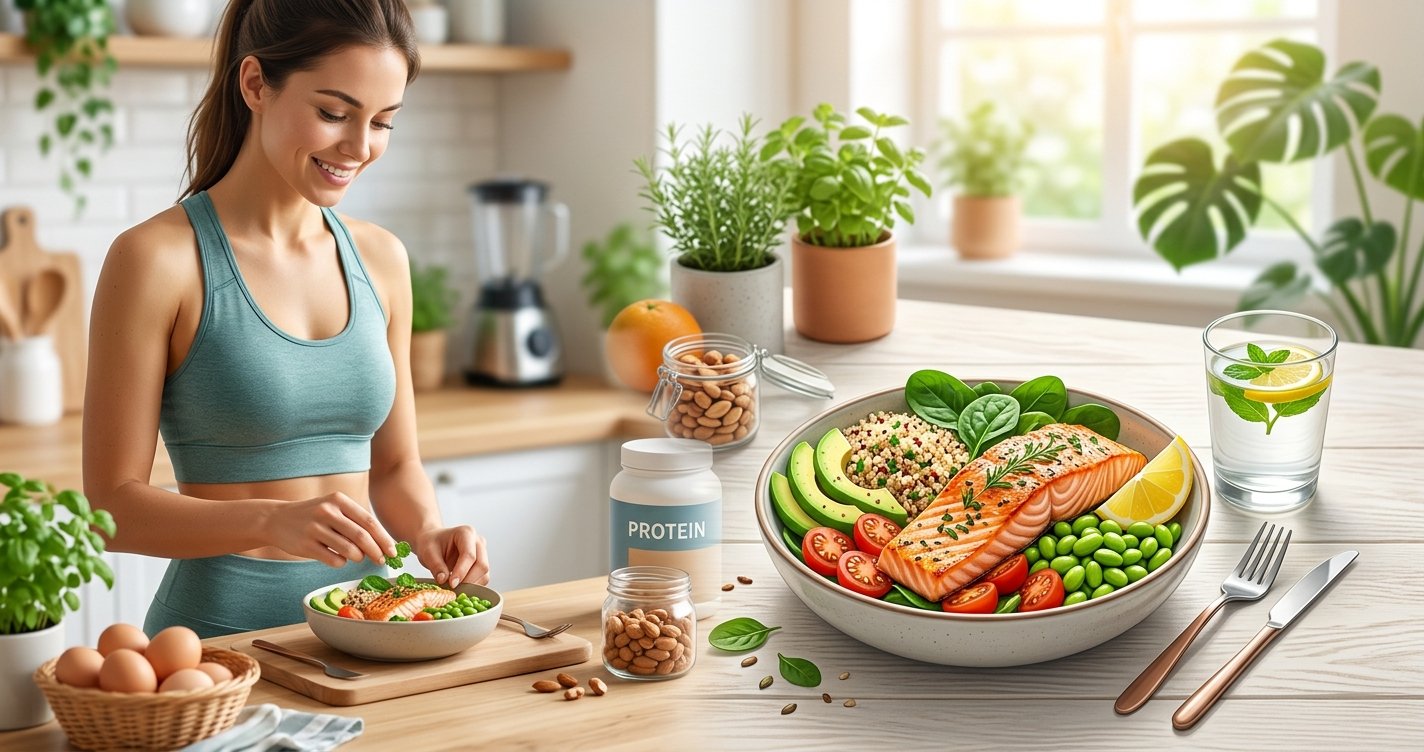
Unlock Sustainable Fat Loss: The Unbeatable Power of Protein
Hey there, future leaner, stronger you! If you’ve ever felt stuck on your fat loss journey, wondering if there’s a secret ingredient you’re missing, you’re in the right place. Forget restrictive diets and endless cardio for a moment. Today, we’re diving deep into the not-so-secret, incredibly powerful, and often underestimated hero of sustainable fat loss: protein.
You've probably heard that protein is important, but do you truly understand why it’s a game-changer for shedding fat and maintaining a healthy body long-term? It's more than just for bodybuilders! Science consistently shows that adequate protein intake is one of the most effective strategies for fat loss, muscle preservation, and overall metabolic health. And don't worry, we're going to break down the evidence in a friendly, encouraging way, giving you actionable steps to harness its power. this excellent wellness product
Why Protein is Your Fat Loss MVP (Most Valuable Player)
When it comes to losing fat, many people focus solely on cutting calories. While a calorie deficit is essential, how you achieve that deficit, and what those calories are made of, makes a world of difference. Protein brings a unique set of benefits to the table that no other macronutrient can match.
The Thermic Effect of Food (TEF): Burn More Calories Just By Eating!
Did you know that your body expends energy just to digest, absorb, and metabolize the food you eat? This is called the Thermic Effect of Food (TEF), and protein has the highest TEF of all macronutrients. Approximately 20-30% of the calories you consume from protein are burned off during digestion, compared to 5-10% for carbohydrates and 0-3% for fats. This means if you eat 100 calories of protein, your body uses 20-30 of those calories just to process it! Over the course of a day, these extra calories burned can add up, giving you a metabolic advantage in your fat loss efforts.
Satiety Superpower: Feeling Fuller, Longer
One of the biggest challenges in fat loss is battling hunger and cravings. This is where protein truly shines. Protein is incredibly satiating, meaning it keeps you feeling full and satisfied for longer periods compared to carbs or fats. This is due to its impact on various hunger-regulating hormones like ghrelin (the hunger hormone) and GLP-1 (a satiety hormone). By incorporating sufficient protein into your meals, you're less likely to snack mindlessly or overeat at your next meal, making it much easier to stick to your calorie goals without feeling deprived.
Muscle Preservation: The Key to a Revved-Up Metabolism
When you're in a calorie deficit, your body doesn't just burn fat; it can also break down muscle tissue for energy. Losing muscle is detrimental to fat loss because muscle is metabolically active – it burns more calories at rest than fat does. A higher muscle mass means a higher resting metabolic rate (RMR), which is the number of calories your body burns just to keep you alive. Adequate protein intake, especially when combined with strength training, helps signal your body to preserve precious muscle mass, ensuring that the weight you lose is primarily fat, not muscle. This keeps your metabolism humming along, making fat loss more effective and sustainable.
How Much Protein Do You Actually Need for Fat Loss?
This is a common question, and while individual needs vary, there are evidence-based guidelines that can help. For active individuals aiming for fat loss, research generally suggests a protein intake higher than the standard dietary reference intake (DRI).
- General Guideline: Aim for approximately 0.7 to 1.0 grams of protein per pound of your target body weight (or current lean body mass).
- Metric Conversion: This translates to roughly 1.6 to 2.2 grams of protein per kilogram of body weight.
For example, if you weigh 150 pounds and are aiming for fat loss, you'd be looking at a range of 105 to 150 grams of protein per day. This might seem like a lot initially, but by strategically distributing it throughout your day, it's very achievable. Don't worry about hitting an exact number; focus on consistently getting more protein than you currently are, especially if your intake is low.
Smart Strategies to Boost Your Protein Intake
Now that you know why protein is so vital, let’s talk about how to easily incorporate more of it into your daily routine. It's simpler than you think!
Prioritize Protein at Every Meal
Instead of thinking of protein as an add-on, make it the centerpiece of your meals. Start with your protein source, then build the rest of your plate around it with plenty of vegetables and healthy carbohydrates. Aim for 20-40 grams of protein at each main meal (breakfast, lunch, dinner) and include protein in your snacks.
Lean Protein Sources: Beyond Just Chicken Breast
Variety is the spice of life, and it's also key for getting a wide range of nutrients. While chicken breast is a fantastic lean protein, explore other options:
- Poultry: Turkey breast, ground turkey
- Fish & Seafood: Salmon, cod, tuna, shrimp, scallops
- Lean Meats: Lean cuts of beef (sirloin, round), pork loin
- Eggs: Whole eggs or egg whites
- Dairy: Greek yogurt, cottage cheese, milk, cheese (in moderation)
Don't Forget Plant-Based Powerhouses
You don't need to eat meat to get enough protein. Plant-based sources are abundant and offer additional fiber and nutrients:
- Legumes: Lentils, black beans, chickpeas, kidney beans
- Soy Products: Tofu, tempeh, edamame
- Grains: Quinoa, oats (contain some protein)
- Nuts & Seeds: Almonds, peanuts, chia seeds, flax seeds (also good fats!)
- Seitan: A wheat-based protein source, very high in protein
Protein Supplements: A Convenient Ally (But Not a Magic Bullet)
Protein powders (like whey, casein, or plant-based options) can be incredibly convenient for boosting your intake, especially if you're on the go or struggling to hit your targets through whole foods alone. They're great for smoothies, post-workout shakes, or as a quick snack. Remember, they are supplements, meaning they should complement a diet rich in whole, unprocessed foods, not replace them.
Debunking Protein Myths: What You Need to Know
There are a few persistent myths about protein that might make you hesitant. Let's clear them up with some evidence!
"Too Much Protein is Bad for Your Kidneys"
This is a common concern, but for healthy individuals with normal kidney function, there is no strong evidence to suggest that a high-protein diet causes kidney damage. Studies show that high protein intake is generally safe for people without pre-existing kidney conditions. If you have kidney disease, however, your doctor may advise a lower protein intake, so always consult a healthcare professional if you have any underlying health concerns.
"Protein Makes You Bulky"
This myth often deters women from increasing their protein intake. Rest assured, eating more protein will not automatically make you "bulky." Building significant muscle mass requires a very specific training regimen, often a caloric surplus, and specific hormonal profiles (like higher testosterone levels). For most people, especially women, adequate protein intake will support lean muscle development, which helps with a toned physique, not a bulky one.
Putting It All Together: A Day of Protein-Packed Eating
Here’s a snapshot of how you might structure a day to prioritize protein for fat loss:
- Breakfast: Greek yogurt (20g protein) with berries and a sprinkle of chia seeds, or scrambled eggs (12-18g protein) with spinach.
- Lunch: Large salad with grilled chicken breast (30-40g protein) or a lentil soup with a side of whole-grain bread.
- Snack: Cottage cheese (15-20g protein) with sliced bell peppers, or a protein shake.
- Dinner: Baked salmon (30-40g protein) with roasted vegetables and quinoa, or tofu stir-fry with plenty of veggies.
Notice how protein is a significant component of every meal and snack, helping to keep you satisfied and supporting your fat loss goals throughout the day.
Beyond Protein: The Holistic Picture
While protein is a superstar, remember that it's part of a larger team. For truly sustainable fat loss and overall health, consider these other crucial elements:
- Resistance Training: Crucial for building and maintaining muscle.
- Whole Foods: Prioritize fruits, vegetables, whole grains, and healthy fats.
- Hydration: Drink plenty of water throughout the day.
- Sleep: Quality sleep is vital for hormone regulation and recovery.
- Stress Management: Chronic stress can hinder fat loss.
- Mindful Eating: Pay attention to hunger and fullness cues.
By combining adequate protein with these healthy habits, you’re not just losing weight; you’re building a foundation for a healthier, more vibrant life.
Your Journey Starts Now!
Embracing the power of protein is one of the most effective, evidence-based steps you can take on your fat loss journey. It helps you feel fuller, boosts your metabolism, and preserves vital muscle. It's not about restriction; it's about smarter, more satisfying nutrition.
So, take a look at your plate today. Are you giving protein the starring role it deserves? Start small, make gradual changes, and watch as this powerful macronutrient transforms your approach to fat loss, making it more sustainable, enjoyable, and ultimately, successful. You’ve got this!