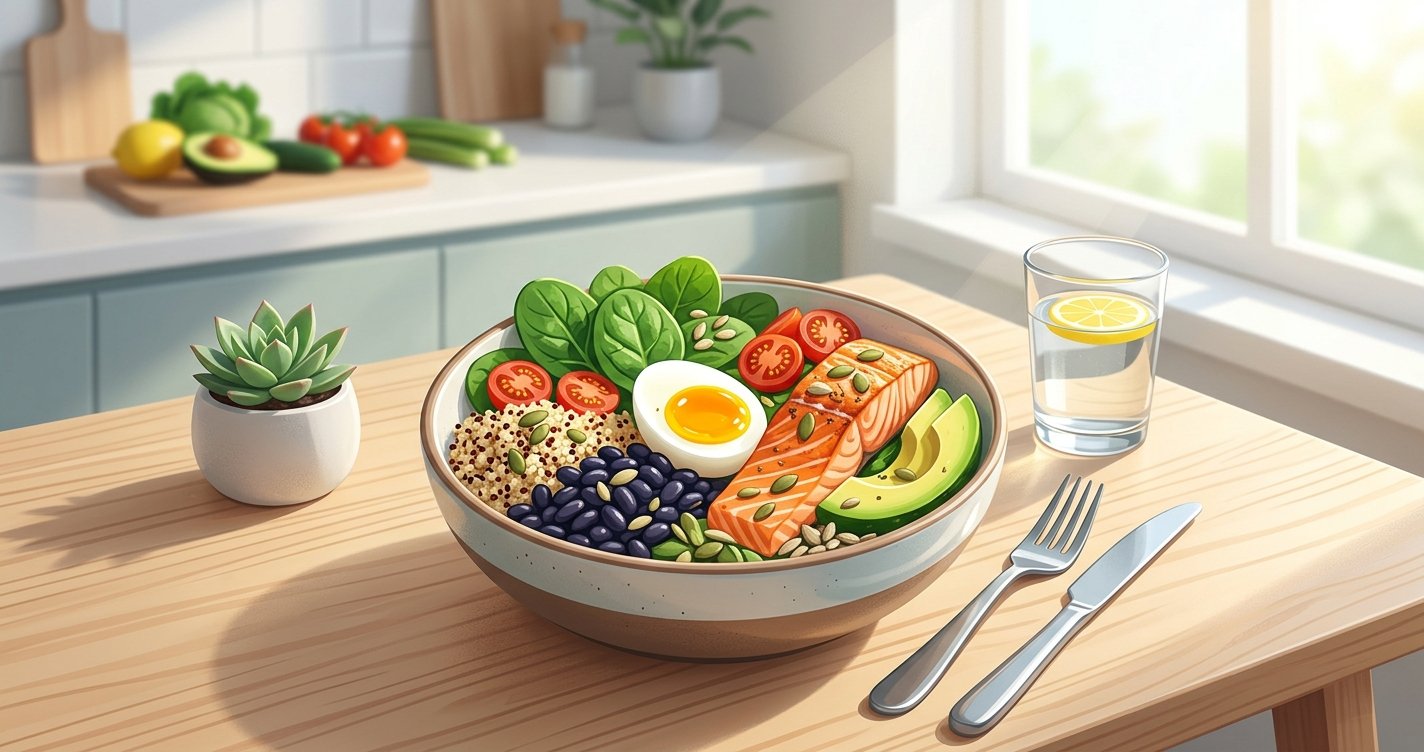
Unlock Sustainable Fat Loss: The Unbeatable Power of Protein in Your Diet
Are you on a fat loss journey, feeling like you’re trying everything but still struggling to see lasting results? You’re not alone! Many people focus heavily on calorie restriction or endless cardio, often overlooking one of the most powerful allies in sustainable fat loss: protein. It's more than just a nutrient for bodybuilders; it's a fundamental building block for a healthier, leaner you. In this friendly, evidence-based guide, we'll dive deep into why protein is your best friend for shedding fat, keeping it off, and feeling fantastic along the way.
The Unsung Hero of Fat Loss: Why Protein Deserves Your Attention
When it comes to losing fat, the conversation often revolves around creating a calorie deficit – consuming fewer calories than you burn. While this is absolutely crucial, how you achieve that deficit and what you eat makes a world of difference. This is where protein shines. Incorporating adequate protein into your diet isn't just about building muscle; it actively supports your fat loss goals through several key mechanisms. this excellent wellness product
Protein's Triple Threat: How It Supercharges Your Fat Loss Journey
Think of protein as a strategic player in your body’s fat-burning team. It works on multiple fronts to make your journey smoother and more effective:
1. The Satiety Superstar: Feeling Full, Longer
One of the biggest challenges in fat loss is battling hunger. Protein is renowned for its incredible ability to keep you feeling full and satisfied for longer than carbohydrates or fats. This is thanks to its impact on appetite-regulating hormones like ghrelin (the hunger hormone) and GLP-1 (a satiety hormone). When you eat protein, these hormones send signals to your brain that you're full, reducing cravings and making it easier to stick to your calorie goals without feeling deprived.
2. The Metabolic Booster: The Thermic Effect of Food (TEF)
Did you know your body actually burns calories just to digest and process the food you eat? This is called the Thermic Effect of Food (TEF), and protein has the highest TEF among all macronutrients. While carbs burn about 5-10% of their calories during digestion and fats around 0-3%, protein burns an impressive 20-30%. This means for every 100 calories of protein you consume, your body uses 20-30 of those calories just to break it down. It's a small but consistent metabolic boost that adds up over time, helping you burn more calories passively.
3. Muscle Preservation: Protecting Your Metabolism
When you're in a calorie deficit, your body can sometimes break down muscle tissue for energy, alongside fat. This is bad news for your metabolism, as muscle is metabolically active, meaning it burns more calories at rest than fat does. A higher protein intake helps to signal your body to preserve precious muscle mass, ensuring that a greater percentage of the weight you lose comes from fat, not muscle. Preserving muscle means your resting metabolic rate stays higher, making long-term weight management much easier.
Cracking the Code: How Much Protein Do You Actually Need for Optimal Fat Loss?
So, if protein is so powerful, how much should you be aiming for? While general recommendations for healthy adults are around 0.8 grams per kilogram (g/kg) of body weight, for fat loss and muscle preservation, a higher intake is often beneficial. Research suggests that aiming for 1.6 to 2.2 grams of protein per kilogram of body weight (or roughly 0.7 to 1.0 grams per pound) is optimal during a calorie deficit.
- For example, if you weigh 70 kg (154 lbs), you might aim for 112-154 grams of protein per day.
Don't worry, this isn't an exact science, and there's a bit of flexibility. What's most important is consistently hitting a higher target than you might be currently. And rest assured, for healthy individuals, a higher protein intake within these ranges is generally safe and beneficial, contrary to some outdated myths about kidney damage.
Smart Strategies: Integrating More Protein Seamlessly Into Your Day
Knowing how much protein you need is one thing; actually eating it is another! Here are some practical, friendly tips to boost your protein intake without feeling overwhelmed:
- Start Strong with Breakfast: Ditch the sugary cereals. Opt for eggs, Greek yogurt, cottage cheese, or a protein smoothie to kickstart your day with satiety.
- Protein at Every Meal: Make protein the centerpiece of your lunch and dinner. Aim for a palm-sized portion (or more!) of lean protein.
- Smart Snacking: Instead of chips or cookies, choose protein-rich snacks like hard-boiled eggs, a handful of almonds, string cheese, or beef jerky.
- Plan Ahead: Meal prepping can be a game-changer. Cook larger batches of chicken breast, lean ground turkey, or lentils to easily add to meals throughout the week.
- Don't Fear the Freezer: Keep frozen edamame, shrimp, or pre-cooked chicken on hand for quick protein boosts.
- Protein Powder as a Tool: While whole foods are always best, protein powder (whey, casein, plant-based) can be a convenient way to meet your targets, especially after workouts or as part of a quick snack/meal.
Fuel Your Body Right: A Guide to Delicious and Diverse Protein Sources
Variety is the spice of life, and it's also key to a balanced diet. Here are some excellent sources of protein to incorporate into your meals:
Animal-Based Protein Sources:
- Lean Meats: Chicken breast, turkey, lean beef (sirloin, flank steak), pork tenderloin.
- Fish & Seafood: Salmon, tuna, cod, shrimp, scallops. Rich in omega-3s too!
- Eggs: The incredible, edible, complete protein source. Versatile and affordable.
- Dairy: Greek yogurt, cottage cheese, milk, kefir.
Plant-Based Protein Sources:
- Legumes: Lentils, chickpeas, black beans, kidney beans.
- Soy Products: Tofu, tempeh, edamame.
- Grains: Quinoa, oats (in smaller amounts).
- Nuts & Seeds: Almonds, peanuts, chia seeds, flax seeds, hemp seeds (good for snacks or toppings).
- Vegetables: While lower, certain veggies like broccoli and spinach contribute small amounts of protein.
Mixing and matching these sources will not only keep your taste buds happy but also ensure you're getting a wide array of essential amino acids and micronutrients.
Beyond the Plate: Protein as Part of Your Holistic Fat Loss Blueprint
While protein is a superstar, it's important to remember it's one powerful piece of a larger puzzle. For truly sustainable fat loss, consider protein as the cornerstone that supports other vital habits:
- Calorie Deficit: Protein makes maintaining a deficit easier, but you still need to be mindful of your overall intake.
- Strength Training: Pairing a high-protein diet with resistance exercises is the ultimate combination for building and preserving muscle, which is crucial for a healthy metabolism.
- Hydration: Drinking plenty of water supports all bodily functions, including metabolism and satiety.
- Sleep & Stress Management: Poor sleep and high stress can wreak havoc on your hormones, making fat loss much harder. Prioritize rest and relaxation.
Your Protein-Powered Path to Sustainable Fat Loss Starts Now!
Embracing protein as a key component of your diet isn't just about temporary weight loss; it's about building a foundation for sustainable health, increased energy, and a more resilient body. By prioritizing protein, you'll naturally feel more satisfied, support your metabolism, and preserve muscle, making your fat loss journey not only more effective but also more enjoyable.
So, take a deep breath, and start making small, manageable changes today. Add an extra egg to your breakfast, choose chicken over pasta, or grab a handful of almonds for a snack. Your body, your energy levels, and your fat loss goals will thank you for it. Here's to a healthier, stronger you, powered by protein!