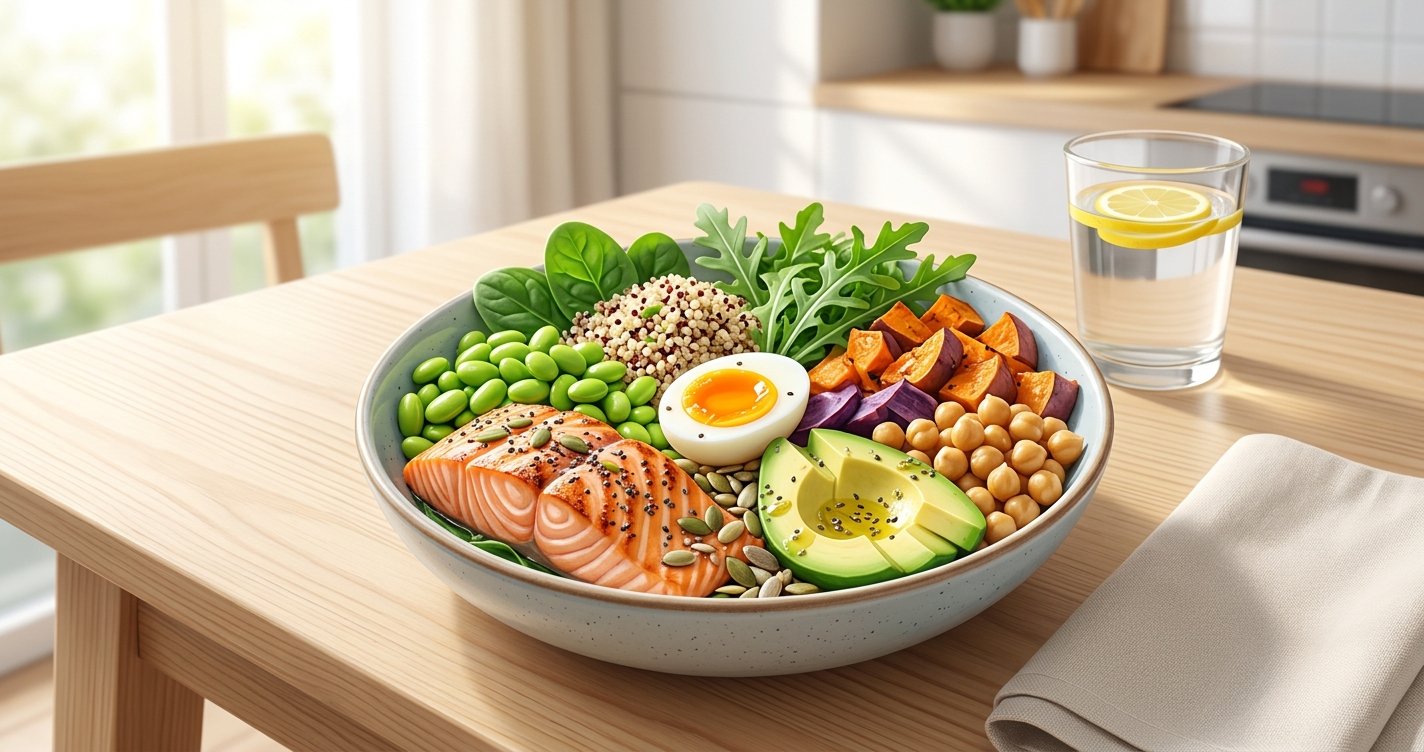
In the vast ocean of fat loss advice, it's easy to get lost in calorie counting, restrictive diets, and endless workout routines. While dedication to movement and being mindful of your energy intake are undeniably important, there's a secret weapon often overlooked in the pursuit of sustainable fat loss: the incredible synergy of protein and fiber. Forget the quick fixes; this isn't about deprivation. It's about empowering your body with the right nutrients to feel fuller, preserve muscle, and naturally optimize your metabolism. Ready to discover how these two nutritional powerhouses can transform your fat loss journey? Let's dive in!
Why "Just Eat Less" Often Fails: The Quality Over Quantity Debate
For decades, the mantra for weight loss has been simple: calories in, calories out. While this fundamental principle holds true for energy balance, it often oversimplifies the complex biological processes at play. You could technically eat 1500 calories of highly processed foods, but would you feel satisfied? Would your body get the nutrients it needs? Probably not. The quality of your calories profoundly impacts satiety, energy levels, hormone regulation, and metabolic health. Eating nutrient-dense foods, particularly those rich in protein and fiber, helps you feel full on fewer calories, reduces cravings, and supports your body's natural fat-burning mechanisms, making sustainable fat loss far more achievable than simply restricting your intake of everything. this excellent wellness product
The Protein Powerhouse: Your Ally in Fat Loss
Protein isn't just for bodybuilders; it's a critical macronutrient for anyone looking to lose fat and improve their overall health. Its benefits for fat loss are multifaceted and backed by extensive research.
How Protein Boosts Satiety and Reduces Cravings
Perhaps protein's most celebrated benefit for fat loss is its ability to make you feel fuller for longer. When you consume protein, it triggers the release of satiety hormones like PYY and GLP-1, signaling to your brain that you're satisfied. This hormonal response helps curb appetite and reduces the likelihood of overeating or snacking on unhealthy foods between meals. Imagine feeling genuinely content after a meal, rather than constantly battling hunger pangs – that's the protein advantage!
Preserving Muscle While Losing Fat
When you're in a calorie deficit to lose fat, there's always a risk of losing valuable muscle mass along with it. Muscle is metabolically active, meaning it burns more calories at rest than fat does. Losing muscle can slow down your metabolism, making future fat loss harder. Adequate protein intake is crucial for muscle protein synthesis, helping to preserve your lean muscle mass even when you're eating less. This ensures that the weight you're losing is primarily fat, not muscle.
The Thermic Effect of Food (TEF)
Did you know that your body expends energy just to digest, absorb, and metabolize the food you eat? This is known as the Thermic Effect of Food (TEF). Protein has the highest TEF of all macronutrients, meaning your body burns more calories processing protein compared to carbohydrates or fats. While the difference isn't massive, it adds up over time and contributes to a slight metabolic boost, giving you an edge in your fat loss efforts.
How Much Protein Do You Really Need?
For active individuals aiming for fat loss, research suggests a protein intake between 1.6 to 2.2 grams per kilogram of body weight (or roughly 0.7 to 1 gram per pound of target body weight) per day. Spreading this intake across your meals can optimize muscle protein synthesis throughout the day.
- Excellent Protein Sources: Lean meats (chicken, turkey, beef), fish (salmon, tuna, cod), eggs, dairy (Greek yogurt, cottage cheese), legumes (lentils, beans), tofu, tempeh, and protein powders.
Fiber's Fantastic Role: More Than Just Digestion
Often praised for its digestive benefits, fiber is another unsung hero in the fat loss journey. It works synergistically with protein to create a powerful duo for satiety and metabolic health.
The Satiety Secret Weapon
Like protein, fiber contributes significantly to feelings of fullness. Soluble fiber, found in oats, apples, and beans, forms a gel-like substance in your digestive tract, slowing down gastric emptying and keeping you feeling satisfied for longer. Insoluble fiber, found in whole grains and vegetables, adds bulk to your stool, promoting regularity and contributing to a feeling of fullness. Both types help prevent overeating and mindless snacking.
Blood Sugar Stabilization for Steady Energy
Fiber plays a vital role in regulating blood sugar levels. When you eat fiber-rich foods, the fiber slows down the absorption of sugar into your bloodstream, preventing sharp spikes and subsequent crashes. Stable blood sugar means more consistent energy levels throughout the day and fewer cravings for sugary, high-calorie foods that can derail your fat loss goals.
Gut Health: The Unsung Hero of Metabolism
A healthy gut microbiome is increasingly recognized as a key player in metabolic health and fat loss. Dietary fiber acts as a prebiotic, feeding the beneficial bacteria in your gut. These bacteria produce short-chain fatty acids (SCFAs), which have been linked to improved insulin sensitivity, reduced inflammation, and better weight management. Nurturing your gut health with fiber is a crucial step toward optimizing your body's fat-burning potential.
Boosting Nutrient Absorption
Beyond its direct impact on fat loss, fiber also helps ensure that your body efficiently absorbs other essential nutrients from your food. This comprehensive nutrient uptake supports overall health, energy, and well-being, which are all foundational to a successful fat loss journey.
Getting Enough Fiber: Practical Tips
The recommended daily fiber intake is generally around 25 grams for women and 38 grams for men, but many people fall short. Gradually increasing your fiber intake is key to avoid digestive discomfort.
- Fantastic Fiber Sources: Whole grains (oats, quinoa, brown rice), fruits (berries, apples, pears), vegetables (broccoli, spinach, carrots), legumes (beans, lentils, chickpeas), nuts, and seeds (chia seeds, flaxseeds).
Synergistic Success: Protein & Fiber Working Together
The real magic happens when you combine protein and fiber in your meals. Imagine a breakfast of Greek yogurt (protein) with berries and chia seeds (fiber), or a lunch of grilled chicken (protein) with a large mixed green salad and chickpeas (fiber). This powerful combination maximizes satiety, stabilizes blood sugar, and provides a steady release of energy, making it much easier to stick to your calorie goals without feeling deprived or hungry. These meals are not only incredibly satisfying but also packed with essential nutrients, supporting your body's health from the inside out.
Practical Steps to Integrate Protein & Fiber into Your Diet
- Start with a Protein & Fiber-Rich Breakfast: Ditch sugary cereals. Opt for eggs with spinach, Greek yogurt with fruit and nuts, or oatmeal with protein powder and berries.
- Snack Smart: Instead of chips or cookies, reach for an apple with a handful of almonds, cottage cheese with vegetables, or a hard-boiled egg.
- Prioritize Protein at Every Meal: Aim for a palm-sized portion of lean protein with lunch and dinner.
- "Bulk Up" Your Meals with Veggies: Load your plate with non-starchy vegetables at every meal. They're low in calories, high in fiber, and packed with nutrients.
- Embrace Legumes: Add beans, lentils, and chickpeas to soups, salads, and stews for an excellent source of both protein and fiber.
- Choose Whole Grains Over Refined: Swap white bread and pasta for whole-wheat versions, quinoa, or brown rice.
- Hydrate: Drinking plenty of water is crucial when increasing fiber intake to aid digestion.
Beyond the Plate: Holistic Fat Loss
While protein and fiber are incredible tools, remember that sustainable fat loss is a holistic endeavor. Don't forget the importance of adequate sleep, managing stress, and incorporating regular physical activity (especially strength training) into your routine. These elements work in harmony with your nutritional choices to create a comprehensive strategy for a healthier, leaner you.
Conclusion
Focusing on protein and fiber isn't just another diet trend; it's a smart, sustainable, and evidence-based approach to fat loss that prioritizes your body's needs. By making these two macronutrients cornerstones of your diet, you'll naturally boost satiety, preserve muscle, stabilize blood sugar, and support a healthy metabolism. It's about nourishing your body, not punishing it. Start small, make gradual changes, and be patient with yourself. Your journey to sustainable fat loss and a healthier, more energetic you begins with smart food choices. You've got this!