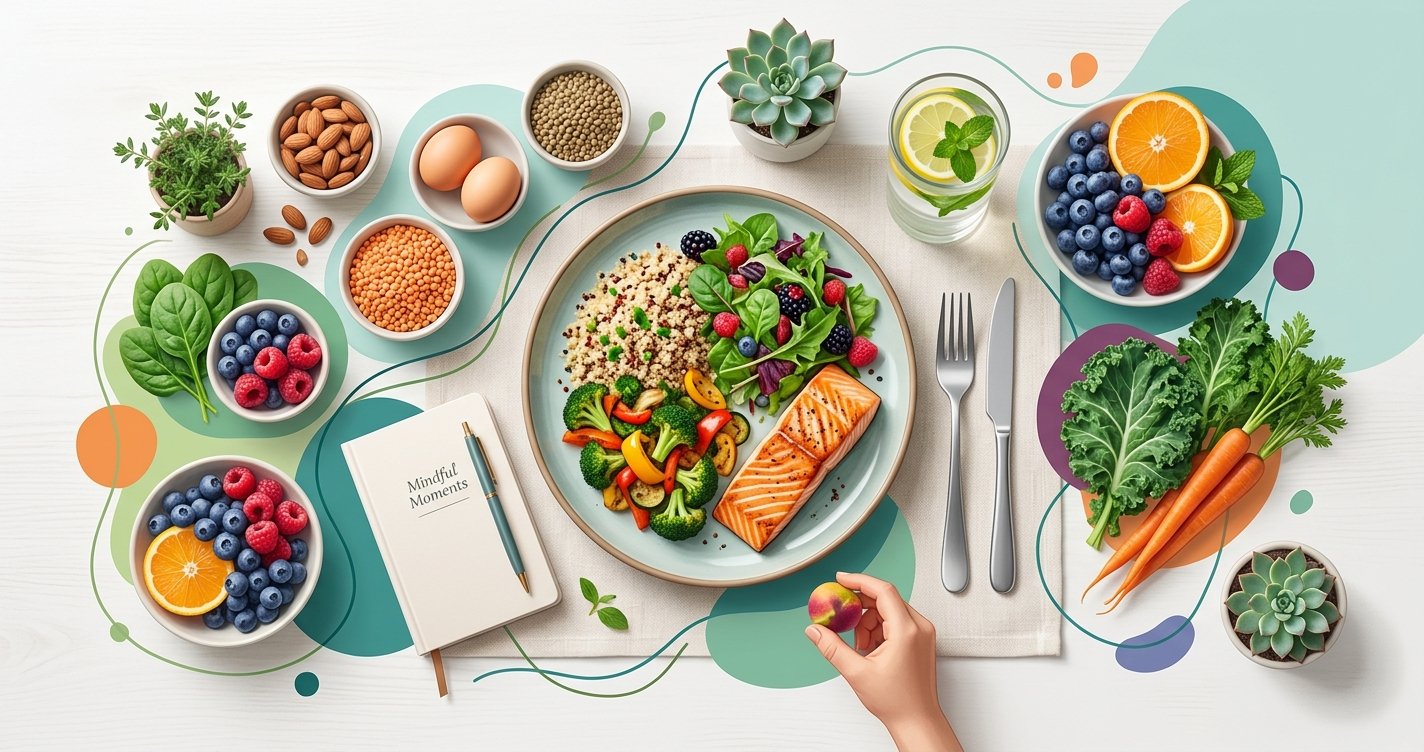
Are you tired of the endless cycle of restrictive diets, intense calorie counting, and frustrating plateaus? You're not alone. Many people embark on a fat loss journey armed with the mantra of "eat less, move more," only to find themselves burnt out, hungry, and no closer to their goals. While creating a calorie deficit is fundamental for fat loss, focusing solely on numbers often overlooks the crucial elements that make a diet sustainable, enjoyable, and truly effective in the long run.
The good news? Sustainable fat loss isn't about deprivation; it's about smart nutrition, building healthy habits, and listening to your body. In this comprehensive guide, we're going to dive deep into three powerful, evidence-based strategies that go beyond mere calorie restriction: harnessing the incredible power of protein, embracing the magic of fiber, and mastering the art of mindful eating. Get ready to transform your approach to fat loss and build a healthier, happier you! this excellent wellness product
Why "Just Eat Less" Often Fails: Understanding the Bigger Picture
The human body is an incredibly complex system, not a simple calculator. When you drastically cut calories without paying attention to what you're eating, a few things can go wrong:
- Constant Hunger: Low-calorie, nutrient-poor foods leave you feeling unsatisfied, leading to cravings and potential overeating.
- Muscle Loss: Without adequate protein, your body might break down precious muscle tissue for energy, slowing your metabolism.
- Metabolic Adaptation: Your body adapts to lower calorie intake by burning fewer calories, making further fat loss harder.
- Nutrient Deficiencies: Restrictive diets can lead to a lack of essential vitamins and minerals, impacting energy, mood, and overall health.
- Psychological Burnout: The mental strain of constant restriction can lead to diet fatigue and a rebound effect.
This is why a more holistic approach is essential. Instead of just cutting calories, we need to optimize our food choices to support our metabolism, manage hunger, and preserve muscle mass. Let's explore how.
The Protein Powerhouse: Building Muscle, Crushing Cravings
If there's one nutrient that deserves a standing ovation in the realm of fat loss, it's protein. Often overlooked in favor of carbs or fats, protein plays a critical role in satiety, muscle preservation, and metabolic health. Here's why it's a game-changer:
1. Superior Satiety: Feel Fuller, Longer
Protein is the most satiating macronutrient. Studies consistently show that high-protein meals significantly reduce hunger and keep you feeling full for longer periods compared to high-carb or high-fat meals. This means fewer cravings, less snacking, and a naturally reduced calorie intake without feeling deprived.
2. Thermic Effect of Food (TEF): Burn More Calories Digesting
Digesting food requires energy, and this is known as the Thermic Effect of Food (TEF). Protein has a significantly higher TEF than carbohydrates or fats. This means that about 20-30% of the calories from protein are burned just during its digestion and absorption, compared to 5-10% for carbs and 0-3% for fats. Incorporating more protein literally means you burn more calories without extra effort!
3. Muscle Preservation: Protect Your Metabolism
When you're in a calorie deficit, your body can sometimes break down muscle tissue along with fat. Since muscle is more metabolically active than fat, losing muscle can slow down your metabolism, making it harder to lose weight and easier to regain it. Adequate protein intake is crucial for preserving lean muscle mass during fat loss, ensuring that the weight you lose is primarily fat.
Practical Protein Tips:
- Aim High: Target 0.7-1 gram of protein per pound of your ideal body weight (or 1.6-2.2 grams per kilogram).
- Distribute Evenly: Spread your protein intake across all your meals and snacks to maximize satiety and muscle protein synthesis.
- Choose Lean Sources: Opt for chicken breast, turkey, lean beef, fish, eggs, Greek yogurt, cottage cheese, lentils, beans, and tofu.
- Don't Forget Plant-Based: If you're vegetarian or vegan, focus on a variety of plant proteins like legumes, quinoa, tempeh, edamame, and protein powders.
Fiber's Fantastic Role: Gut Health, Fullness, and Steady Energy
Often overshadowed by protein, dietary fiber is another unsung hero of sustainable fat loss. Found abundantly in fruits, vegetables, whole grains, and legumes, fiber offers a wealth of benefits that contribute to a healthy weight and overall well-being.
1. Enhanced Satiety: The Bulk Factor
Similar to protein, fiber contributes significantly to feelings of fullness. Soluble fiber, in particular, forms a gel-like substance in your digestive tract, slowing down stomach emptying and making you feel full for longer. This helps reduce overall calorie intake and prevents overeating.
2. Blood Sugar Control: Stable Energy, Fewer Cravings
Fiber helps to slow down the absorption of sugar into your bloodstream. This prevents rapid spikes and crashes in blood sugar, which are often followed by intense cravings and energy dips. Stable blood sugar levels mean more consistent energy and reduced temptation to reach for unhealthy snacks.
3. Gut Health Hero: A Happy Gut, A Healthy You
Dietary fiber acts as a prebiotic, feeding the beneficial bacteria in your gut. A healthy gut microbiome is linked to improved metabolism, reduced inflammation, and even better mood regulation, all of which indirectly support fat loss and overall health.
Practical Fiber Tips:
- Load Up on Plants: Make fruits, vegetables, and legumes the stars of your meals.
- Go Whole: Choose whole grains like oats, quinoa, brown rice, and whole wheat bread over refined grains.
- Read Labels: Look for foods with at least 3-5 grams of fiber per serving.
- Hydrate: Increase your water intake as you increase fiber to aid digestion and prevent discomfort.
- Gradual Increase: If you're not used to a high-fiber diet, increase your intake gradually to avoid digestive upset.
Mindful Eating: Reconnecting with Your Body's Wisdom
Beyond the macronutrients, how you eat is just as important as what you eat. Mindful eating is about bringing full awareness to your eating experience – paying attention to your hunger and fullness cues, savoring your food, and noticing how it makes you feel, both physically and emotionally. It's a powerful tool for breaking free from restrictive dieting and cultivating a healthier relationship with food.
Benefits of Mindful Eating for Fat Loss:
- Recognize True Hunger: Distinguish between physical hunger and emotional hunger (boredom, stress, sadness).
- Prevent Overeating: By eating slowly and paying attention, you're more likely to stop when satisfied, not stuffed.
- Enhance Enjoyment: Savoring each bite can make your meals more satisfying, reducing the desire for excessive portions or unhealthy snacks later.
- Improve Digestion: Eating slowly and chewing thoroughly aids digestion.
- Reduce Emotional Eating: By understanding the triggers behind emotional eating, you can develop healthier coping mechanisms.
Practical Mindful Eating Tips:
- Eliminate Distractions: Turn off the TV, put away your phone, and focus solely on your meal.
- Eat Slowly: Put your fork down between bites, chew thoroughly, and take your time.
- Check-in with Hunger: Before eating, ask yourself, "Am I truly hungry?" Use a hunger scale (1 = starving, 10 = painfully full) and aim to eat when you're around a 3-4 and stop when you're a 6-7.
- Engage Your Senses: Notice the colors, aromas, textures, and flavors of your food.
- Practice Gratitude: Take a moment to appreciate your food and the nourishment it provides.
Beyond the Plate: The Pillars of Sustainable Success (Sleep, Stress, Movement)
While nutrition is paramount, sustainable fat loss isn't solely about food. Your lifestyle choices play a massive role in your body's ability to burn fat effectively and maintain long-term health. Don't underestimate the power of these often-overlooked pillars:
- Quality Sleep: Lack of sleep disrupts hunger-regulating hormones (ghrelin and leptin), leading to increased appetite and cravings for unhealthy foods. Aim for 7-9 hours of quality sleep per night.
- Stress Management: Chronic stress elevates cortisol levels, which can promote fat storage, particularly around the abdomen. Find healthy ways to manage stress, such as meditation, yoga, spending time in nature, or hobbies.
- Regular Movement: While a calorie deficit drives fat loss, regular physical activity, especially strength training, helps preserve muscle mass, boosts metabolism, improves insulin sensitivity, and enhances mood. Aim for a mix of strength training and cardiovascular exercise.
Crafting Your Sustainable Fat Loss Journey: Actionable Steps
Ready to put these strategies into action? Here’s a simple roadmap to get you started on your journey towards sustainable fat loss:
- Prioritize Protein at Every Meal: Make sure each meal and snack includes a good source of lean protein. Think eggs for breakfast, chicken salad for lunch, and fish or lentils for dinner.
- Double Down on Fiber-Rich Foods: Fill half your plate with non-starchy vegetables. Add berries to your yogurt, beans to your soup, and swap white bread for whole-grain options.
- Practice Mindful Eating Regularly: Start with one meal a day where you commit to eating slowly, without distractions, and truly savoring your food. Gradually expand this practice.
- Hydrate Consistently: Drink plenty of water throughout the day, especially before meals, to support satiety and digestion.
- Optimize Your Lifestyle: Make a conscious effort to improve your sleep hygiene, incorporate stress-reducing activities, and find forms of exercise you genuinely enjoy.
Embrace the Journey, Not Just the Destination
Sustainable fat loss isn't a quick fix; it's a journey of building healthier habits, understanding your body, and fostering a positive relationship with food. By focusing on the powerful combination of adequate protein, abundant fiber, and mindful eating – supported by quality sleep, stress management, and regular movement – you're not just losing weight; you're building a foundation for long-term health, vitality, and a newfound confidence that truly lasts. Be patient, be consistent, and most importantly, be kind to yourself. Your body will thank you for it.