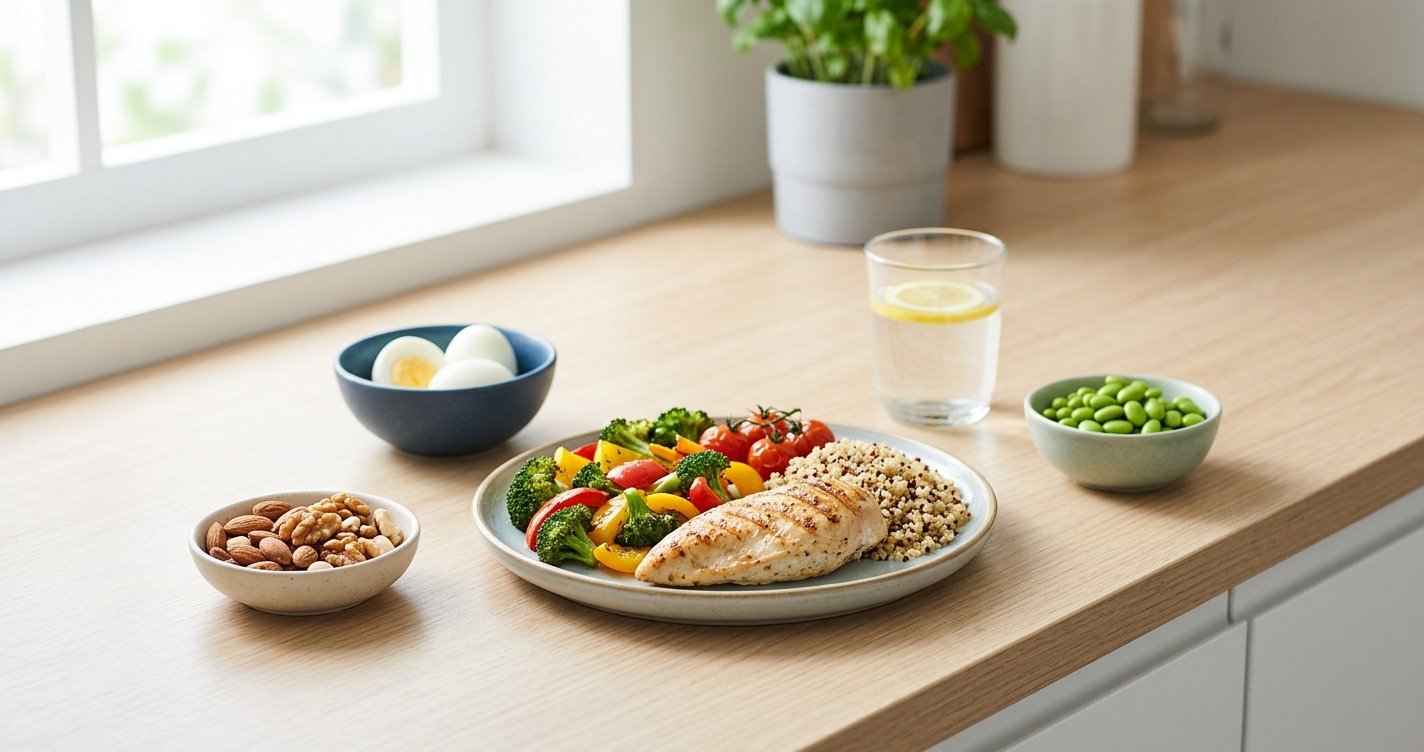
Tired of Fad Diets? Discover the Sustainable Path to Fat Loss!
If you’ve ever felt trapped in a cycle of restrictive diets, quick fixes, and disappointing results, you’re not alone. The world of “fat loss” is often cluttered with misinformation, miracle pills, and extreme eating plans that promise the world but deliver little beyond frustration. But what if we told you that sustainable, effective fat loss doesn’t have to be complicated or miserable? It boils down to two fundamental, evidence-based principles: creating a smart calorie deficit and harnessing the incredible power of protein.
Forget starvation and endless cardio. This guide will walk you through how to strategically use these two pillars to melt away unwanted fat, preserve precious muscle, and build healthy habits that last a lifetime. Get ready to transform your body and your relationship with food, without sacrificing your sanity. this excellent wellness product
Understanding the Core: The Calorie Deficit Explained
At its heart, fat loss is a simple equation: you must consume fewer calories than your body burns. This state is known as a “calorie deficit.” When your body isn’t getting enough energy from food, it turns to its stored energy reserves—primarily body fat—to make up the difference. It’s non-negotiable science; no amount of “superfoods” or “detoxes” can bypass this fundamental principle.
Think of your body as a car. If you put less fuel in than you burn driving, eventually, the fuel tank empties. For your body, the “fuel tank” is your fat stores. Creating a deficit doesn't mean starving yourself; it means making mindful choices to slightly reduce your energy intake while still providing your body with essential nutrients.
Don’t Go Too Low: The Dangers of Extreme Restriction
While a calorie deficit is crucial, a moderate approach is key. A deficit that’s too aggressive (e.g., eating fewer than 1200 calories a day for most adults) can backfire dramatically. Extreme restriction can lead to muscle loss, nutrient deficiencies, fatigue, hormonal imbalances, and a slowed metabolism, making it harder to sustain fat loss in the long run. A safe and sustainable deficit typically ranges from 300 to 500 calories below your maintenance level, allowing for steady progress without detrimental side effects. Tools like online TDEE (Total Daily Energy Expenditure) calculators can help you estimate your maintenance calories and guide your deficit.
The Superhero Nutrient: Why Protein is Your Fat Loss Best Friend
Once you’ve established your calorie deficit, protein steps in as your most valuable ally. Protein isn't just for bodybuilders; it’s a macronutrient powerhouse that plays several critical roles in making fat loss more effective, easier, and more sustainable.
- Satiety & Reduced Cravings: Protein is incredibly satiating. It helps you feel fuller for longer, curbing hunger pangs and reducing the likelihood of overeating or snacking on unhealthy foods. This makes adhering to your calorie deficit significantly easier.
- Thermic Effect of Food (TEF): Protein has a higher TEF than carbohydrates or fats. This means your body expends more energy (burns more calories) digesting and metabolizing protein-rich foods. While not a huge calorie burner, every little bit helps in a deficit!
- Muscle Preservation: When you’re in a calorie deficit, your body can sometimes break down muscle tissue for energy, not just fat. Adequate protein intake is vital for preserving lean muscle mass. Maintaining muscle is crucial because muscle tissue is metabolically active, meaning it burns more calories at rest than fat tissue. Protecting your muscle ensures your metabolism stays robust as you lose fat.
How Much Protein Do You Really Need? Practical Guidelines
For optimal fat loss and muscle preservation, aiming for a higher protein intake than the standard dietary recommendations is often beneficial. A good general guideline is to consume between 1.6 to 2.2 grams of protein per kilogram of body weight per day (or 0.7 to 1 gram per pound of body weight). For example, a person weighing 70 kg (about 154 lbs) would aim for 112-154 grams of protein daily.
Focus on incorporating high-quality protein sources into every meal and snack:
- Lean Meats: Chicken breast, turkey, lean beef, pork loin
- Fish & Seafood: Salmon, cod, tuna, shrimp
- Eggs: Whole eggs are a complete protein source
- Dairy: Greek yogurt, cottage cheese, milk, whey protein
- Legumes & Plant-Based: Lentils, beans, tofu, tempeh, edamame (for plant-based individuals, combining different sources ensures complete amino acid profiles)
- Protein Powder: A convenient way to boost intake, especially post-workout or as a snack.
Combining Forces: Synergistic Strategies for Success
The magic truly happens when you combine a smart calorie deficit with a high-protein diet. Protein makes that deficit feel less like deprivation and more like sustainable eating. But let’s not forget other crucial nutritional elements that support this powerful duo:
- Whole Foods First: Prioritize whole, unprocessed foods. They are generally more nutrient-dense and fiber-rich, further enhancing satiety and providing essential vitamins and minerals. Think fruits, vegetables, whole grains, and healthy fats.
- Fiber-Rich Foods: Fiber, found in fruits, vegetables, and whole grains, adds bulk to your meals, promoting fullness and aiding digestion.
- Healthy Fats: Don’t fear fats! Healthy fats from avocados, nuts, seeds, and olive oil are vital for hormone production, nutrient absorption, and also contribute to satiety. Just be mindful of their calorie density.
- Strength Training: While not a nutrition strategy, incorporating strength training into your routine amplifies the benefits of protein intake. It signals to your body to hold onto muscle mass (or even build some) during your fat loss phase, making your body composition improvements even more dramatic.
Meal Planning for Protein & Deficit Success
Consistency is king. Planning your meals in advance can dramatically increase your chances of success. Here are some tips:
- Prep Ahead: Dedicate an hour or two each week to meal prepping. Cook a batch of lean protein (chicken, ground turkey), chop vegetables, and portion out snacks.
- Balance Your Plates: Aim for a palm-sized portion of protein, a fist-sized portion of vegetables, and a cupped hand of complex carbohydrates at most main meals. Add a thumb-sized portion of healthy fats.
- Track (Initially): For a few weeks, consider tracking your food intake using an app. This helps you understand portion sizes, calorie counts, and protein content, empowering you to make informed decisions without needing to track forever.
- Smart Snacking: If you need snacks, make them protein-rich. Greek yogurt, cottage cheese, a hard-boiled egg, or a handful of almonds can keep you full until your next meal.
Beyond the Plate: Lifestyle Factors That Support Fat Loss
While nutrition is paramount, several lifestyle factors work in harmony with your calorie deficit and protein intake to optimize fat loss and overall well-being:
- Adequate Sleep: Poor sleep disrupts hunger-regulating hormones (ghrelin and leptin), leading to increased cravings and reduced willpower. Aim for 7-9 hours of quality sleep per night.
- Stress Management: Chronic stress elevates cortisol levels, which can promote fat storage, especially around the midsection. Incorporate stress-reducing activities like meditation, yoga, or spending time in nature.
- Hydration: Drinking plenty of water is crucial. Sometimes, thirst can be mistaken for hunger. Water also supports metabolic processes and can help you feel fuller.
- Consistency & Patience: Fat loss is a journey, not a race. There will be good days and challenging days. Stay consistent with your efforts, celebrate small victories, and be patient with your body. Sustainable fat loss takes time.
Your Journey to Sustainable Fat Loss Starts Now
You now have the fundamental tools to embark on a truly sustainable fat loss journey. Forget the fleeting promises of restrictive diets. Embrace the powerful combination of a smart calorie deficit and a high-protein intake, supported by whole foods and healthy lifestyle choices. This isn’t about deprivation; it’s about intelligent eating that fuels your body, satisfies your hunger, and preserves your precious muscle.
Remember, consistency over perfection is the key. Start small, make gradual changes, and listen to your body. With dedication and the right strategy, you can achieve lasting fat loss, improve your health, and feel more confident and energetic than ever before. Your sustainable transformation begins today!