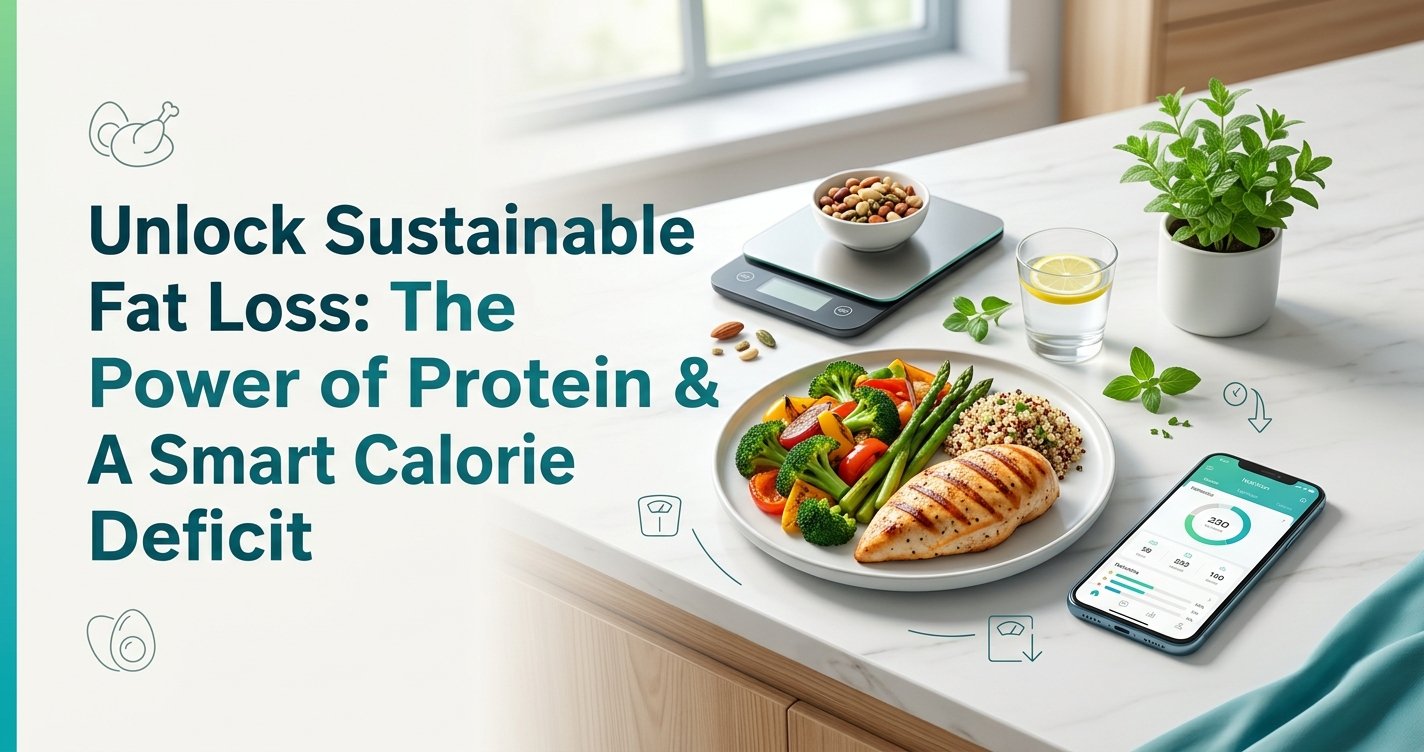
Introduction: Unlocking the Secret to Sustainable Fat Loss
Are you tired of quick fixes and restrictive diets that leave you feeling defeated? When it comes to fat loss, the internet is flooded with conflicting advice, making it hard to know where to start. But what if we told you there are two fundamental, evidence-based pillars that can transform your body and help you achieve lasting results without feeling deprived? We're talking about the incredible power of a strategic calorie deficit combined with a robust intake of protein.
This isn't about starvation or endless cardio. It's about smart, sustainable strategies that work with your body, not against it. In this comprehensive guide, we'll demystify the science behind effective fat loss, showing you how to harness the synergy of a well-managed calorie deficit and the muscle-preserving, hunger-busting benefits of protein. Get ready to build a healthier, stronger you – one delicious, protein-packed meal at a time! this excellent wellness product
Understanding the Calorie Deficit: Your Fat Loss Foundation
At its core, fat loss boils down to one simple principle: you need to consume fewer calories than your body burns. This creates a "calorie deficit," forcing your body to tap into its stored fat reserves for energy. It sounds straightforward, but the execution often gets complicated.
What is a Calorie Deficit?
Think of your body as a car. Calories are its fuel. If you put less fuel in than the car uses to drive, it will eventually run out. Similarly, if you consistently provide fewer calories than your body needs to maintain its current weight, it will start using stored energy (primarily fat) to make up the difference. This is the bedrock of all successful fat loss.
How to Calculate Your Calorie Needs (And Create Your Deficit)
Estimating your daily calorie needs is the first step. Your Basal Metabolic Rate (BMR) is the number of calories your body burns at rest, just to keep vital functions going. Your Total Daily Energy Expenditure (TDEE) includes your BMR plus the calories burned through physical activity. Online calculators (search for "TDEE calculator") can give you a good starting estimate based on your age, sex, weight, height, and activity level.
Once you have your TDEE, you'll want to create a deficit. A common and sustainable approach is to aim for a deficit of 300-500 calories per day. This typically leads to a healthy fat loss rate of 1-2 pounds per week. For example, if your TDEE is 2500 calories, eating 2000-2200 calories per day would put you in a suitable deficit.
- Don't go too low: Extreme deficits (more than 750-1000 calories below TDEE) can be detrimental. They can lead to muscle loss, nutrient deficiencies, fatigue, and can even slow down your metabolism in the long run.
- Be patient: Fat loss isn't linear. There will be fluctuations due to water retention, hormones, and other factors. Consistency is key!
The Protein Advantage: Why It's Your Fat Loss MVP
While a calorie deficit is non-negotiable for fat loss, how you achieve that deficit matters immensely. This is where protein steps onto the stage as your most valuable player. Protein isn't just for bodybuilders; it's a critical macronutrient for anyone looking to lose fat sustainably and improve body composition.
Satiety and Hunger Control
One of protein's greatest superpowers is its ability to keep you feeling fuller for longer. Research consistently shows that protein is the most satiating macronutrient, meaning it reduces hunger and cravings more effectively than carbohydrates or fats. This is partly due to its impact on appetite-regulating hormones like ghrelin (the hunger hormone) and PYY (which promotes fullness). When you feel full and satisfied, you're less likely to overeat and stick to your calorie deficit without constant battles against hunger pangs.
Preserving Muscle Mass
When you're in a calorie deficit, your body can sometimes break down muscle tissue for energy, especially if protein intake is low. This is counterproductive for fat loss because muscle is metabolically active – it burns more calories at rest than fat tissue. A higher protein intake helps to signal your body to preserve precious muscle mass, ensuring that the weight you lose is primarily fat. This is crucial for maintaining a healthy metabolism and achieving a lean, toned physique.
Thermic Effect of Food (TEF)
Did you know your body actually burns calories digesting and processing the food you eat? This is known as the Thermic Effect of Food (TEF). Protein has a significantly higher TEF compared to carbohydrates and fats. Approximately 20-30% of the calories from protein are burned during digestion, while carbs burn 5-10% and fats burn only 0-3%. This means that by prioritizing protein, you're getting a small but significant metabolic boost simply by eating!
Practical Protein Sources
To reap these benefits, aim for roughly 0.7-1 gram of protein per pound of your target body weight (or current body weight if you're not aiming for a drastically different size). Spread your protein intake across all your meals and snacks.
- Animal Sources: Lean chicken breast, turkey, lean beef, fish (salmon, cod, tuna), eggs, Greek yogurt, cottage cheese.
- Plant-Based Sources: Lentils, beans, chickpeas, tofu, tempeh, edamame, quinoa, nutritional yeast, protein powder (pea, soy, rice).
- Supplements: Whey protein, casein protein, plant-based protein powders can be convenient tools to hit your daily targets, especially after workouts or when you're on the go.
Combining Forces: How Protein and Calorie Deficit Work Together
The magic truly happens when you strategically combine these two pillars. It’s not just about hitting a calorie target; it’s about making those calories count.
Meal Planning for Success
Prioritize protein in every meal. Start with your protein source, then build around it with plenty of non-starchy vegetables, a moderate amount of healthy fats, and complex carbohydrates (like whole grains or sweet potatoes) in portions appropriate for your calorie deficit. This approach naturally helps with satiety and nutrient density.
Example Meal Structure:
- Breakfast: Scrambled eggs with spinach and a slice of whole-wheat toast, or Greek yogurt with berries and a sprinkle of nuts.
- Lunch: Large salad with grilled chicken or chickpeas, mixed greens, and a light vinaigrette.
- Dinner: Baked salmon with roasted broccoli and a small serving of quinoa.
- Snacks: Cottage cheese, a handful of almonds, protein shake.
Smart Snacking
If you need snacks, make them protein-rich. This helps bridge the gap between meals without derailing your deficit. Instead of chips or cookies, opt for hard-boiled eggs, a small container of Greek yogurt, a handful of almonds, or a protein bar.
Hydration and Fiber: Supporting Roles
While not primary fat loss mechanisms, adequate hydration and fiber intake play crucial supporting roles. Water can help you feel fuller, aid digestion, and is essential for overall bodily functions. Fiber, found in fruits, vegetables, and whole grains, also contributes to satiety and digestive health, making your journey more comfortable.
Beyond the Plate: Lifestyle Factors for Lasting Results
Fat loss isn't just about what you eat; it's a holistic process. Integrating healthy lifestyle habits will amplify your results and ensure they stick.
The Role of Strength Training
Strength training is a game-changer for fat loss, especially when combined with a high-protein diet. Lifting weights helps you build and maintain muscle mass, which as we discussed, boosts your resting metabolism. More muscle means you burn more calories even when you're just sitting around. Aim for 2-4 strength training sessions per week, focusing on compound movements that work multiple muscle groups.
Sleep and Stress Management
Don't underestimate the power of a good night's sleep and managing stress. Poor sleep and chronic stress can wreak havoc on your hormones, particularly cortisol (the stress hormone) and ghrelin/leptin (appetite hormones). This can lead to increased cravings, elevated fat storage (especially around the midsection), and difficulty adhering to your calorie deficit. Aim for 7-9 hours of quality sleep per night and find healthy ways to manage stress, such as meditation, yoga, or spending time in nature.
Mindful Eating and Patience
Pay attention to your hunger and fullness cues. Eat slowly, savor your food, and avoid distractions. This helps you recognize when you're truly satisfied, preventing overeating. Remember, fat loss is a journey, not a race. Celebrate non-scale victories like increased energy, better sleep, stronger lifts, and clothes fitting better. Patience and consistency will lead to sustainable success.
Common Pitfalls and How to Avoid Them
Even with the best intentions, it's easy to stumble. Being aware of common mistakes can help you navigate your journey more smoothly.
- Too Aggressive Deficits: As mentioned, cutting too many calories too quickly can backfire, leading to muscle loss, nutrient deficiencies, and metabolic slowdown. Aim for a moderate, sustainable deficit.
- Neglecting Protein: Under-eating protein is a common mistake that leads to increased hunger, muscle loss, and a slower metabolism. Make protein a priority in every meal.
- Overestimating Calories Burned: Fitness trackers can sometimes overestimate calorie expenditure during exercise. Don't "eat back" all your exercise calories; factor in a portion if you're very active, but trust your deficit first.
- Impatience and Comparison: Everyone's body is different, and progress isn't linear. Focus on your own journey, celebrate small wins, and don't get discouraged by comparing yourself to others.
Your Action Plan for Sustainable Fat Loss
Ready to put this knowledge into action? Here's a simple, actionable plan:
- Calculate Your TDEE: Use an online calculator to get an estimate.
- Set Your Calorie Target: Subtract 300-500 calories from your TDEE for a sustainable deficit.
- Prioritize Protein: Aim for 0.7-1 gram of protein per pound of target body weight daily, spread across meals.
- Track Your Intake (Initially): For a few weeks, use an app to track your food to understand portion sizes and calorie/macro content.
- Eat Whole Foods: Focus on lean proteins, abundant vegetables, fruits, and whole grains.
- Incorporate Strength Training: Aim for 2-4 sessions per week.
- Prioritize Sleep & Stress Management: Make these non-negotiable parts of your routine.
- Stay Hydrated: Drink plenty of water throughout the day.
- Be Patient & Consistent: Trust the process and celebrate progress, big or small.
Conclusion: Empowering Your Fat Loss Journey
Fat loss doesn't have to be complicated, confusing, or punishing. By understanding and consistently applying the principles of a smart calorie deficit and prioritizing protein intake, you're not just losing weight; you're building a stronger, healthier, and more resilient body. This evidence-based approach empowers you to take control of your nutrition, feel satisfied, preserve muscle, and ultimately achieve sustainable results that last a lifetime. Embrace the power of protein and a strategic calorie deficit, and watch as you transform not just your body, but your entire relationship with food and fitness. You’ve got this!