Unlock Sustainable Fat Loss: The Power of Protein & Smart Calorie Deficits
Feeling overwhelmed by the endless stream of fad diets and conflicting advice when it comes to fat loss? You're not alone! Many people jump from one extreme diet to another, only to find themselves back where they started, often feeling frustrated and defeated. But what if we told you that sustainable fat loss doesn't have to be complicated or involve deprivation? What if it could be achieved by focusing on two powerful, evidence-based pillars: a strategic calorie deficit and adequate protein intake?
This isn't about quick fixes; it's about building a foundation for lasting change. In this comprehensive guide, we'll dive deep into why these two factors are your ultimate allies in the journey to a leaner, healthier you. We'll explore the science, provide practical tips, and empower you to make informed choices that lead to real, sustainable results. Get ready to transform your approach to fat loss, one delicious, protein-packed meal at a time! this excellent wellness product
The Calorie Deficit Cornerstone: Why It Matters for Fat Loss
Let's cut straight to the chase: if you want to lose fat, you must consume fewer calories than your body expends. This fundamental principle is known as creating a calorie deficit, and it's the non-negotiable cornerstone of any effective fat loss strategy. Think of your body as a car; if you want to use up the fuel (stored fat), you need to put less fuel in than you burn off.
Understanding Your Energy Balance
Your body is constantly burning calories to perform essential functions like breathing, circulating blood, and digesting food (this is your Basal Metabolic Rate, or BMR). On top of that, you burn calories through physical activity. The total number of calories your body burns in a day is your Total Daily Energy Expenditure (TDEE).
- To lose fat: Calories In < Calories Out (TDEE)
- To maintain weight: Calories In = Calories Out (TDEE)
- To gain weight: Calories In > Calories Out (TDEE)
How to Create a Smart Calorie Deficit
While online calculators can give you a starting estimate for your TDEE, the best approach is to track your intake for a few days to get a baseline. Then, aim for a moderate deficit of 300-500 calories below your TDEE. This range is generally considered safe, sustainable, and effective for most individuals, leading to a healthy fat loss rate of 1-2 pounds per week.
Warning: Don't be tempted by extreme deficits (e.g., 1000+ calories). While they might offer rapid initial weight loss, they often lead to muscle loss, nutrient deficiencies, fatigue, and are highly unsustainable, often resulting in rebound weight gain. Slow and steady truly wins the race here.
Protein: Your Secret Weapon for Sustainable Fat Loss
Once you've nailed the calorie deficit, the next critical piece of the puzzle is protein. Protein isn't just for bodybuilders; it's a powerhouse macronutrient that offers incredible advantages for anyone looking to shed body fat and maintain a healthy physique.
Why Protein Is Your Best Friend for Fat Loss:
- Satiety Superstar: Protein is the most satiating macronutrient, meaning it helps you feel fuller for longer. This is crucial when you're in a calorie deficit, as it helps curb cravings and prevents overeating, making adherence much easier.
- Muscle Preservation: When you lose weight, you want to lose fat, not muscle. Adequate protein intake is vital for preserving lean muscle mass, especially when in a calorie deficit. Maintaining muscle is important because muscle tissue burns more calories at rest than fat tissue, supporting your metabolism.
- Higher Thermic Effect of Food (TEF): Your body uses energy to digest, absorb, and metabolize the food you eat. Protein has a significantly higher TEF than carbohydrates or fats. This means you burn more calories simply by digesting protein-rich foods, giving you a slight metabolic advantage.
How Much Protein Do You Need?
For optimal fat loss and muscle preservation, current research suggests aiming for 1.6 to 2.2 grams of protein per kilogram of body weight (or 0.7 to 1 gram per pound of body weight) daily. Distribute your protein intake throughout the day across multiple meals to maximize its benefits.
Smart Food Choices: Building a Protein-Rich, Deficit-Friendly Plate
Now that we understand the 'why,' let's talk about the 'how.' Building meals that support your calorie deficit and hit your protein targets doesn't have to be bland or boring. It's about smart choices and delicious combinations!
Lean Protein Sources to Prioritize:
- Animal-Based: Chicken breast, turkey, lean beef, fish (salmon, cod, tuna), eggs, Greek yogurt, cottage cheese.
- Plant-Based: Lentils, beans (black, kidney, chickpeas), tofu, tempeh, edamame, quinoa, protein powder (whey, casein, plant-based).
Crafting Your Meals:
Focus on creating balanced meals that feature a solid protein source, plenty of non-starchy vegetables (for fiber, volume, and nutrients), and a moderate amount of healthy fats and complex carbohydrates.
- Breakfast: Greek yogurt with berries and a sprinkle of nuts; scrambled eggs with spinach and whole-grain toast; protein smoothie.
- Lunch: Large salad with grilled chicken or chickpeas; turkey and veggie wrap on a whole-wheat tortilla; lentil soup with a side salad.
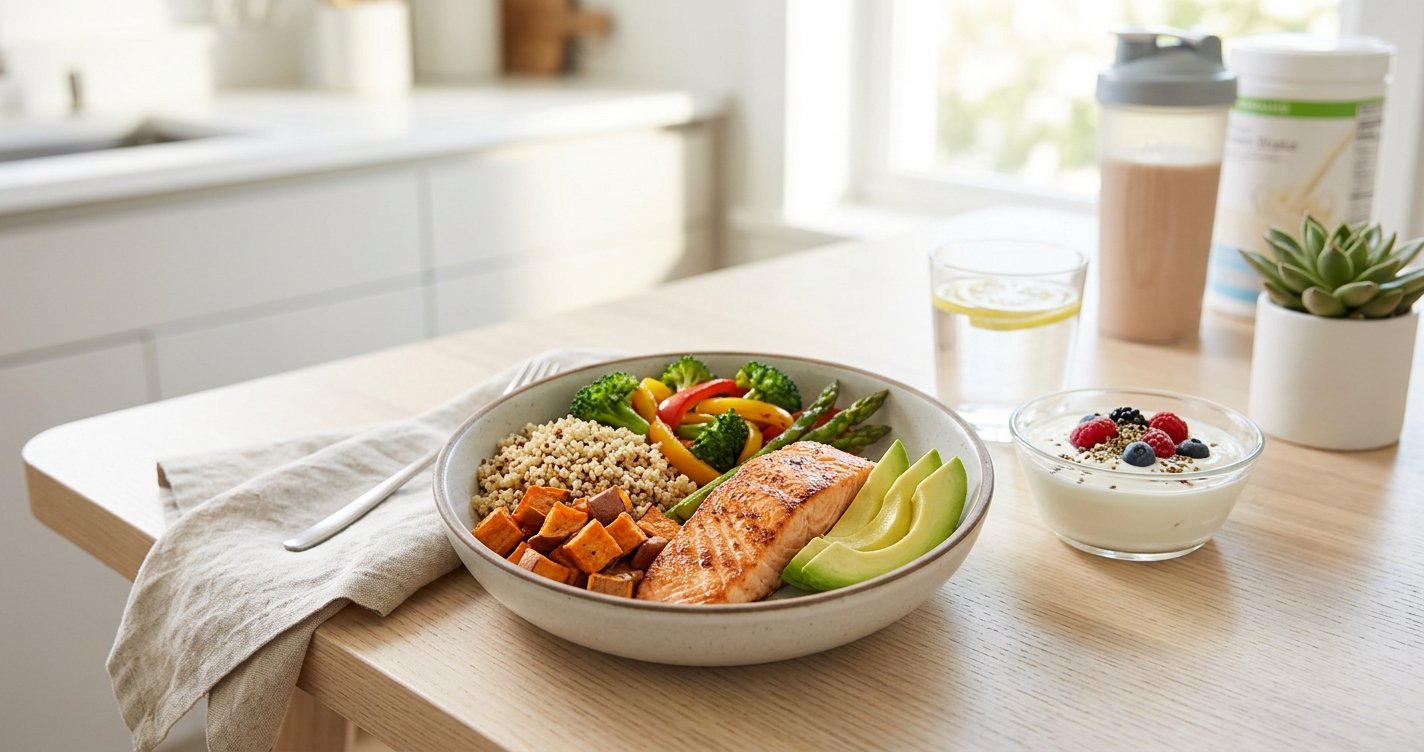
- Dinner: Baked salmon with roasted broccoli and a small serving of sweet potato; lean ground turkey stir-fry with mixed vegetables and brown rice; tofu and vegetable curry.
- Snacks: Cottage cheese, hard-boiled eggs, a small handful of almonds, protein bar, apple slices with peanut butter.
Beyond the Plate: Lifestyle Habits Supporting Your Journey
While nutrition is paramount, sustainable fat loss is a holistic endeavor. Incorporating healthy lifestyle habits will significantly enhance your results and overall well-being.
Hydration is Key:
Drinking enough water is often overlooked but incredibly important. Water aids in metabolism, helps you feel full, and can sometimes be mistaken for hunger. Aim for at least 8 glasses (2-3 liters) daily.
Prioritize Sleep:
Lack of sleep can wreak havoc on your hormones, increasing ghrelin (the hunger hormone) and decreasing leptin (the satiety hormone). This makes it harder to stick to your calorie deficit. Aim for 7-9 hours of quality sleep per night.
Manage Stress Levels:
Chronic stress elevates cortisol, a hormone that can promote fat storage, especially around the midsection. Find healthy ways to manage stress, such as meditation, yoga, spending time in nature, or engaging in hobbies you enjoy.
Embrace Movement:
You don't need to live in the gym to lose fat, but incorporating regular physical activity is beneficial. Focus on a mix of strength training (to build and preserve muscle) and cardiovascular exercise (for calorie burning and heart health). Even increasing your daily steps can make a difference!
Navigating Challenges & Staying Consistent
The path to fat loss isn't always linear. You'll encounter plateaus, social temptations, and days when motivation is low. This is normal, and understanding how to navigate these challenges is crucial for long-term success.
Dealing with Plateaus:
If your fat loss stalls for a couple of weeks, don't panic! Your body adapts. Re-evaluate your calorie intake, ensure you're accurately tracking, increase your activity slightly, or consider a small 'diet break' (a week at maintenance calories) to reset your metabolism and mental state.
Social Situations & Cravings:
Plan ahead! If you're going out, check the menu beforehand. Opt for leaner protein options and fill up on veggies. For cravings, try to identify if you're truly hungry or just bored/stressed. Sometimes a glass of water, a walk, or a high-protein snack can do the trick.
Focus on Progress, Not Perfection:
One 'off' meal or day won't derail your entire journey. Forgive yourself, learn from it, and get back on track with your next meal. Consistency over time is far more important than achieving perfection every single day.
Your Sustainable Fat Loss Journey Starts Now!
You now have the knowledge and tools to embark on a truly sustainable fat loss journey. By consistently prioritizing a moderate calorie deficit and ample protein intake, you're setting yourself up for success, not just in losing fat, but in building healthier habits that last a lifetime.
Remember, this is your journey. Be patient with yourself, celebrate small victories, and focus on progress over perfection. Start by making one small change today – perhaps adding an extra serving of protein to your next meal or tracking your intake for a few days. With dedication and these evidence-based strategies, you're well on your way to achieving your fat loss goals and feeling your absolute best. You've got this!