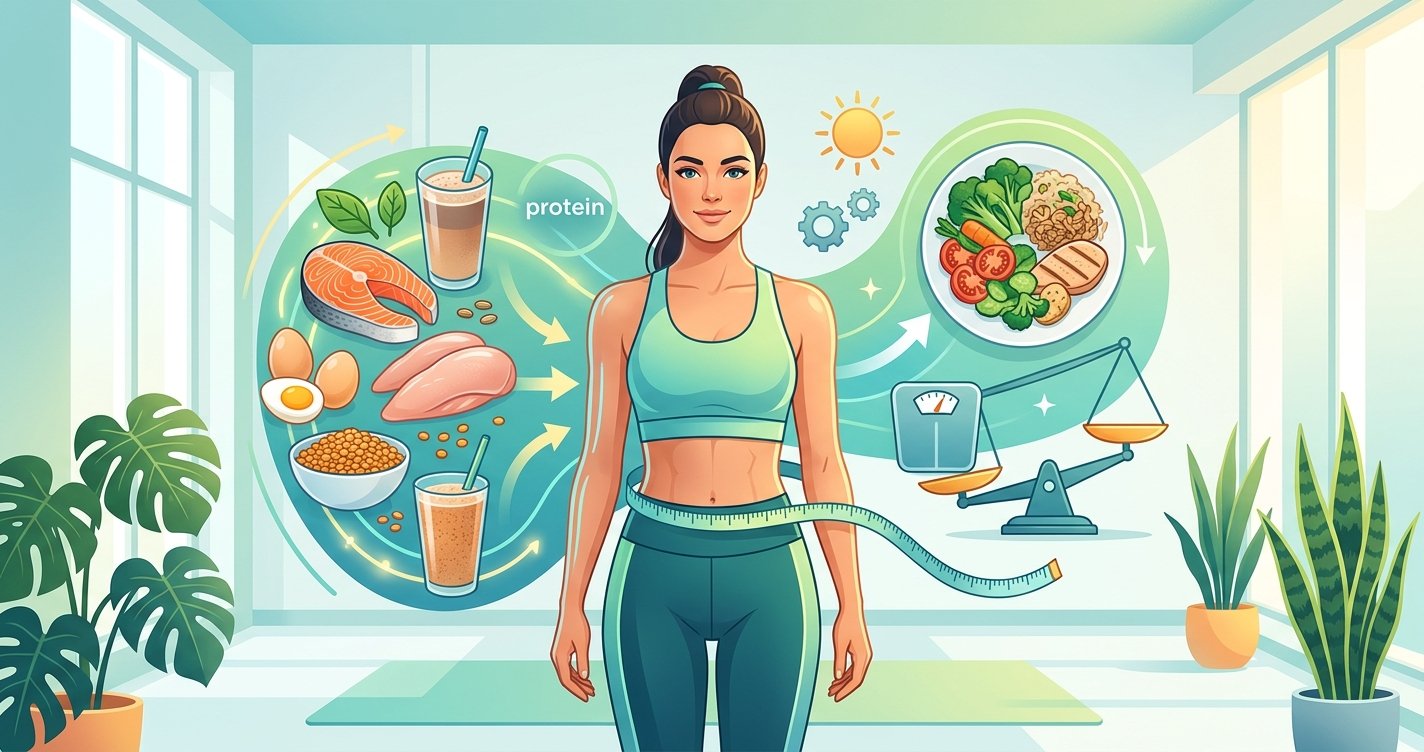
Are you tired of the endless cycle of crash diets, quick fixes, and frustrating plateaus when it comes to fat loss? You're not alone. Many people approach fat loss with unsustainable methods, leading to burnout and a lack of lasting results. But what if we told you there's a simpler, more effective, and evidence-based path to achieving your fat loss goals and maintaining them? It all boils down to understanding two fundamental pillars: a smart calorie deficit and the incredible power of protein.
Forget starvation and deprivation. This guide will help you understand how to harness these two principles to not only shed unwanted fat but also build a healthier, stronger you. Let's dive into the science-backed strategies that will truly transform your body and your relationship with food. this excellent wellness product
The Foundation of Fat Loss: Understanding the Calorie Deficit
Let's get straight to the undeniable truth: for fat loss to occur, you must consume fewer calories than your body expends. This is known as a calorie deficit, and it's the non-negotiable bedrock of any successful fat loss journey. Think of your body as a car and calories as fuel. If you put in less fuel than you burn, your body will start tapping into its stored fuel reserves – which, in this case, is body fat.
But a calorie deficit doesn't mean extreme deprivation. In fact, a severe deficit can be counterproductive, leading to muscle loss, nutrient deficiencies, and a plummeting metabolism. The key is a smart and sustainable deficit. We recommend aiming for a deficit of around 300-500 calories per day below your Total Daily Energy Expenditure (TDEE). You can estimate your TDEE using various online calculators, which factor in your age, weight, height, gender, and activity level.
- Small, consistent deficit: A moderate deficit is easier to maintain long-term and minimizes negative side effects.
- Focus on quality: Even in a deficit, prioritize nutrient-dense foods to ensure your body gets the vitamins and minerals it needs.
- Patience is key: Sustainable fat loss is a marathon, not a sprint. Expect to lose 1-2 pounds per week for healthy, lasting results.
Why Protein is Your Fat Loss MVP (Most Valuable Player)
While a calorie deficit is essential, protein is the secret weapon that makes that deficit effective and sustainable. It's not just for bodybuilders; protein plays a critical role in fat loss for everyone. Here’s why it’s your best friend:
Protein and Satiety: Feeling Full, Longer
One of the biggest challenges in a calorie deficit is hunger. This is where protein shines! Protein is the most satiating macronutrient, meaning it helps you feel fuller for longer compared to carbohydrates or fats. When you incorporate ample protein into your meals, you're less likely to experience intense cravings or overeat, making adherence to your calorie goal significantly easier.
Muscle Preservation: Protecting Your Metabolism
When you're in a calorie deficit, your body can sometimes break down muscle tissue for energy, not just fat. This is detrimental because muscle is metabolically active – it burns more calories at rest than fat does. Losing muscle means your metabolism slows down, making future fat loss harder and increasing the risk of weight regain. A high protein intake, especially when combined with strength training, signals to your body to preserve muscle mass while primarily burning fat for energy.
The Thermic Effect of Food (TEF): Burning More Calories Just by Eating
Did you know your body burns calories just to digest and process the food you eat? This is called the Thermic Effect of Food (TEF). Protein has the highest TEF of all macronutrients. Approximately 20-30% of the calories from protein are expended during digestion, compared to 5-10% for carbohydrates and 0-3% for fats. This means that by choosing protein-rich foods, you're essentially burning more calories passively, giving you a slight metabolic advantage in your fat loss journey.
How Much Protein Do You Really Need for Fat Loss?
The general recommendation for a sedentary adult is around 0.8 grams of protein per kilogram of body weight. However, for active individuals or those aiming for fat loss, these recommendations increase significantly to optimize muscle preservation and satiety.
For optimal fat loss and muscle retention, research suggests aiming for:1.6 to 2.2 grams of protein per kilogram of body weight per day.
For example, if you weigh 70 kg (approximately 154 lbs), you would aim for roughly 112-154 grams of protein daily. It might sound like a lot, but it’s entirely achievable with smart food choices.
Practical Strategies for Upping Your Protein Intake
Incorporating more protein into your diet doesn't have to be complicated. Here are some simple, actionable tips:
- Start with Protein at Breakfast: Swap sugary cereals for eggs, Greek yogurt, cottage cheese, or a protein smoothie.
- Include Protein in Every Meal: Make lean protein the centerpiece of your lunch and dinner. Think chicken breast, fish, lean beef, turkey, tofu, or lentils.
- Smart Snacking: Instead of chips or cookies, opt for protein-rich snacks like a handful of almonds, a hard-boiled egg, string cheese, or a protein bar.
- Utilize Protein Powder: A convenient way to boost your intake, especially post-workout or as part of a smoothie.
- Legumes and Beans: Excellent plant-based protein sources that also provide fiber.
- Plan Ahead: Meal prepping ensures you always have high-protein options readily available.
Combining Protein & Calorie Deficit for Optimal Results
The magic truly happens when you combine these two principles. By creating a moderate calorie deficit and prioritizing protein, you're setting your body up for:
- Maximized Fat Loss: Your body is forced to tap into fat stores for energy.
- Minimized Muscle Loss: High protein intake and strength training help preserve precious muscle mass.
- Greater Satiety: You feel full and satisfied, making adherence to your deficit much easier.
- Metabolic Advantage: Protein's high TEF gives you a slight boost in calorie expenditure.
Remember to fill the rest of your calories with a balance of complex carbohydrates (for energy and fiber) and healthy fats (for hormone production and nutrient absorption). Focus on whole, unprocessed foods as much as possible, as they provide essential micronutrients and fiber, further enhancing satiety and overall health.
Beyond Diet: Lifestyle Factors Supporting Sustainable Fat Loss
While nutrition is paramount, a holistic approach to fat loss includes other vital lifestyle elements:
- Strength Training: Lifting weights is crucial for building and preserving muscle, which boosts your metabolism. Aim for 2-4 sessions per week.
- Adequate Sleep: Poor sleep disrupts hunger hormones (ghrelin and leptin) and increases cravings, making fat loss harder. Aim for 7-9 hours per night.
- Stress Management: Chronic stress can elevate cortisol levels, which can promote fat storage, especially around the midsection. Find healthy ways to manage stress, like meditation, yoga, or hobbies.
- Hydration: Drinking enough water can help with satiety and overall metabolic function.
Embrace the Journey: Your Path to Sustainable Fat Loss
Sustainable fat loss isn't about deprivation; it's about smart, evidence-based choices that empower you to feel your best. By understanding and consistently applying the principles of a moderate calorie deficit and prioritizing protein, you're not just losing weight – you're building a healthier, stronger, and more resilient body. This approach fosters a positive relationship with food, where you nourish your body strategically, rather than constantly fighting it.
Start small, be consistent, and listen to your body. Embrace this journey with patience and self-compassion, and you’ll discover that sustainable fat loss is not just achievable, but incredibly rewarding. Your future self will thank you!