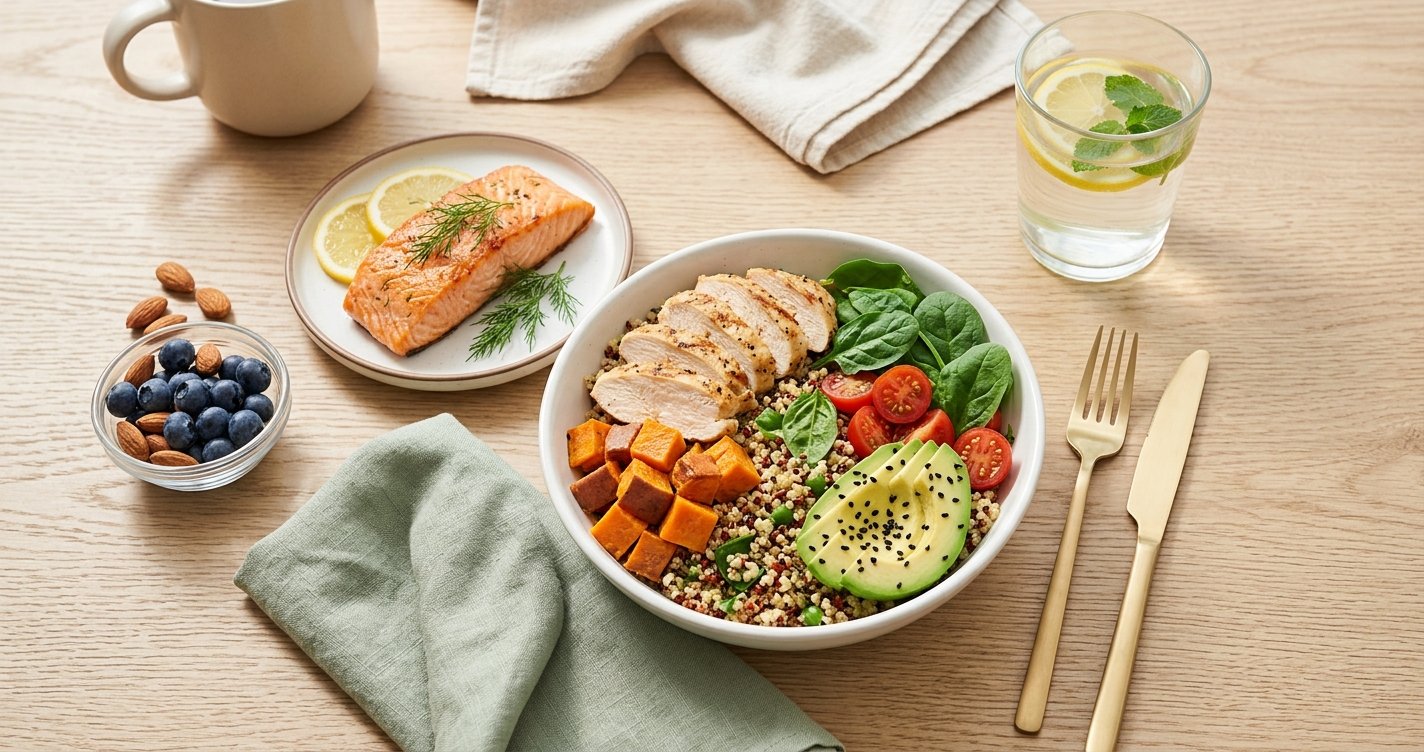
In a world saturated with quick-fix diets and restrictive eating plans, finding a sustainable path to fat loss can feel like navigating a maze. You've probably tried a few, maybe even seen some initial results, only to find yourself back where you started, feeling frustrated and defeated. But what if we told you there's a simpler, more effective, and far more enjoyable way to achieve lasting fat loss? It’s not about deprivation; it’s about smart nutrition, focusing on two powerful allies: protein and whole foods.
This isn't another fad diet. This is an evidence-based approach designed to nourish your body, keep you feeling satisfied, and support your metabolism for long-term success. Ready to ditch the diet mentality and embrace a lifestyle that truly works? this excellent wellness product
The Fat Loss Equation: Beyond Calories In, Calories Out
While the basic principle of fat loss does involve consuming fewer calories than you burn, this oversimplified view often overlooks crucial elements that dictate how your body uses those calories. Not all calories are created equal, and focusing solely on a number can lead to nutrient deficiencies, intense hunger, and a stalled metabolism.
Why Sustainable Fat Loss Matters
True success isn't just about the number on the scale; it's about building habits you can maintain for life. Sustainable fat loss prioritizes your health, energy levels, and overall well-being, ensuring you don't just lose weight, but keep it off while feeling your best.
The Pitfalls of Restrictive Diets
Extreme calorie restriction, cutting out entire food groups, or relying on processed diet foods often leads to a cycle of loss and regain. These diets are hard to stick to, can slow your metabolism, and often result in rebound weight gain once you return to normal eating patterns. It's time for a different approach.
Protein: Your Unsung Hero for Fat Loss
If there's one macronutrient that deserves a spotlight in your fat loss journey, it's protein. This powerhouse nutrient offers multiple benefits that directly support your goals.
The Thermic Effect of Food (TEF) and Protein
Did you know your body burns calories just to digest and metabolize the food you eat? This is known as the Thermic Effect of Food (TEF). Protein has the highest TEF of all macronutrients, meaning your body expends more energy processing protein than it does carbs or fats. This gives you a slight metabolic advantage, helping you burn more calories passively throughout the day.
Satiety and Hunger Control
One of protein's greatest strengths is its ability to keep you feeling full and satisfied. High-protein meals reduce ghrelin (the hunger hormone) and increase peptide YY (a satiety hormone), helping you naturally eat less without feeling deprived. This means fewer cravings, less mindless snacking, and better adherence to your calorie goals.
Preserving Muscle Mass During Fat Loss
When you lose weight, you want to lose fat, not muscle. Muscle is metabolically active tissue, meaning it burns more calories at rest than fat does. Consuming adequate protein during a calorie deficit is crucial for preserving lean muscle mass, which in turn helps maintain a healthy metabolism and a toned physique.
How Much Protein Do You Really Need?
While individual needs vary, a general guideline for fat loss is to aim for 0.7 to 1 gram of protein per pound of desired body weight (or 1.6 to 2.2 grams per kilogram). For example, a person aiming for 150 lbs would target 105-150 grams of protein daily. Spreading this intake across multiple meals and snacks throughout the day is ideal.
Top Protein Sources to Include in Your Diet
- Lean Meats: Chicken breast, turkey, lean beef, pork loin
- Fish & Seafood: Salmon, tuna, cod, shrimp
- Eggs: Whole eggs are packed with nutrients
- Dairy: Greek yogurt, cottage cheese, milk
- Legumes: Lentils, beans, chickpeas (also great fiber!)
- Plant-Based: Tofu, tempeh, edamame, protein powder (whey, casein, plant-based)
Whole Foods: Nature's Blueprint for Better Health & Fat Loss
Beyond protein, the quality of your carbohydrates and fats significantly impacts your fat loss journey. This is where whole foods come into play – foods that are minimally processed and as close to their natural state as possible.
Fiber Power: Satiety and Gut Health
Whole foods, especially fruits, vegetables, and whole grains, are rich in dietary fiber. Fiber adds bulk to your meals, promoting a feeling of fullness and aiding digestion. It also helps stabilize blood sugar levels, preventing energy crashes and subsequent cravings. Furthermore, fiber is essential for a healthy gut microbiome, which is increasingly linked to weight management and overall health.
Nutrient Density: Fueling Your Body, Not Just Filling It
When you choose whole foods, you're getting a powerful package of vitamins, minerals, and antioxidants along with your calories. These nutrients are vital for countless bodily functions, including metabolism, energy production, and hormone balance. Eating nutrient-dense foods ensures your body is well-fueled, reducing the likelihood of nutrient deficiencies that can slow down your progress.
Avoiding Processed Pitfalls: The Hidden Dangers
Processed foods often contain hidden sugars, unhealthy fats, and artificial ingredients that can sabotage your fat loss efforts. They are typically low in nutrients and fiber, leading to quick spikes in blood sugar, energy crashes, and increased hunger shortly after eating. By prioritizing whole foods, you naturally reduce your intake of these detrimental components.
Putting It All Together: Practical Strategies for Success
Now that you understand the 'why,' let's dive into the 'how' of incorporating protein and whole foods into your daily life.
Meal Planning for Protein & Whole Foods
Planning is key! Dedicate some time each week to plan your meals and snacks. Aim to include a lean protein source and plenty of vegetables at every main meal. For example:
- Breakfast: Scrambled eggs with spinach and whole-wheat toast, or Greek yogurt with berries and a sprinkle of nuts.
- Lunch: Large salad with grilled chicken or chickpeas, or a lentil soup with a side of whole-grain bread.
- Dinner: Baked salmon with roasted sweet potatoes and broccoli, or turkey stir-fry with brown rice and mixed vegetables.
Smart Snacking Choices
When hunger strikes between meals, reach for snacks that combine protein and fiber to keep you full and satisfied. Think apple slices with peanut butter, a handful of almonds, cottage cheese with fruit, or a hard-boiled egg.
Hydration: An Often-Overlooked Component
Don't forget water! Staying well-hydrated is crucial for metabolism, satiety, and overall health. Sometimes, thirst can be mistaken for hunger, so sip water throughout the day.
Listen to Your Body: Mindful Eating
Pay attention to your hunger and fullness cues. Eat slowly, savor your food, and stop when you feel comfortably full, not stuffed. Mindful eating helps you connect with your body and make better food choices naturally.
Beyond the Plate: Lifestyle Factors That Support Fat Loss
While nutrition is paramount, a holistic approach to fat loss also considers other vital lifestyle components.
The Role of Sleep
Poor sleep can disrupt hunger-regulating hormones (ghrelin and leptin), leading to increased cravings and a greater likelihood of overeating. Aim for 7-9 hours of quality sleep per night.
Managing Stress
Chronic stress elevates cortisol, a hormone that can promote fat storage, especially around the midsection. Incorporate stress-reducing activities like meditation, yoga, or spending time in nature.
Incorporating Movement
While you can't out-exercise a bad diet, regular physical activity complements your nutritional efforts. A combination of strength training (to build and preserve muscle) and cardiovascular exercise (for calorie burning and heart health) is ideal.
Your Journey to Lasting Fat Loss Starts Now
Achieving sustainable fat loss isn't about perfection; it's about progress, consistency, and making informed choices that nourish your body and mind. By prioritizing protein and whole foods, you're not just cutting calories; you're building a foundation for a healthier, more vibrant you.
Embrace the Process
Understand that this is a journey, not a race. There will be good days and challenging days, and that's perfectly normal. Celebrate your small victories and learn from setbacks without judgment.
Be Patient and Consistent
Sustainable results take time. Focus on building consistent habits rather than chasing rapid weight loss. Trust the process, and your body will respond.
Ready to transform your relationship with food and unlock lasting fat loss? Start by making one small, positive change today. Add an extra serving of protein, swap a processed snack for a piece of fruit, or plan one whole-food meal. Your journey to a healthier, happier you begins now!