Are you tired of the endless cycle of crash diets, restrictive eating, and frustrating plateaus? You're not alone. Many people embark on a fat loss journey with the best intentions, only to find themselves burnt out, hungry, and ultimately, back where they started. The truth is, sustainable fat loss isn't about deprivation; it's about smart, strategic nutrition that fuels your body, keeps you satisfied, and supports your metabolism.
Today, we're going to dive deep into two of the most powerful allies in your fat loss arsenal: protein and whole foods. Forget the fads and quick fixes; embracing these nutritional pillars will not only help you shed unwanted fat but also improve your overall health, energy levels, and relationship with food for the long haul. Let's uncover how to eat your way to a leaner, healthier you, without feeling deprived. this excellent wellness product
Why Traditional Diets Often Miss the Mark
Before we explore the solution, let's understand why so many conventional diets fail. Most crash diets focus on extreme calorie restriction, often cutting out entire food groups or relying heavily on highly processed 'diet' foods. While they might deliver rapid initial weight loss, this approach is rarely sustainable. Why?
- Nutrient Deficiencies: Restrictive diets can lead to a lack of essential vitamins, minerals, and macronutrients, impacting energy, mood, and metabolism.
- Muscle Loss: Without adequate protein and resistance, severe calorie deficits can lead to significant muscle loss, which is counterproductive for fat loss as muscle burns more calories at rest.
- Metabolic Slowdown: Your body is smart. When faced with extreme calorie restriction, it adapts by slowing down your metabolism to conserve energy, making further fat loss harder.
- Rebound Weight Gain: The unsustainability of these diets often leads to a return to old eating habits, and frequently, a regain of lost weight, sometimes even more.
Our focus needs to shift from temporary fixes to building sustainable habits that nourish our bodies and support long-term health and fat loss.
The Undeniable Power of Protein for Fat Loss
If there's one macronutrient that deserves a spotlight in your fat loss journey, it's protein. Protein is a powerhouse for several reasons:
1. Superior Satiety: Keep Hunger at Bay
Protein is incredibly satiating, meaning it helps you feel fuller for longer. When you consume protein, it triggers the release of hormones like GLP-1 and PYY, which signal fullness to your brain. This natural appetite suppression means you're less likely to overeat at subsequent meals or reach for unhealthy snacks, making adherence to a calorie deficit much easier. Studies consistently show that higher protein diets lead to greater reductions in appetite and calorie intake compared to lower protein diets.
2. The Thermic Effect of Food (TEF): Burn More Calories Digesting
Your body expends energy just to digest, absorb, and metabolize the food you eat. This is known as the Thermic Effect of Food (TEF). Protein has the highest TEF of all macronutrients, meaning it requires significantly more energy to process compared to carbohydrates or fats. While the exact numbers vary, roughly 20-30% of the calories from protein are burned during digestion, compared to 5-10% for carbs and 0-3% for fats. This 'metabolic boost' can add up over time, contributing to your overall calorie deficit.
3. Muscle Preservation: Protect Your Metabolism
When you're in a calorie deficit, your body can break down both fat and muscle for energy. Losing muscle is detrimental for fat loss because muscle tissue is metabolically active, burning more calories at rest than fat tissue. A higher protein intake, especially when combined with strength training, helps preserve lean muscle mass during weight loss. This ensures that the weight you lose is primarily fat, keeping your metabolism revving and your body composition improving.
4. Stabilizing Blood Sugar: Avoiding Cravings
Protein helps slow down the absorption of carbohydrates, leading to a more gradual rise in blood sugar. Stable blood sugar levels prevent energy crashes and intense cravings that often derail fat loss efforts. By incorporating protein into every meal, you create a more balanced energy release, keeping you feeling steady and focused.
Best Protein Sources for Fat Loss
- Lean Meats: Chicken breast, turkey, lean beef, pork tenderloin.
- Fish & Seafood: Salmon, tuna, cod, shrimp (rich in omega-3s too!).
- Eggs: A complete protein source, versatile and affordable.
- Dairy: Greek yogurt, cottage cheese, milk (opt for lower-fat versions).
- Legumes: Lentils, beans, chickpeas (also packed with fiber).
- Plant-Based Proteins: Tofu, tempeh, edamame, protein powders (whey, casein, soy, pea).
Embracing Whole Foods: Your Body's Best Fuel
While protein is crucial, it's just one piece of the puzzle. The quality of your overall diet matters immensely, and that's where whole foods come in. Whole foods are foods that are unprocessed or minimally processed, free from added sugars, unhealthy fats, artificial ingredients, and excessive sodium. Think fruits, vegetables, whole grains, nuts, seeds, and lean proteins in their natural state.
1. Fiber Power: The Unsung Hero of Satiety and Gut Health
Whole foods, especially fruits, vegetables, and whole grains, are rich in dietary fiber. Fiber adds bulk to your meals without adding many calories, helping you feel full and satisfied. It also slows digestion, contributing to stable blood sugar levels and preventing energy crashes. Beyond satiety, fiber is vital for gut health, feeding beneficial gut bacteria and promoting regular digestion – both important for overall well-being and a healthy metabolism.
2. Nutrient Density: Fueling Your Body, Not Just Filling It
Processed foods often provide 'empty calories' – lots of calories with little nutritional value. Whole foods, on the other hand, are nutrient-dense. They're packed with vitamins, minerals, antioxidants, and phytochemicals that support every bodily function, from metabolism and hormone regulation to immune health and energy production. When your body receives the nutrients it needs, it functions optimally, making fat loss more efficient and sustainable.
3. Lower Calorie Density: Eat More, Weigh Less
Many whole foods, particularly fruits and vegetables, have a high water and fiber content, making them low in calorie density. This means you can eat a larger volume of food, feel more satisfied, and still consume fewer calories overall. Imagine a large bowl of leafy greens and colorful vegetables compared to a small handful of potato chips – the visual and physical satisfaction is incomparable.
4. Avoiding Harmful Additives: Protecting Your Health
By choosing whole foods, you naturally avoid the hidden sugars, unhealthy trans fats, excessive sodium, and artificial ingredients common in processed foods. These additives can contribute to inflammation, disrupt hormone balance, promote cravings, and ultimately hinder your fat loss progress and long-term health.
Making Smart Whole Food Choices
- Fruits: Berries, apples, bananas, oranges, pears.
- Vegetables: Spinach, broccoli, kale, bell peppers, carrots, sweet potatoes.
- Whole Grains: Oats, quinoa, brown rice, whole-wheat bread/pasta (in moderation).
- Healthy Fats: Avocados, nuts (almonds, walnuts), seeds (chia, flax), olive oil.
Synergistic Effect: Protein + Whole Foods = Fat Loss Gold
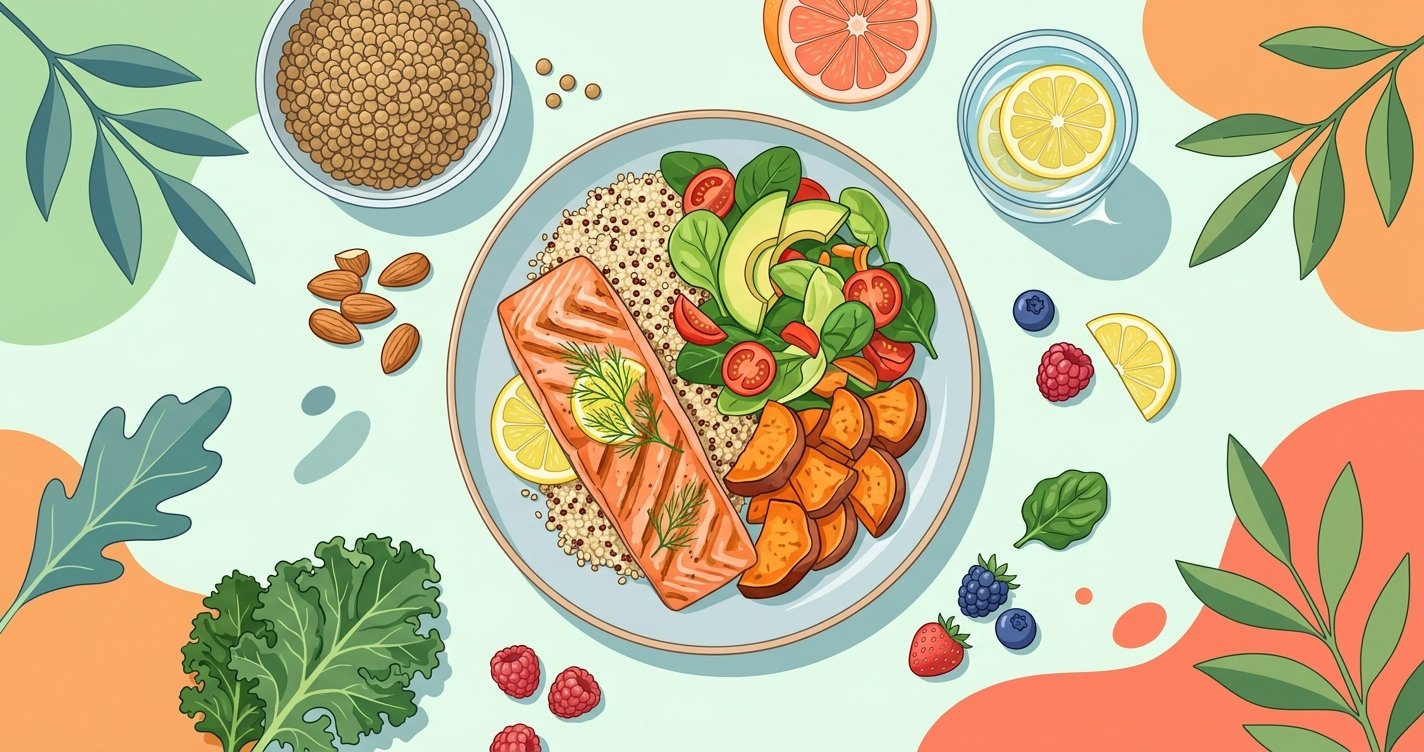
The magic truly happens when you combine protein and whole foods. Each enhances the benefits of the other, creating a powerful, sustainable approach to fat loss. Imagine a meal consisting of grilled salmon (protein) with a large serving of roasted broccoli and quinoa (whole foods). This meal is:
- Highly Satiating: The protein and fiber keep you full for hours.
- Nutrient-Rich: Packed with vitamins, minerals, and healthy fats.
- Metabolically Active: The protein boosts TEF, and the overall nutrients support metabolic function.
- Blood Sugar Stabilizing: Prevents energy crashes and cravings.
This combination strategy makes it easier to naturally create a calorie deficit without feeling hungry or deprived. It's about optimizing your nutrition, not just restricting calories.
Practical Strategies for Integrating Protein & Whole Foods
Ready to put this knowledge into action? Here are some practical tips to make protein and whole foods a cornerstone of your diet:
1. Prioritize Protein at Every Meal
Aim for at least 20-30 grams of protein at breakfast, lunch, and dinner. This could look like eggs and Greek yogurt for breakfast, chicken salad for lunch, and fish with vegetables for dinner. Don't forget protein-rich snacks like cottage cheese or a handful of almonds.
2. Fill Half Your Plate with Vegetables
At every main meal, make vegetables the star. They add volume, fiber, and nutrients with minimal calories. Experiment with different cooking methods – roasting, steaming, grilling – to keep things interesting.
3. Smart Snacking
If you need a snack, choose options that combine protein and fiber. Think apple slices with a tablespoon of nut butter, a hard-boiled egg with some baby carrots, or a small bowl of Greek yogurt with berries.
4. Plan Ahead and Meal Prep
Failing to plan is planning to fail. Dedicate some time each week to plan your meals and snacks. Cook in batches – grill extra chicken, roast a large tray of vegetables, or prepare a big batch of quinoa. This ensures you always have healthy options readily available when hunger strikes.
5. Stay Hydrated
Often, thirst can be mistaken for hunger. Make sure you're drinking plenty of water throughout the day. Water also aids in digestion and can help you feel fuller.
6. Embrace Mindful Eating
Slow down and savor your meals. Pay attention to your body's hunger and fullness cues. Eating mindfully helps you appreciate your food and recognize when you've had enough, preventing overeating.
Beyond the Plate: Lifestyle Factors Supporting Your Journey
While nutrition is paramount, remember that sustainable fat loss is also supported by other healthy lifestyle habits:
- Adequate Sleep: Poor sleep can disrupt hunger hormones (ghrelin and leptin) and increase cravings. Aim for 7-9 hours of quality sleep per night.
- Stress Management: Chronic stress can elevate cortisol, a hormone linked to increased fat storage, especially around the belly. Find healthy ways to manage stress, such as meditation, yoga, or spending time in nature.
- Regular Movement: Incorporate a mix of strength training (to build and preserve muscle) and cardiovascular exercise (for heart health and calorie expenditure) into your routine.
Your Sustainable Path to a Healthier You
The journey to sustainable fat loss doesn't have to be a battle against your body. By focusing on the incredible power of protein and nutrient-dense whole foods, you can create a dietary approach that is satisfying, energizing, and effective. You'll not only shed unwanted fat but also cultivate a healthier relationship with food, improve your overall well-being, and enjoy lasting results.
Remember, consistency trumps perfection. Start small, make gradual changes, and celebrate every step forward. Your body will thank you for nourishing it with the fuel it truly deserves.