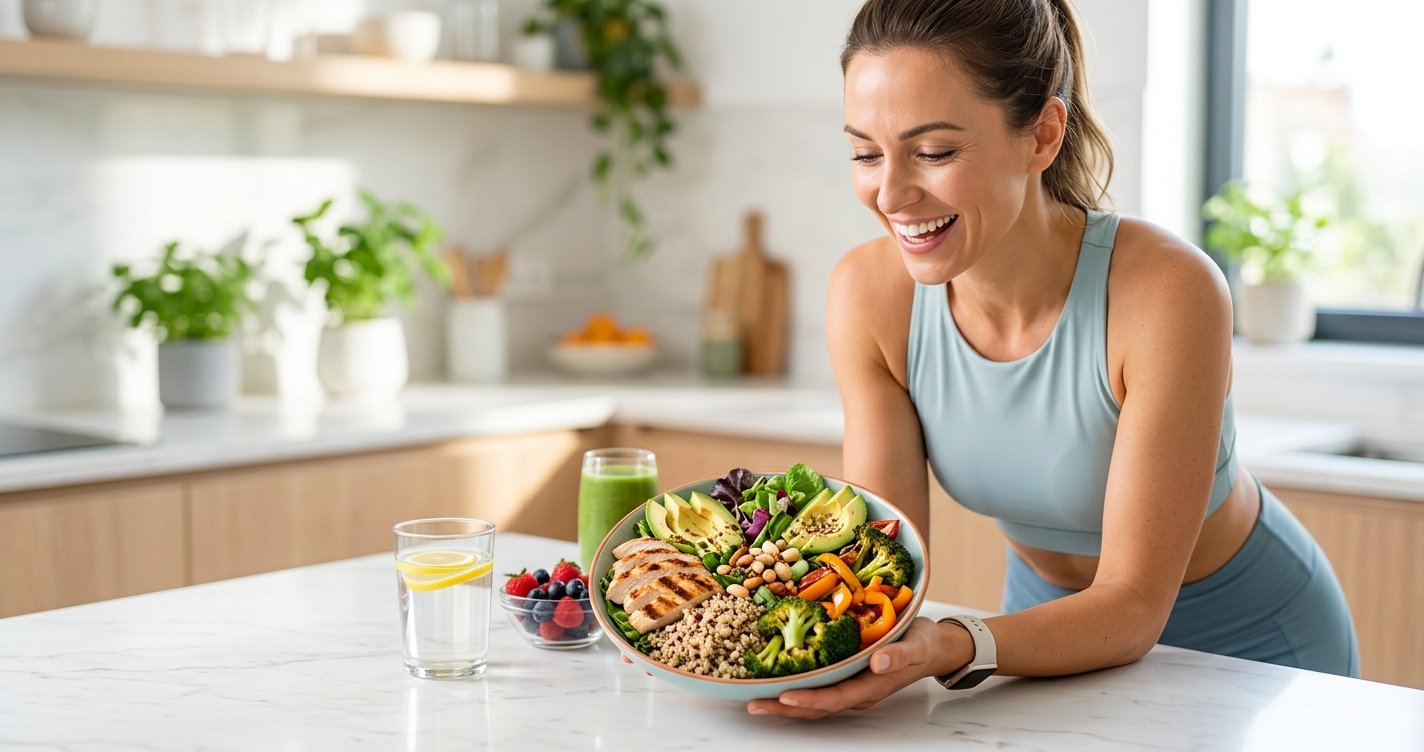
Unlock Sustainable Fat Loss: The Dynamic Duo of Protein and Fiber
Are you tired of the endless cycle of restrictive diets, quick fixes, and disappointing results when it comes to fat loss? You're not alone. Many people embark on a fat loss journey feeling overwhelmed, confused, and ultimately, defeated. But what if we told you that achieving sustainable fat loss doesn't have to be about deprivation, but rather about smart, strategic nutrition choices that empower your body?
The secret isn't in a magic pill or a celebrity fad diet. It lies in understanding and leveraging the power of two often-underestimated nutrients: protein and fiber. These two powerhouses, when integrated effectively into your daily eating habits, can transform your approach to fat loss, making it more manageable, enjoyable, and most importantly, sustainable. Let's dive into how these two heroes can revolutionize your journey. this excellent wellness product
Why Traditional Diets Often Fail (and What Works Better)
Many conventional fat loss diets focus heavily on extreme calorie restriction, cutting out entire food groups, or relying on willpower alone. While these methods might yield rapid initial weight loss, they are rarely sustainable. The body often responds with increased hunger, cravings, and a slowed metabolism, making adherence incredibly difficult and rebound weight gain almost inevitable.
The Problem with Calorie Restriction Alone
Focusing solely on calories without considering nutrient quality can leave you feeling hungry, depleted, and unsatisfied. Imagine eating 1500 calories of processed snacks versus 1500 calories of lean protein, colorful vegetables, and whole grains. The calorie count might be similar, but your body's response – in terms of satiety, energy, and overall health – will be vastly different. Sustainable fat loss isn't just about eating less; it's about eating smarter.
The Powerhouse Nutrient: Protein for Fat Loss
Protein is much more than just a muscle builder. It's a cornerstone of effective fat loss, playing multiple critical roles that support your body's ability to shed unwanted fat while preserving valuable muscle mass.
Satiety & Appetite Control
One of protein's most significant benefits for fat loss is its incredible ability to keep you feeling full and satisfied for longer. Compared to carbohydrates and fats, protein has a higher satiety index, meaning it reduces hunger signals and helps curb cravings. When you feel fuller, you're less likely to overeat or snack on unhealthy foods, naturally leading to a calorie deficit.
Muscle Preservation & Metabolism
When you're in a calorie deficit to lose fat, your body can sometimes break down muscle tissue for energy, not just fat. This is detrimental because muscle is metabolically active – it burns more calories at rest than fat does. A higher protein intake helps to signal your body to preserve precious muscle mass, ensuring that the weight you lose is primarily fat, not muscle. This, in turn, helps maintain a healthy metabolism, making long-term fat loss more achievable.
Thermic Effect of Food (TEF)
Did you know that your body expends energy just to digest and metabolize the food you eat? This is called the Thermic Effect of Food (TEF). Protein has the highest TEF among all macronutrients, meaning a significant portion of its calories are burned off during digestion. While not a massive calorie burner on its own, this effect contributes to your overall daily energy expenditure, giving you a slight metabolic edge.
How Much Protein Do You Really Need?
For optimal fat loss and muscle preservation, aiming for a higher protein intake is beneficial. General recommendations for active individuals seeking fat loss often range from 1.6 to 2.2 grams of protein per kilogram of body weight per day. Spread your protein intake throughout the day across all your meals and snacks to maximize its benefits.
Top Protein Sources to Include
- Lean Meats: Chicken breast, turkey, lean beef, pork loin.
- Fish & Seafood: Salmon, cod, tuna, shrimp, sardines.
- Eggs: Whole eggs are incredibly versatile and nutritious.
- Dairy: Greek yogurt, cottage cheese, milk, whey protein.
- Legumes: Lentils, black beans, chickpeas (great for plant-based options).
- Plant-Based: Tofu, tempeh, edamame, seitan, protein powders (soy, pea, hemp).
The Unsung Hero: Fiber for Fat Loss
Often overshadowed by protein, fiber is another non-negotiable nutrient for sustainable fat loss. It's the unsung hero that supports digestive health, blood sugar control, and overall satiety.
Fullness Factor & Digestive Health
Like protein, fiber contributes significantly to feelings of fullness. Soluble fiber forms a gel-like substance in your digestive tract, slowing down digestion and nutrient absorption, which helps you feel satisfied for longer. Insoluble fiber adds bulk to your stool, promoting regular bowel movements and overall digestive health, which is crucial for nutrient absorption and waste elimination.
Blood Sugar Regulation
Fiber, especially soluble fiber, plays a vital role in stabilizing blood sugar levels. By slowing the absorption of sugar into your bloodstream, it prevents rapid spikes and crashes that often lead to energy dips and intense cravings for sugary, high-calorie foods. Stable blood sugar means more consistent energy and fewer impulsive eating decisions.
Gut Microbiome Support
Your gut is home to trillions of bacteria, collectively known as the gut microbiome. A healthy and diverse gut microbiome is increasingly linked to better metabolic health and even fat loss. Fiber acts as a prebiotic, feeding these beneficial gut bacteria, which then produce short-chain fatty acids with various health benefits, including potentially influencing metabolism and satiety.
How Much Fiber Should You Aim For?
Most adults in Western countries consume far less fiber than recommended. Aim for 25-38 grams of fiber per day, with women generally aiming for the lower end and men the higher. Gradually increase your fiber intake to allow your digestive system to adapt.
Excellent Sources of Fiber
- Fruits: Berries, apples, pears, oranges, bananas.
- Vegetables: Broccoli, spinach, carrots, Brussels sprouts, kale, sweet potatoes.
- Whole Grains: Oats, quinoa, brown rice, whole-wheat bread and pasta.
- Legumes: Lentils, beans, chickpeas.
- Nuts & Seeds: Almonds, chia seeds, flax seeds, sunflower seeds.
Synergistic Success: Protein + Fiber Together
While protein and fiber are powerful on their own, their combined effect is truly remarkable. When you pair them together, you create meals that are incredibly satisfying, nutrient-dense, and highly effective for fat loss. They work in harmony to control hunger, stabilize blood sugar, preserve muscle, and support a healthy metabolism.
Crafting Fat-Loss Friendly Meals
Think about building your meals around a lean protein source and plenty of fiber-rich vegetables, fruits, or whole grains. This simple strategy ensures you're getting the most bang for your nutritional buck:
- Breakfast: Greek yogurt with berries and a sprinkle of chia seeds, or scrambled eggs with spinach and whole-wheat toast.
- Lunch: Large salad with grilled chicken or chickpeas, loaded with various vegetables.
- Dinner: Baked salmon with roasted broccoli and quinoa, or a lentil and vegetable curry.
- Snacks: Apple slices with almond butter, a handful of nuts, or cottage cheese with bell pepper strips.
Beyond Protein & Fiber: A Holistic Approach
While protein and fiber are foundational, sustainable fat loss is part of a larger, holistic lifestyle. Remember to also prioritize:
- Hydration: Drink plenty of water throughout the day.
- Sleep: Aim for 7-9 hours of quality sleep; poor sleep can disrupt hormones that regulate hunger and fat storage.
- Stress Management: Chronic stress can lead to increased cortisol, which can hinder fat loss.
- Consistent Movement: Incorporate regular physical activity, including both strength training and cardiovascular exercise, to build muscle and burn calories.
- Mindful Eating: Pay attention to your body's hunger and fullness cues, and savor your meals.
Your Journey Starts Now: Actionable Steps
Don't try to overhaul everything at once. Small, consistent changes lead to lasting results. Here are some simple steps to get started:
- Prioritize Protein: Aim to include a lean protein source with every meal and most snacks.
- Boost Your Fiber: Add an extra serving of vegetables to dinner, choose whole grains over refined, and snack on fruits.
- Read Labels: Become aware of the protein and fiber content in your foods.
- Plan Ahead: Meal prepping or planning your meals can help ensure you have protein and fiber-rich options readily available.
Conclusion
Sustainable fat loss isn't about chasing fleeting trends; it's about building a foundation of smart, evidence-based nutrition. By harnessing the incredible power of protein and fiber, you're not just eating for weight loss – you're eating for satiety, energy, muscle preservation, and overall health. Embrace this dynamic duo, combine it with healthy lifestyle habits, and watch as you transform your body and your relationship with food, for good. Your journey to a leaner, healthier, and more vibrant you starts with these powerful choices. You've got this!